
When asking a vet nutritionist about homemade diets, you should focus on the specific nutrients your pet needs based on their age, breed, and health. Inquire about safe ingredients, appropriate portion sizes, and whether supplements are necessary. Also, ask how to shift gradually from commercial to homemade food and how to monitor your pet’s response. Continuing with these questions will help you create a safe, balanced diet that supports your pet’s long-term health.
Key Takeaways
- Ask about specific nutrient requirements based on your pet’s age, breed, and health conditions.
- Inquire which ingredients are safe and appropriate for homemade meals, avoiding toxins.
- Seek guidance on proper portion sizes, feeding schedules, and how to balance meals nutritionally.
- Discuss the need for supplements or vitamins to ensure a complete and balanced diet.
- Request advice on monitoring your pet’s health and when to revisit dietary plans with your vet.

Homemade diets have gained popularity as people seek more control over what they eat and how it affects their health. This trend extends to pet nutrition, where many pet owners are now preparing meals for their animals instead of relying solely on commercial options. While this approach can ensure you know exactly what ingredients your pet consumes, it also requires careful planning to meet their nutritional needs. Before jumping into creating homemade meals, it’s essential to consult a vet nutritionist who can guide you through the process. They can help you understand what nutrients are necessary and how to balance meals properly, ensuring your pet remains healthy and energized.
When you speak with a vet nutritionist, one of the first questions you should ask is about the specific dietary requirements for your pet’s age, breed, and health status. Different dogs and cats have varying needs; puppies and kittens, for example, require more calories and certain nutrients for growth, while senior animals need diets that support joint health and maintain weight. The vet can help you identify any special considerations, such as allergies or medical conditions, that might influence your homemade meal plans. This personalized advice is vital because a one-size-fits-all approach often doesn’t work for homemade diets.
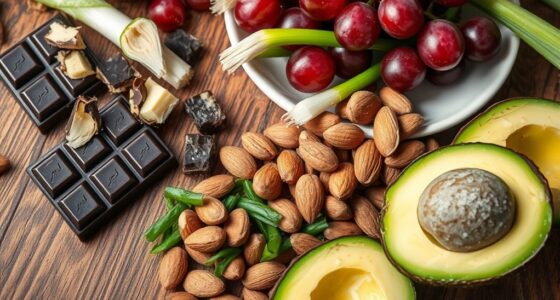
Another important topic to discuss is ingredient selection. Ask your vet nutritionist which proteins, grains, vegetables, and supplements are appropriate for your pet. Not all human foods are safe for animals, and some might be toxic, like onions or certain artificial additives. The vet can recommend safe, nutrient-dense ingredients that you can incorporate into your recipes. You should also inquire about portion sizes and feeding schedules to avoid overfeeding or underfeeding, both of which can cause health issues. Knowing how much to feed and when helps maintain your pet’s ideal weight and prevents nutritional deficiencies.
You’ll want to explore how to create a balanced diet that covers all essential nutrients, including vitamins, minerals, and fatty acids. Ask about supplementing homemade meals with specific vitamins or minerals, especially if certain ingredients lack a particular nutrient. The vet nutritionist can recommend high-quality supplements or commercial products designed for homemade diets. Additionally, it’s wise to ask about phasing your pet gradually from commercial food to homemade meals. Sudden changes can upset their stomach or cause other health problems, so a gradual shift, guided by professional advice, ensures a smooth transition. Incorporating proper diet planning and understanding the importance of balanced nutrition can significantly improve your pet’s overall health.
Ensure your pet’s diet is balanced with essential nutrients and a gradual transition from commercial to homemade food.
Finally, keep the lines of communication open with the vet nutritionist. Ask how often you should revisit your pet’s diet plan and what signs to watch for that might indicate dietary issues. Regular check-ups, lab tests, and monitoring your pet’s weight and energy levels will help you adjust the diet as needed. With expert guidance, you can confidently prepare homemade meals that support your pet’s health and happiness, giving you peace of mind that you’re doing the right thing for their well-being.
Frequently Asked Questions
How Often Should I Update My Pet’s Homemade Diet Plan?
You should update your pet’s homemade diet plan every few months or whenever you notice changes in their health, weight, or activity level. Regular check-ins with your vet nutritionist help guarantee the diet remains balanced and meets your pet’s evolving needs. Keep an eye on their condition and consult your vet if you see any signs of nutritional deficiencies or health issues. Consistent updates support your pet’s overall well-being.
Are Homemade Diets Suitable for All Dog Breeds and Ages?
Homemade diets aren’t suitable for all dog breeds and ages without proper planning. Some breeds or puppies may need specific nutrients that homemade recipes might lack. You should consult a vet nutritionist to tailor a diet that meets your dog’s unique needs. Regular check-ups and adjustments ensure your pet stays healthy, active, and well-nourished at every stage of life. Never assume one-size-fits-all when it comes to your dog’s diet.
What Are Common Nutritional Deficiencies in Homemade Pet Diets?
You should watch out for deficiencies in calcium, zinc, vitamin D, and omega-3 fatty acids, which are common in homemade diets. If you don’t balance ingredients properly, your pet might suffer from bone issues, skin problems, or poor immune function. Always consult a vet nutritionist to ensure your homemade meals meet your pet’s specific nutritional needs, preventing harmful deficiencies and promoting overall health.
How Can I Ensure My Pet’s Homemade Diet Is Balanced?
To guarantee your pet’s homemade diet is balanced, you should consult a veterinary nutritionist for tailored guidance. Follow their recommendations for proper protein, fat, vitamins, and minerals. Use tested recipes or supplement your meals with vet-approved supplements. Regularly monitor your pet’s health, weight, and energy levels, and schedule routine vet check-ups. This approach helps you provide a nutritious, complete diet that supports your pet’s overall well-being.
What Signs Indicate My Pet’s Homemade Diet Isn’t Meeting Their Needs?
If your pet shows signs like lethargy, weight changes, dull coat, or digestive issues, their homemade diet might not be meeting their needs. You’ll notice decreased energy, irregular stool, or skin problems. Keep an eye on their overall behavior and condition. If you see these signs, consult your vet promptly to adjust their diet, ensuring they get proper nutrition for health and vigor.
Conclusion
By consulting a vet nutritionist, you guarantee your furry friend gets a balanced homemade diet tailored to their needs. Did you know that nearly 60% of pet owners who switch to homemade meals report improved energy and coat health? So, before you start whipping up meals, ask your vet about proper nutrition. It’s the best way to keep your pet happy, healthy, and thriving on delicious, homemade food.