
TL;DR

Get pet supplies delivered free with Prime
- Fast, free delivery on millions of items
- Prime Video, Amazon Music and more included
- Member-only deals all year
Dog backpacks for hiking let your dog carry essentials, but fitting and weight limits matter. Choose wisely, train gradually, and prioritize safety for enjoyable outdoor trips.
Imagine your dog trotting ahead, tail wagging, with a tiny pack snugly fitted around its torso. It’s not just adorable—it’s practical. Dog backpacks for hiking turn your furry friend into a helpful partner, sharing the load and making every trek more rewarding. But not all packs are created equal, and choosing the right one can mean the difference between a fun adventure and an uncomfortable ordeal.
Whether you’re planning a weekend mountain hike or a day in the woods, understanding what to look for in a dog backpack will keep your pup safe, comfortable, and eager to join in. Let’s explore how to pick the best pack, what features matter most, and how to train your dog for this new gear.
Measure your dog carefully and choose a pack that fits snugly without restricting movement.
Limit your dog’s load to 10-25% of its body weight to prevent strain.
Use positive reinforcement during training so your dog happily wears the backpack.
Prioritize features like adjustable straps, padding, and reflective elements for safety and comfort.
Start with light loads and short walks, gradually building up to longer hikes.
How to Find the Perfect Fit for Your Dog’s Backpack
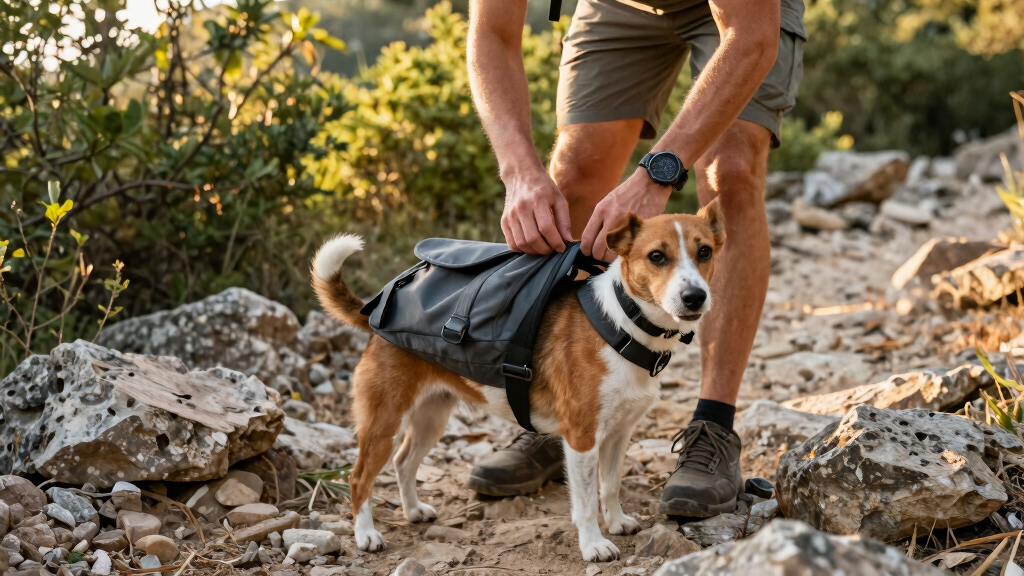
The right fit is crucial because it directly impacts your dog’s comfort, safety, and willingness to wear the pack during extended hikes. A backpack that’s too loose can shift unevenly, causing chafing, rubbing, or even blisters, which can discourage your dog from wearing it in the future. Conversely, a pack that’s too tight may restrict movement, cause discomfort, and even interfere with proper breathing or blood flow. Accurate measurement of your dog’s girth—just behind the front legs—is essential to selecting a pack that fits well. This measurement ensures the pack distributes weight evenly across the chest and shoulders, preventing strain.
Adjustable straps are vital because they allow you to customize the fit as your dog moves or if their body changes slightly over time. Padded harnesses help distribute weight more evenly, reducing pressure points that could lead to soreness or skin irritation. During fitting, observe your dog’s behavior: they should be able to walk, sit, and lie down comfortably with the pack on. Any signs of discomfort—such as dragging ears, stiff gait, or scratching at the straps—indicate the need for a better fit or different pack design.
Pro tip: Always fit the pack before your hike, then do a short indoor or yard walk to see how your dog responds. Gradually increase wearing time to allow your dog to acclimate, which helps prevent anxiety or resistance during actual hikes. Proper fitting is the foundation for safe, comfortable, and enjoyable outdoor adventures with your canine companion.
dog hiking backpack adjustable straps
As an affiliate, we earn on qualifying purchases.
As an affiliate, we earn on qualifying purchases.
Understanding Your Dog’s Load Capacity
Before selecting a backpack, it’s essential to understand how much weight your dog can safely carry. Overloading can cause discomfort, fatigue, or even injury. As a general guideline, a dog should carry no more than 10-25% of its body weight, depending on its size, breed, and health. Smaller or less physically robust dogs need to stay closer to the lower end of this range, while larger, stronger breeds can handle more, provided they are conditioned and healthy.
Assess your dog’s current fitness level and consult with your veterinarian if unsure. Start with a lightweight pack and gradually increase the load as your dog becomes accustomed to wearing it. Pay attention to signs of strain, such as lagging behind, panting excessively, or reluctance to continue. Using a scale to weigh the load and your dog regularly can help you keep the weight within safe limits. Remember, the goal is to enhance the hike, not to overburden your furry friend.
Applying this knowledge ensures your dog’s safety and enjoyment, making hikes more comfortable and avoiding potential health issues caused by improper load management.
Top 5 Features Your Dog’s Hiking Backpack Must Have
| Feature | Why It Matters |
|---|---|
| Adjustable straps | They allow for a precise fit that adapts to your dog’s movements and body changes, which is essential for comfort and safety. Properly adjusted straps prevent chafing and shifting, reducing the risk of injury or discomfort during long hikes. The ability to fine-tune the fit also accommodates different breeds and sizes, making the pack versatile and reliable. |
| Padded harness | This feature helps distribute weight evenly across your dog’s chest and shoulders, minimizing pressure points that could cause soreness or skin irritation. Padded harnesses also enhance comfort, especially during extended periods of wear, and can prevent chafing caused by friction from the pack’s straps, which is crucial for maintaining your dog’s enthusiasm for outdoor adventures. |
| Multiple compartments | Having separate storage spaces allows for organized packing, ensuring essential items like water, waste bags, and snacks are easily accessible without rummaging through a single large pocket. This separation helps distribute weight evenly, preventing unbalanced loads that could cause instability or strain. Additionally, compartmentalization reduces the risk of items shifting and causing discomfort or noise, making hikes more enjoyable for your dog. |
| Reflective elements | Visibility is critical for safety, especially during early morning, late evening, or low-light conditions. Reflective strips or patches on the pack enhance your dog’s visibility to other hikers, cyclists, or vehicles, reducing the risk of accidents. Improved visibility also helps you keep track of your dog in dense woods or when they’re out of sight momentarily, ensuring peace of mind during outdoor adventures. |
| Lightweight, durable fabric | Choosing lightweight materials reduces fatigue, especially during long hikes where every ounce counts. Durability ensures the pack can withstand rugged terrain, scratches from bushes, or accidental drops without tearing or wearing out quickly. A balance between lightweight and sturdy construction maximizes comfort and longevity, enabling your dog to enjoy many adventures without the pack becoming a burden or a point of failure. |
For example, some packs now include a built-in hydration bladder, making it easy for your dog to drink without stopping. Think of it as a mini, rugged backpack that turns your dog into a four-legged ranger.
Frequently Asked Questions
How do I choose the right size for my dog’s backpack?
Measure your dog’s girth—just behind the front legs—and compare it to the sizing chart of the pack. Ensure the pack fits snugly but allows free movement and doesn’t chafe. Adjust straps to customize the fit before heading out.
Can small breeds carry a backpack safely?
Yes, but choose lightweight, specially designed packs for small dogs. Keep the load minimal—no more than 10% of their body weight—and watch for signs of fatigue or discomfort during the hike.
How do I get my dog used to wearing a backpack?
Start indoors with short sessions. Use treats and praise to create positive associations. Gradually increase wear time and distance, always monitoring your dog’s comfort and behavior. Patience is key.
What do I do if my dog shows signs of discomfort?
Remove the pack immediately and check for chafing or tight straps. Give your dog a break, reward calm behavior, and try again later. Never force a dog to wear a pack if they’re resisting—trust their cues.
Are there any breeds that shouldn’t use backpacks?
Breeds prone to joint issues or very young puppies should avoid backpacks unless approved by a vet. Always consider your dog’s health and consult a professional if unsure.
Conclusion
Dog backpacks turn your furry friend into a helpful hiking buddy, sharing the adventure and lightening your load. The key is a proper fit, gradual training, and smart packing. When done right, it’s a win-win—your dog feels useful, and you get to explore more together.
Next time you hit the trail, imagine your dog confidently trotting along with a tiny pack, ready for whatever the wilderness throws at you. It’s not just gear—it’s a bond builder, a confidence booster, and a whole new way to enjoy the outdoors.
Fall Picks
fall essentials
As an affiliate, we earn on qualifying purchases.