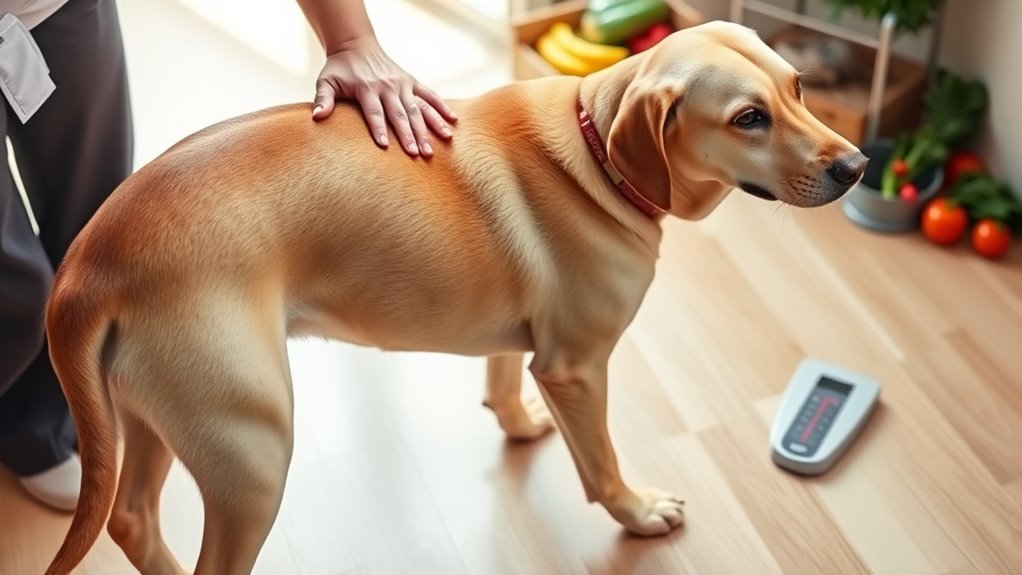

To safely help your overweight dog lose weight, focus on precise portion control, high-quality and low-calorie foods, and regular exercise suited to their age and health. Avoid feeding table scraps or treats, and monitor their progress consistently. Consult your veterinarian for personalized goals and guidance, especially if weight loss slows or health issues arise. Staying committed to these practices will improve your dog’s health and longevity—continue to learn more about effective weight management strategies.

Get pet supplies delivered free with Prime
- Fast, free delivery on millions of items
- Prime Video, Amazon Music and more included
- Member-only deals all year
Key Takeaways
- Consult a veterinarian to determine the ideal weight and create a realistic, gradual weight loss plan.
- Measure food accurately and eliminate treats and table scraps to control calorie intake.
- Incorporate regular, moderate exercise tailored to the dog’s age and health status.
- Monitor weight weekly and keep a progress journal to track improvements and adjust as needed.
- Focus on steady weight loss (1-2% weekly) to ensure safe, sustainable results and prevent health risks.
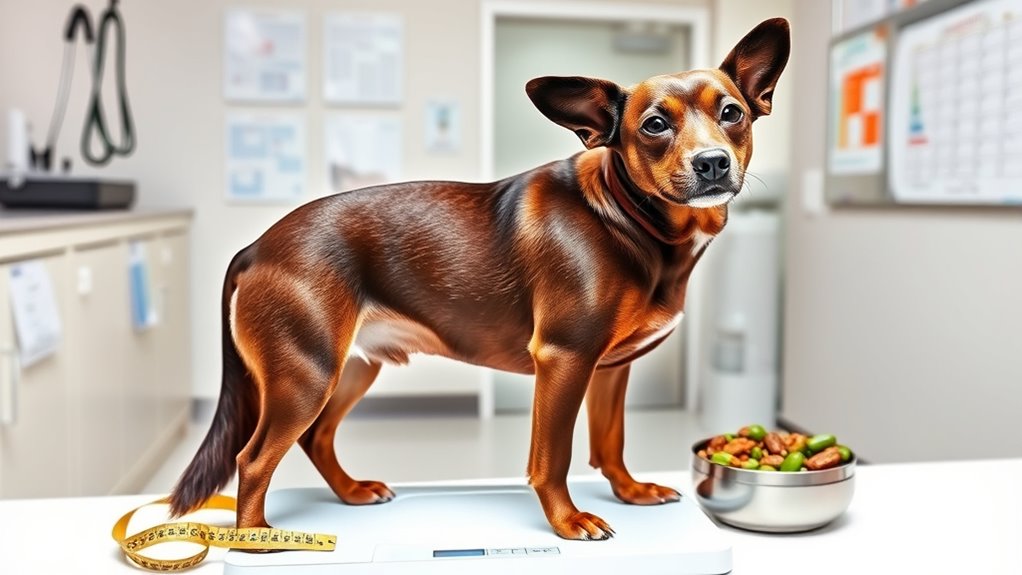
Are you concerned that your dog might be carrying extra weight? Overweight dogs face increased risks of health problems like diabetes, arthritis, and heart disease. Recognizing the signs early can make a big difference in managing their weight effectively. You might notice your dog becoming less active, struggling to climb stairs, or gaining weight despite eating normally. Sometimes, it’s as simple as a few extra pounds, but it’s vital to address the issue promptly to guarantee your dog’s well-being.
Noticing your dog gaining weight or being less active? Early signs are key to preventing serious health issues.
The first step is understanding how much your dog should weigh. Every breed has a healthy weight range, so consult your veterinarian to determine your dog’s ideal weight. Once you know this, you can set realistic goals for weight loss. Remember, rapid weight loss isn’t safe, so aim for steady, gradual progress—about 1% to 2% of body weight per week. Your vet can help you develop a tailored plan that suits your dog’s age, breed, and health status.
Adjusting your dog’s diet is essential. Start by measuring their food precisely and sticking to recommended serving sizes. Many commercial dog foods are formulated to meet nutritional needs without excess calories, so choose high-quality options that focus on lean proteins, fiber, and essential nutrients. You might need to switch to a lower-calorie formula or reduce portion sizes, but do so gradually to avoid gastrointestinal upset. Avoid giving your dog table scraps, treats, or human food, which can add unnecessary calories and sabotage your efforts.
Exercise is equally important in weight management. Incorporate regular, moderate activity into your dog’s daily routine. Short walks, play sessions, or even swimming can help burn calories and build muscle. Keep in mind that exercise should be appropriate for your dog’s age and health condition. If your dog is very overweight or sedentary, start with gentle activities and increase intensity gradually. Consistency is key, so make exercise a daily habit and stay patient—weight loss takes time.
Monitoring your dog’s progress is vital. Weigh them regularly—weekly or biweekly—to track changes. Keep a journal to note dietary adjustments, activity levels, and weight trends. If weight loss stalls or your dog seems distressed, consult your veterinarian. They can assess for underlying health issues or suggest modifications to your plan. Remember, the goal is safe, sustainable weight loss that improves your dog’s quality of life. With patience, consistency, and professional guidance, you can help your dog reach and maintain a healthy weight, ensuring many happy, active years together.
Additionally, emerging machine learning algorithms are being used to develop personalized health plans for pets, which could further enhance weight management strategies in the future.
As an affiliate, we earn on qualifying purchases.
Frequently Asked Questions
How Can I Tell if My Dog Is Overweight?
You can tell if your dog is overweight by feeling their ribs—if you can’t easily feel them or they’re difficult to detect, your dog might be too heavy. Look for a noticeable waist when viewed from above, and check if their abdomen is tucked up. Observe their overall shape and energy levels. If you’re unsure, consult your vet for a proper assessment and personalized advice.
Are There Specific Breeds More Prone to Weight Gain?
Yes, some breeds are more prone to weight gain. For example, Labrador Retrievers, Beagles, and Dachshunds often struggle with obesity due to their genetics and activity levels. You should pay extra attention if you own one of these breeds, ensuring they get regular exercise and a balanced diet. Monitoring their weight and consulting your vet can help manage their weight effectively and keep them healthy.
How Often Should I Weigh My Dog During Weight Loss?
You should weigh your dog once a week during weight loss. Regular weigh-ins help you track progress and make sure your dog’s weight is decreasing safely. Use the same scale and weigh your dog at the same time of day for consistency. If your dog’s weight plateaus or increases, consult your veterinarian. Monitoring weekly allows you to adjust diet and exercise plans promptly, supporting healthy weight loss.
Can Treats Be Included in a Weight Management Plan?
Yes, treats can be included in your dog’s weight management plan. Just make certain you choose healthy, low-calorie treats and account for them in your dog’s daily calorie intake. Use treats sparingly, and consider using small portions or healthier options like vegetables or fruits. Always monitor your dog’s weight and adjust treats accordingly to keep their weight on track and support safe, gradual weight loss.
What Are the Signs of Nutritional Deficiencies During Weight Loss?
About 50% of dogs on restrictive diets show signs of nutritional deficiencies. You should observe for lethargy, dull coat, and weight plateaus, which could indicate inadequate nutrition. Loss of appetite or digestive issues also signal possible deficiencies. If you notice these signs, consult your vet promptly. Proper monitoring ensures your dog loses weight safely without compromising essential nutrients.
Conclusion
Maintaining your dog’s ideal weight keeps them healthier and happier. Did you know that overweight dogs are 2.4 times more likely to develop health issues like diabetes or joint problems? By monitoring their diet and encouraging regular exercise, you’re giving your furry friend a longer, better life. Remember, safe weight loss is a gradual process—stay patient and consistent. Your dedication makes a real difference in your dog’s well-being and happiness!
Columbus Day / Indigenous Peoples' Day Picks
long weekend sales
As an affiliate, we earn on qualifying purchases.