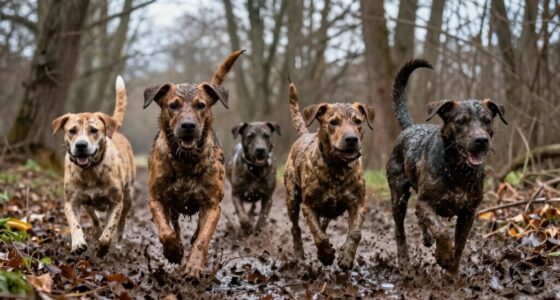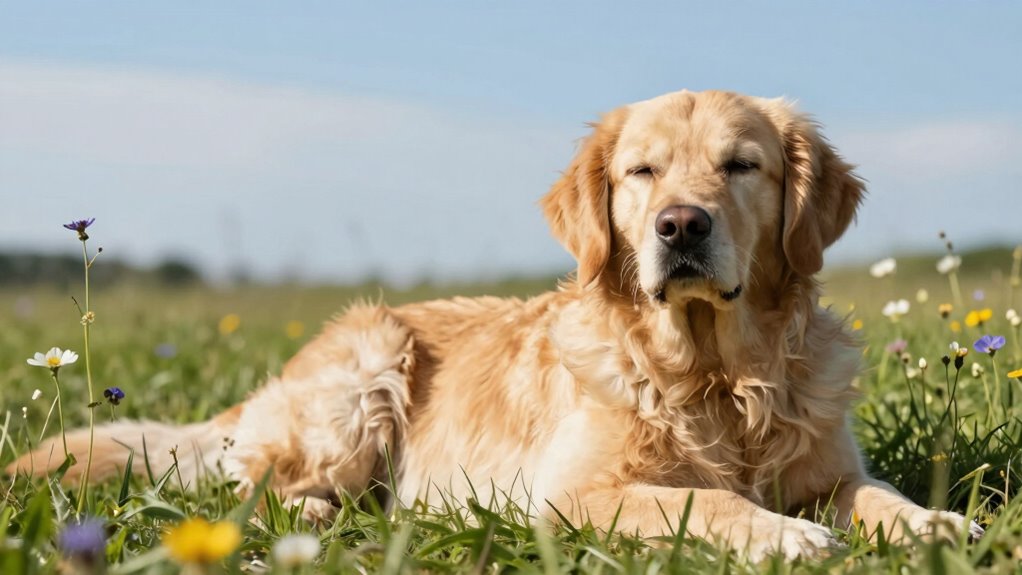
To help your dog enjoy doing nothing during outings, focus on patience and consistent training with commands like “sit,” “stay,” and “heel.” Use positive reinforcement to reward calm behavior, and keep sessions short and positive to prevent stress. Gradually introduce distractions to build confidence, and create a predictable routine to make your dog feel secure. Incorporating calming techniques like gentle massage can also help your dog relax. Keep exploring to discover more effective strategies.
Prime for Young Adults — start your free trial
Fast free delivery, streaming and member deals for eligible 18–24 year olds.
As an affiliate, we earn on qualifying purchases.
Key Takeaways
- Use positive reinforcement to reward relaxed behavior during quiet moments and calm outings.
- Incorporate short, gentle training sessions to build confidence and reduce stress.
- Create a predictable routine to help your dog feel secure and comfortable in new environments.
- Practice calming techniques like deep pressure or gentle massage to promote relaxation.
- Gradually introduce distractions to help your dog remain calm and enjoy doing nothing.
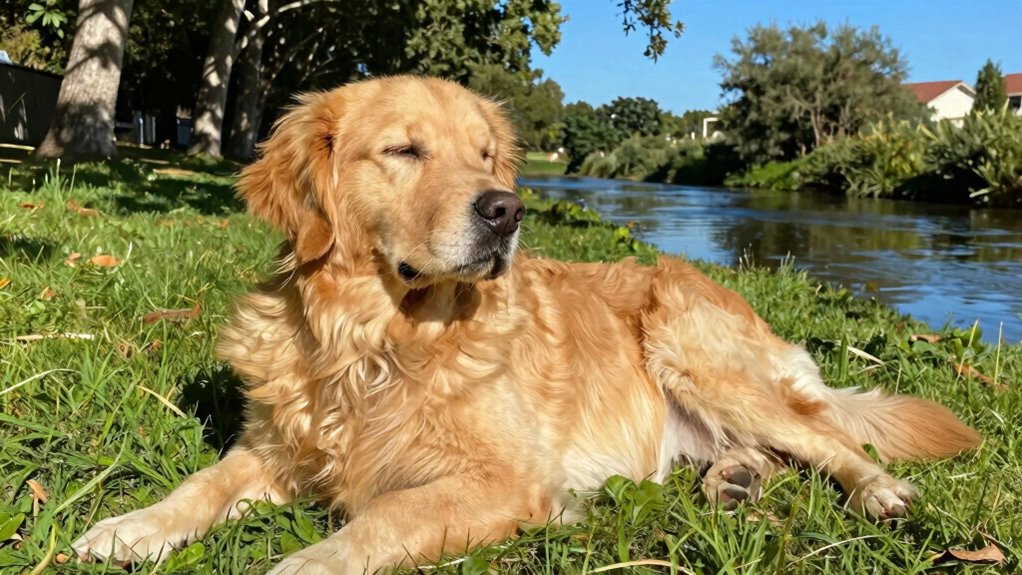
Taking your dog on outings can be a wonderful way to bond and provide mental stimulation, but some dogs get easily overwhelmed or anxious in busy environments. To help your dog enjoy outings without feeling stressed, focusing on dog training and leash manners is essential. Proper leash manners not only keep your dog safe but also set the foundation for calm, controlled walks. When your dog walks calmly by your side, it reduces their anxiety and helps them stay present in the moment instead of getting distracted or overwhelmed by the surroundings.
Start with basic dog training that emphasizes patience and self-control. Teach your dog commands like “sit,” “stay,” and “heel,” which are *essential* for maintaining calmness during outings. Consistent training builds your dog’s confidence and helps them understand what’s expected of them in new environments. Use positive reinforcement—praise, treats, or toys—to reward calm behavior during walks. Over time, your dog will associate staying relaxed and walking politely with rewards, making outings more enjoyable for both of you. Incorporating training consistency can significantly improve your dog’s behavior and comfort during outings. Additionally, practicing desensitization techniques can help your dog gradually become more comfortable in stimulating environments, reducing their overall stress. Creating a predictable routine can also help your dog feel more secure during outings and reduce anxiety.
Basic commands like sit, stay, and heel build confidence and promote calm, enjoyable outings for your dog.
Leash manners play a *key* role in calming your dog during outings. Practice walking on a loose leash so your dog doesn’t feel tension or pressure that could lead to pulling or anxiety. When your dog pulls, gently stop and wait until they relax before moving forward. This teaches them that calmness earns movement and attention. As they improve, you can gradually introduce more distractions, but always keep training sessions short and positive to avoid overwhelming your dog. Additionally, understanding the importance of environmental enrichment can help prevent boredom and stress, making outings more peaceful for your pet. Incorporating calming techniques such as deep pressure or gentle massage can further enhance your dog’s ability to relax in stimulating environments.
As an affiliate, we earn on qualifying purchases.
Frequently Asked Questions
How Long Should Calm Outings Last for Puppies?
For puppy socialization, keep calm outings around 10 to 15 minutes initially. As your puppy gets comfortable, gradually increase the outing duration, aiming for up to 30 minutes over time. Short, positive experiences help your puppy enjoy calm outings without feeling overwhelmed. Always observe your puppy’s behavior, and if they seem stressed, reduce the duration. Consistent, gentle exposure builds confidence and helps your puppy enjoy doing nothing during calm outings.
What if My Dog Gets Anxious During Outings?
If your dog gets anxious during outings, try using dog relaxation techniques like calming voice commands, gentle petting, or bringing familiar items. Incorporate anxiety management strategies such as gradual exposure and positive reinforcement. Keep outings short initially, gradually increasing duration as your dog becomes more comfortable. Stay patient and consistent, providing a calm environment. Over time, these methods help your dog feel secure, reducing anxiety and making outings more enjoyable for both of you.
Can Calm Outings Help With Separation Anxiety?
Calm outings can considerably help with separation anxiety, as they promote relaxation and positive associations. Research shows that dogs trained with mindfulness techniques are 40% less anxious when alone. By incorporating relaxation techniques into outings, you teach your dog to stay calm and relaxed, reducing anxiety when you’re away. Consistent calm outings build confidence and trust, making separation less stressful for your furry friend.
Are Certain Breeds More Suited to Calm Outings?
Certain breeds are more suited to calm outings because of their breed temperament and activity suitability. For example, breeds like Bulldogs or Shih Tzus generally enjoy relaxing walks and mellow outings, making them good candidates. Conversely, high-energy breeds like Border Collies or Jack Russell Terriers may require more vigorous activities. By understanding your dog’s breed temperament and activity suitability, you can tailor outings that promote calmness and enjoyment.
How Do I Introduce My Dog to a New Calm Environment?
To introduce your dog to a new calm environment, start with gradual dog socialization by keeping initial visits short and positive. Use environmental acclimation by allowing your dog to explore at their own pace, offering treats and praise for calm behavior. Keep the atmosphere relaxed, minimize loud noises, and avoid rushing. Consistent exposure helps your dog feel secure, promoting peaceful experiences and encouraging them to enjoy doing nothing in tranquil settings.
Conclusion
With patience and gentle guidance, you can turn outings into peaceful adventures where your dog learns to enjoy doing nothing. Like a quiet pond reflecting the sky, these calm moments create a serene bond between you and your furry friend. Over time, your dog will embrace the stillness, discovering that sometimes, the best adventures are found in simply being present. So, breathe easy and let tranquility be your guiding star on every walk.
Fall Picks
fall essentials
As an affiliate, we earn on qualifying purchases.