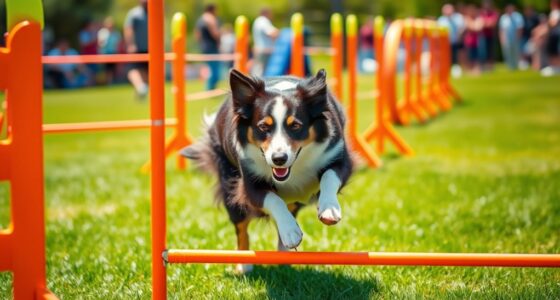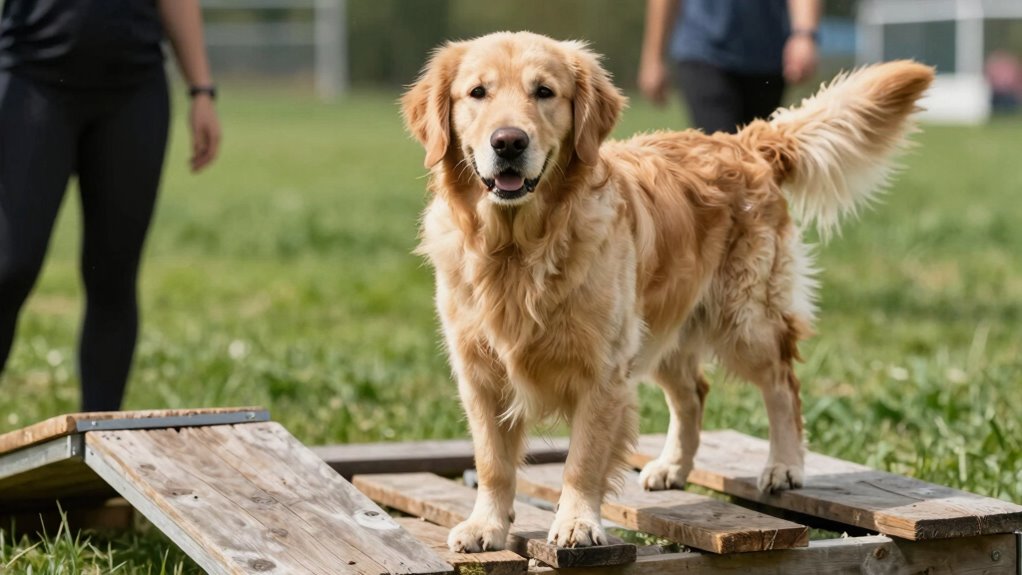

To build confidence in a dog that questions obstacles, start with small, manageable challenges and use positive reinforcement like treats and praise to encourage progress. Be patient and keep a calm, upbeat tone to create a supportive environment. Break obstacles into steps, slowly increasing difficulty as your dog gains comfort. Celebrate each small victory and stay consistent with training. If you keep these techniques in mind, you’ll discover more ways to help your dog overcome hesitation.
Get ready for Prime Big Deal Days — try Prime free
Exclusive member deals on October 6–7, plus fast free delivery. Cancel anytime.
As an affiliate, we earn on qualifying purchases.
Key Takeaways
- Use positive reinforcement like praise and treats to encourage and reward small successes at each step.
- Break obstacles into simple, manageable steps, gradually increasing difficulty as the dog gains confidence.
- Create a calm, supportive environment to reduce anxiety and build trust during training sessions.
- Be patient and consistent, celebrating even minor progress to foster a positive learning experience.
- Maintain an upbeat tone and avoid rushing, ensuring the dog feels safe and encouraged throughout the process.
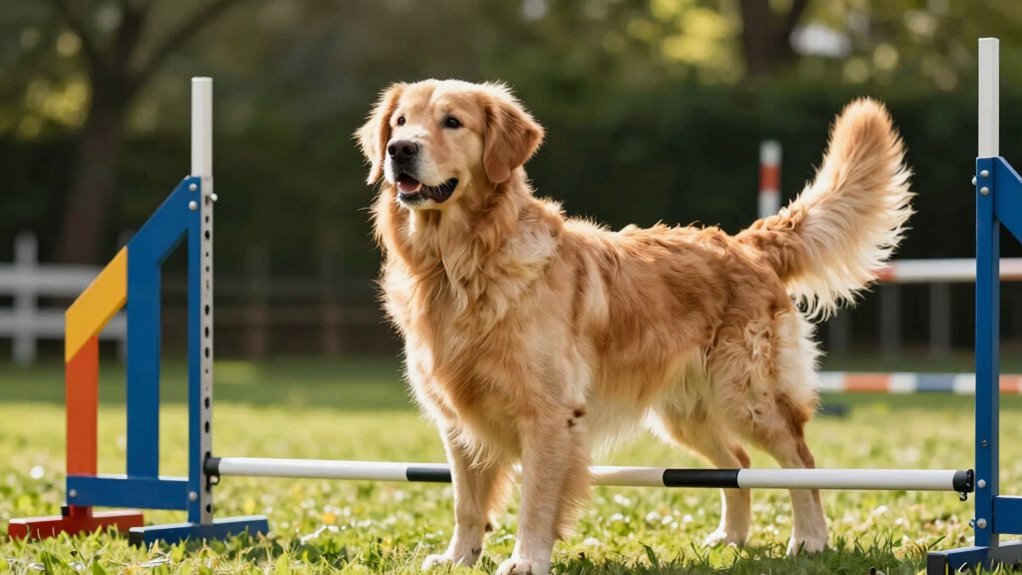
If your dog hesitates or questions obstacles during training, it’s a sign they may lack confidence. You’ll want to approach this with patience and gentle encouragement. The key is to help your dog feel safe and confident as they face new challenges. Using positive reinforcement is essential. When your dog makes progress, no matter how small, praise them enthusiastically and offer treats. This not only rewards the behavior but also builds their trust in your guidance. Remember, confidence isn’t built overnight, so consistent, calm praise helps your dog associate overcoming obstacles with positive outcomes.
Building your dog’s confidence takes patience, positive reinforcement, and gentle encouragement. Celebrate small victories together.
Gradual exposure plays an essential role in this process. Instead of pushing your dog into a challenging situation all at once, break the obstacle down into manageable steps. For example, if your dog fears a low jump, start by encouraging them to step onto a sturdy platform or a low object. Once they’re comfortable, slowly increase the height or complexity. The goal is to let your dog experience success at each stage, which gradually boosts their confidence. Avoid forcing or rushing your dog, as this can reinforce fear or hesitation. Recognizing and respecting your dog’s individual comfort level is crucial for effective confidence building.
During training, keep your tone upbeat and encouraging. If your dog shows signs of doubt, take a step back and reassess. Sometimes, a slight change in approach or environment can make a big difference. For example, if your dog is nervous on a certain surface or obstacle, try introducing it in a quieter, less stimulating setting. Use treats or favorite toys to motivate your dog and create a positive association with the obstacle. Over time, these small successes will help your dog view challenges as achievable rather than intimidating. Establishing a positive environment fosters trust and reduces anxiety, making progress more attainable. Incorporating positive reinforcement techniques can significantly enhance your dog’s confidence and willingness to try new things.
Patience is crucial. Some dogs need more time to build confidence than others, and that’s okay. Focus on progress, not perfection. Celebrate each victory, whether it’s simply approaching an obstacle or completing a small section of a course. Consistency helps reinforce the lessons learned, so practice regularly but keep sessions short and positive. Remember, your calm demeanor and supportive attitude play a key role in helping your dog see obstacles as opportunities rather than threats. With patience, positive reinforcement, and gradual exposure, you’ll notice your dog becoming more confident and eager to take on new challenges. Creating a supportive environment is essential for long-term confidence development.
As an affiliate, we earn on qualifying purchases.
Frequently Asked Questions
How Long Does It Take to See Progress in Confidence Building?
You’ll start seeing progress in confidence building within a few weeks, but it varies based on your dog’s personality and consistency. Focus on progress measurement through small confidence milestones, like tackling simple obstacles. Keep training positive and patient, and you’ll notice your dog gradually gains trust and bravery. Remember, steady daily efforts are key, and celebrating each milestone keeps motivation high for both you and your furry friend.
Can Confidence Building Techniques Be Done at Home Alone?
Confidence building techniques are like planting seeds; you can definitely do them at home alone. Indoor exercises help your dog get comfortable with obstacles, while socialization tips encourage positive interactions. You can practice calm exposure to new objects and sounds, gradually increasing difficulty. Consistency is key, so dedicate time daily. With patience and gentle encouragement, your dog will grow more confident and curious, even without outside help.
Are Certain Breeds More Prone to Questioning Obstacles?
Certain breeds are more prone to questioning obstacles due to breed tendencies that influence their questioning behavior. For instance, herding and terrier breeds often display cautious or inquisitive traits, making them more likely to question new challenges. You might notice these tendencies if your dog hesitates or seems unsure when faced with unfamiliar objects. Understanding your dog’s breed traits helps you tailor confidence-building activities that address their specific questioning behavior.
What Are Signs That My Dog Is Improving Confidence?
You’ll notice your dog’s confidence improving when their body language becomes more relaxed and assertive, like a wagging tail and open posture. They’ll approach new obstacles with curiosity rather than hesitation. Socialization techniques help reinforce this progress, making them more comfortable around people and other animals. Keep observing their cues, and celebrate small victories, like stepping over a low barrier or exploring a new environment confidently.
How Do I Handle Setbacks During Confidence Training?
When setbacks happen, stay patient and use positive reinforcement to encourage your dog. Revisit familiar, successful exercises to rebuild confidence and avoid overwhelming them. Incorporate gradual exposure, slowly increasing difficulty as your dog improves. Celebrate small victories to motivate progress. Remember, setbacks are normal, so keep a consistent routine, remain positive, and give your dog plenty of encouragement, helping them regain confidence step by step.
Conclusion
Now that you’ve started guiding your dog through obstacles with patience and encouragement, you might think the journey is almost over. But beware—each new challenge could bring surprises you didn’t see coming. Will your dog overcome their doubts and grow more confident, or will obstacles still hold them back? Keep your trust strong and your patience steady. The next step in their transformation might be closer than you realize—are you ready to see what’s next?
Fall Picks
fall essentials
As an affiliate, we earn on qualifying purchases.