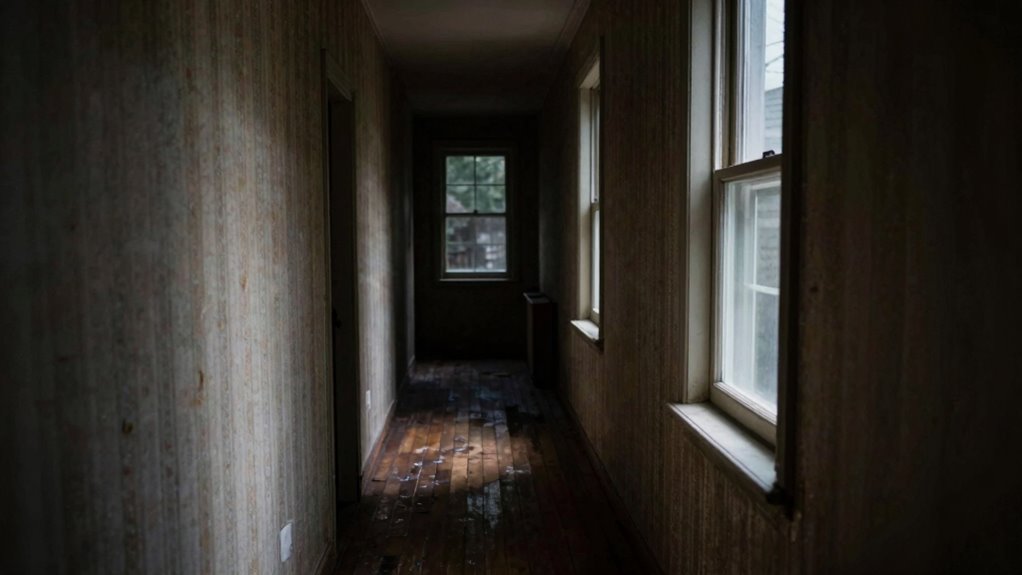

Hallways and windows often create security gaps because they’re typically less monitored, making them attractive entry points for intruders. Poor lighting or lack of cameras in these areas allows intruders to operate unseen or exploit blind spots easily. They prefer these spots because they offer quick access and escape routes while avoiding detection. If you want to make your home less appealing and learn how to protect these vulnerable spots, more tips await you.
Key Takeaways
- Poorly lit hallways and unmonitored windows create easy entry points for intruders seeking concealment.
- Intruders exploit blind spots in hallways and windows to avoid security cameras and detection.
- Lack of security measures in these areas increases vulnerability and opportunities for unnoticed intrusion.
- Intruders study these spaces to identify weaknesses and plan quick, discreet access routes.
- Securing hallways and windows with lighting and cameras reduces their attractiveness and enhances home safety.
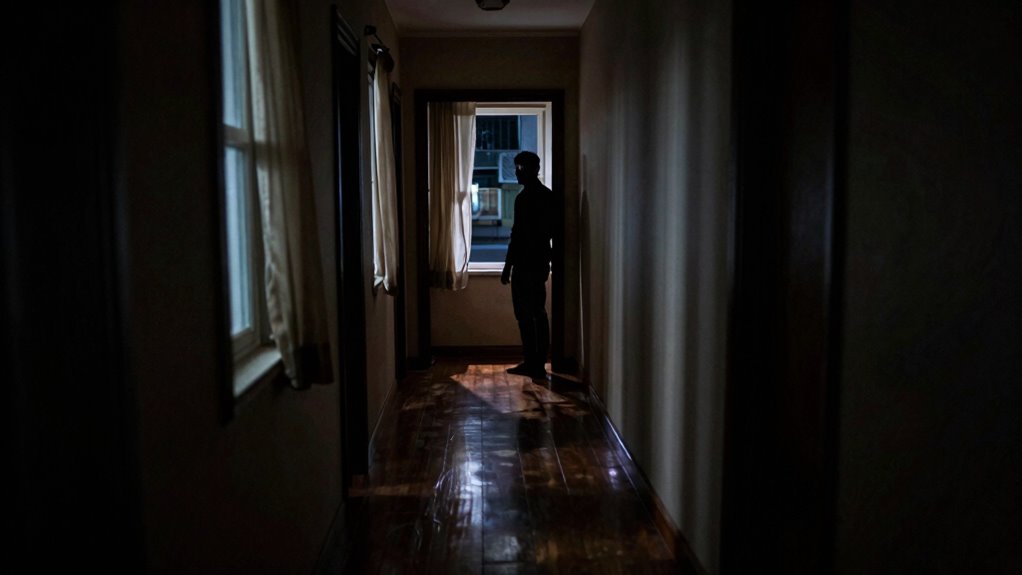
Have you ever wondered how to better safeguard your home and loved ones? Understanding intruder psychology is an essential step. Most burglars prefer easy access and quick exits, avoiding confrontations whenever possible. They target homes where they can operate unseen, often exploiting blind spots like hallways and windows. Knowing this, you realize that these areas are prime opportunities for intruders to slip in unnoticed, making your home more exposed if not properly secured. Proper security camera placement becomes critical here. Strategically positioning cameras near hallways and windows not only deters potential intruders but also provides key evidence if an intrusion occurs. Cameras should cover every possible entry point, especially those that intruders see as less monitored. When you place cameras at these key points, you send a clear message: you’re watching, and that makes your home less attractive as a target.
Many homeowners underestimate the importance of camera angles and blind spots. Intruders are often aware of common security flaws and will look for unmonitored windows or poorly lit hallways. If you don’t take care to cover these areas, you’re fundamentally inviting trouble. Furthermore, criminals tend to study behavior patterns, so they’ll observe how your security system functions or if there are dead zones. This means that your security camera placement should be deliberate, covering every vulnerable spot without gaps. A well-placed camera can catch a burglar’s movements in real time, allowing you or authorities to respond quickly. This visibility also discourages intruders, who prefer to operate where they’re less likely to be caught. Additionally, understanding intruder psychology helps you identify which areas are more likely to be targeted and how to best secure them. Recognizing these patterns allows you to plan security measures that disrupt their expectations. Installing security measures that take into account intruder tactics can significantly improve your overall safety.
Beyond camera placement, understanding the psychology behind break-ins helps you appreciate why certain areas are targeted. Intruders often seek out darker, secluded spaces—hallways that aren’t well lit or windows that are obscured by foliage. When these spots are fortified with cameras and bright lighting, it shifts their risk-reward calculation. You want to make your home a fortress, so intruders are less likely to risk detection. Remember, a strategic approach that considers intruder psychology and emphasizes security camera placement at vulnerable points can greatly enhance your home’s defenses. You’re not just installing equipment—you’re actively creating an environment where intruders feel exposed and vulnerable, which ultimately makes your home a safer place for you and your loved ones. Proper lighting and landscaping can serve as additional layers of security, making entry points less appealing for intruders to target. Incorporating security awareness into your overall home safety plan ensures you are proactively addressing potential vulnerabilities.

Girafit 3MP 2K Window Camera,2.4GHz&5GHz WiFi Indoor Cameras for Home Security 2 Pack with ChroMax Al Color Night Vision,Person & Motion Detection,24/7 Recording,Easy&Quick Install
- Ultra-HD 3MP Clarity: Clear visuals day and night
- Color Night Vision: ChroMax AI for vivid night images
- Motion & Person Detection: Real-time alerts for security threats
As an affiliate, we earn on qualifying purchases.
As an affiliate, we earn on qualifying purchases.
Frequently Asked Questions
How Can I Effectively Secure My Hallway Without Making It Look Suspicious?
To secure your hallway without raising suspicion, install discreet door sensors and motion detectors. Place sensors near entrances to alert you to unauthorized access, and use motion detectors that blend with your decor. Keep the devices hidden but functional, avoiding bulky or obvious equipment. Regularly test and adjust them for peak performance. This way, your home stays protected quietly and effectively, without making your security measures stand out.
Are There Specific Window Types That Are Easier to Guard or More Vulnerable?
Imagine a sleek, double-glazed window catching sunlight—these tend to be more vulnerable due to thinner glass and easier access points. To improve security, opt for reinforced windows with shatter-resistant glass or security film. Casement windows, which swing open, can be more vulnerable than fixed panes. Reinforcing these with security bars or locks makes them harder to breach, giving you peace of mind without sacrificing aesthetics.
What Are the Legal Considerations for Installing Security Measures in Hallways?
When installing security measures in hallways, you need to guarantee legal compliance by following local laws about surveillance and property rights. You should also consider privacy concerns, especially if the hallway is shared or visible from neighboring properties. Always inform household members and visitors about security cameras or alarms. Consulting legal experts helps you avoid violations, ensuring your security setup respects privacy while keeping your home protected.
How Does Home Guarding Impact Neighborhood Safety Perceptions?
You can boost neighborhood safety perceptions by actively engaging with your community and fostering neighborhood cohesion. When you share security tips and collaborate on patrols, residents feel more connected and vigilant. Home guarding that involves neighbors creates a sense of collective responsibility, making the area safer. Your community engagement not only deters crime but also builds trust, encouraging everyone to look out for one another and strengthening overall neighborhood safety perceptions.
What Are the Best Practices for Training Family Members in Home Security?
Think of your home as a fortress, and your family as its vigilant guardians. To strengthen this fortress, you should conduct regular security drills that mimic real threats, ensuring everyone knows their role. Building family awareness involves teaching them to recognize suspicious activity and respond calmly. Practice makes perfect, so keep training engaging and consistent, turning safety routines into instinctive habits that safeguard your home like a well-coordinated team.
Conclusion
Remember, keeping your home secure isn’t just about locking doors and installing alarms. Hallways and windows can turn into vulnerabilities if you’re not vigilant. Think of your home as a fortress in a medieval tale — every passage and window is a weak spot that could be exploited. Stay proactive, reinforce these areas, and don’t leave anything to chance. After all, a well-guarded home is your best defense against unwanted guests, no matter how modern or ancient the threat.