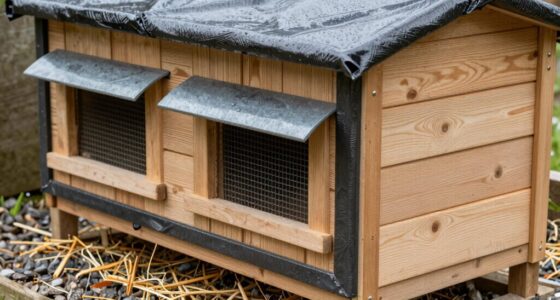
When choosing kennel flooring, you can’t go wrong with options like rubber, gravel, turf, or concrete. Rubber offers comfort, slip resistance, and easier cleaning, but can be pricier. Gravel is affordable and drains well but can be messy and sharp. Turf provides a natural look and comfort, yet wears over time. Concrete is durable and easy to maintain, though it can be hard and cold. Keep exploring to find the perfect fit for your needs.

Get pet supplies delivered free with Prime
- Fast, free delivery on millions of items
- Prime Video, Amazon Music and more included
- Member-only deals all year
Key Takeaways
- Rubber flooring offers cushioned, slip-resistant comfort and is easy to clean, ideal for dogs with joint issues.
- Gravel is affordable, drains well, but can be uncomfortable and messy, requiring regular maintenance.
- Turf provides a natural look, is easy to clean, and resists odors, but degrades over time with heavy use.
- Concrete is durable, low-maintenance, and cost-effective but can be hard and cold, potentially causing discomfort.
- The best choice depends on balancing comfort, durability, maintenance, and budget requirements.

Are you unsure which flooring is best for your kennel? Choosing the right surface can make a significant difference in the comfort of the dogs and the ease of maintenance. Each option—rubber, gravel, turf, and concrete—has its pros and cons, so understanding these can help you decide what suits your needs best.
Rubber flooring is a popular choice because it offers excellent dog comfort. It provides a cushioned surface that reduces joint strain, especially important for older or injured dogs. Rubber is also slip-resistant, which helps prevent injuries during play or when dogs are running around. When it comes to maintenance tips, rubber is relatively easy to clean; it resists odors and can be hosed down or swept regularly. However, keep in mind that rubber can be more expensive initially and may require periodic checks for tears or wear, especially in high-traffic areas. Additionally, some rubber materials are environmentally friendly, which can be an important consideration for eco-conscious kennels.
Rubber flooring offers comfort, slip resistance, and easy maintenance, making it ideal for dog safety and care.
Gravel is another option that’s simple to install and affordable. It drains well, making it suitable for outdoor kennels where moisture control is vital. However, gravel doesn’t offer much in the way of dog comfort—dogs might find it uncomfortable to lie or rest on uneven surfaces. It can also be messy, as gravel tends to get scattered outside the kennel, so regular maintenance involves raking and replenishing gravel to keep it level. Additionally, sharp edges can pose a risk of cuts, so you’ll want to verify the gravel is smooth and well-maintained.
Artificial turf provides a natural look and a softer surface that’s relatively comfortable for dogs. It’s a good middle ground, offering decent dog comfort without the high maintenance of natural grass. Turf is easy to clean with a quick rinse, and many varieties resist odors and bacteria, making maintenance straightforward. Still, turf can degrade over time, especially in areas with heavy use or exposure to intense weather. Regular brushing and disinfecting help extend its lifespan and keep it sanitary. Proper installation and quality turf materials can significantly extend the lifespan of turf surfaces.
Concrete is the most durable and cost-effective option, especially for indoor kennels. It’s extremely easy to maintain—just sweep and mop regularly—and it can withstand heavy use. While concrete is highly resilient, it’s not known for dog comfort; it can be hard and cold, which might cause discomfort or joint issues for some dogs. To improve comfort, many kennels add rubber mats or padding on top of concrete surfaces. Properly sealing the concrete also prevents moisture seepage and reduces odors, making maintenance more manageable. Using a sealed concrete surface can also help prevent staining and damage from pet accidents, extending its usability.
Products Worth Considering

Shark Rocket Corded Stick Vacuum for Carpet and Hard Floors, Gray/Orange, HV301

Dyson V11 Origin Cordless Vacuum, 185AW, 3 Power Modes, Up to 60 Minutes Runtime, Deep Cleans Hard Floors and Carpets, Detangles Pet Hair, C

PETLIBRO Granary 2 Vision Duo Automatic Cat Feeder for Two Cats
As an affiliate, we earn on qualifying purchases.
Frequently Asked Questions
How Do Kennel Flooring Options Affect Canine Health and Safety?
Your choice of kennel flooring directly impacts canine health and safety. You provide animal comfort by selecting soft, cushioned surfaces like rubber, which reduce stress on joints. Injury prevention is essential; durable, non-slip options prevent slips and falls. Gravel and concrete can cause discomfort or injuries if not properly maintained, while turf offers a natural feel. Your flooring choice guarantees the dogs stay safe, comfortable, and healthy in their environment.
What Is the Cost Difference Between the Flooring Choices?
The cost comparison varies considerably among flooring options. Rubber flooring tends to be the most expensive upfront, but it offers durability and comfort. Concrete is usually the most affordable but may require additional finishing for safety. Gravel and turf fall somewhere in between, with gravel being budget-friendly and turf priced based on quality. Price variations depend on installation complexity and material quality, so weigh your budget against the long-term benefits for your kennel.
Which Flooring Is Easiest to Clean and Maintain?
Rubber flooring is the easiest to clean and maintain. You’ll find that it requires less frequent cleaning, and just using basic maintenance tools like a broom, mop, or vacuum keeps it in good shape. You won’t need specialized cleaning solutions often, and its smooth surface resists dirt and debris buildup. This means less effort and time spent on cleaning frequency, making rubber a practical choice for busy kennel environments.
How Durable Is Each Flooring Option Over Time?
Rubber flooring offers excellent material longevity and wear resistance, making it highly durable over time. Concrete is also very long-lasting and withstands heavy use, but can crack or chip without proper maintenance. Turf provides moderate durability but may wear down faster with frequent use. Gravel is less durable, shifting and degrading quickly, requiring more frequent replacements. Your choice depends on balancing durability with comfort and maintenance needs.
Are There Environmental Impacts Associated With Each Flooring Type?
You’ll find that rubber flooring often uses eco-friendly materials and has good recycling potential, making it an environmentally conscious choice. Gravel has minimal environmental impact during installation but can cause runoff issues. Turf may involve synthetic materials with higher environmental concerns, though some options use recycled plastics. Concrete’s production emits significant CO2, but it’s highly durable and recyclable. Overall, choosing eco-friendly options can reduce your kennel’s environmental footprint.
Conclusion
Choosing the right kennel flooring depends on your priorities, but did you know that rubber flooring can reduce injury-related costs by up to 50%? Whether you prefer the durability of concrete, the natural feel of turf, the drainage of gravel, or the comfort of rubber, weighing each option’s benefits helps you make an informed decision. Ultimately, selecting the best flooring guarantees your kennel is safe, hygienic, and comfortable for your animals.