For rugged trails, my best overall pick is the LOWA Camino Evo GTX, which stands out for demanding backpacking and sustained support; the SCARPA Zodiac Tech GTX is a strong choice for rocky, technical routes, while the Merrell Moab 3 Mid Waterproof offers a more approachable option for mixed day hikes. The main tradeoff is between a supportive, durable boot that may feel heavier and stiffer, and a lighter boot that can be easier to walk in but less suited to heavy loads or rough terrain. Waterproof membranes can help in wet conditions, though they may feel warmer and dry more slowly than non-waterproof footwear. I compare all 15 options by trail demands, support, construction, and likely fit priorities so you can match a boot to your hikes. Read on for the full breakdown and guidance on choosing the right level of protection.

Get pet supplies delivered free with Prime
- Fast, free delivery on millions of items
- Prime Video, Amazon Music and more included
- Member-only deals all year
Complete the kit


Key Takeaways
- The LOWA Camino Evo GTX leads for demanding backpacking because its supportive build is a better match for long days and heavier loads than lighter, more casual options.
- Technical terrain calls for a different kind of boot: the SCARPA Zodiac Tech GTX and Arc’teryx Konseal Trek are more compelling for rocky, precise foot placements than the softer-feeling day-hike choices.
- Premium construction does not automatically mean the right fit. Last shape, foot volume, and room for swelling can matter more on extended hikes than a boot’s feature list.
- Waterproofing is a condition-specific advantage, not a universal upgrade. A membrane suits wet trails, but buyers hiking in heat or crossing frequent streams should weigh breathability and drying time.
- The lineup spans very different budgets and use cases: the Merrell Moab 3 Mid and Columbia models are more accessible choices, while the LOWA, Zamberlan, and Kenetrek options lean toward stronger support or demanding use.
| Merrell Men’s Moab 3 Mid Waterproof Hiking Boots |  | Best Overall for Day Hikes | Upper: Pig suede leather and breathable mesh | Waterproofing: Waterproof membrane | Outsole: Vibram TC5+ | VIEW ON AMAZON | See Our Full Breakdown |
| LOWA Men’s Camino Evo GTX Backpacking Boots, Black/Orange, US 10.5 M |  | Best for Loaded Backpacking | Upper: Heinen terracare nubuck leather | Inner material: GORE-TEX | Sole: VIBRAM APPTRAIL II | VIEW ON AMAZON | See Our Full Breakdown |
| La Sportiva Men’s Nucleo High II GTX Hiking Boot | 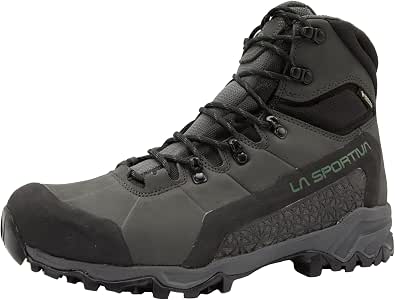 | Best for Breathable Waterproofing | Upper: Nubuck leather | Inner material: GORE-TEX Surround | Sole material: Rubber | VIEW ON AMAZON | See Our Full Breakdown |
| NORTIV 8 Men’s Waterproof Ankle-High Hiking Boots |  | Best for Casual Trail Use | Upper material: Fabric and synthetic | Waterproofing: Waterproof | Sole material: EVA and rubber | VIEW ON AMAZON | See Our Full Breakdown |
| Danner Men’s Mountain 600 ID Gore-Tex Waterproof Hiking Boots |  | Best Lightweight Rugged-Trail Pick | Upper material: Nylon | Inner material: GORE-TEX | Water resistance: Waterproof | VIEW ON AMAZON | See Our Full Breakdown |
| SCARPA Men’s Zodiac Tech GTX Hiking Boots |  | Best for Technical Mountain Approaches | Waterproofing: GORE-TEX Performance Comfort | Construction: Sock-Fit | Protection: Full rubber rand | VIEW ON AMAZON | See Our Full Breakdown |
| LOWA Men’s Renegade EVO GTX Mid Hiking Boot |  | Best for Stable, All-Terrain Hiking | Upper: Heinen Terracare nubuck leather | Lining: GORE-TEX | Outsole: Vibram Rene Trac rubber | VIEW ON AMAZON | See Our Full Breakdown |
| Zamberlan Men’s Vioz GTX Hiking Boots |  | Best for Full-Grain Leather Durability | Upper: Hydrobloc full-grain leather | Lining: Microtex wicking nylon | Membrane: Gore-Tex Performance Comfort | VIEW ON AMAZON | See Our Full Breakdown |
| Kenetrek Men’s Mountain Extreme Non-Insulated Hiking Boots |  | Best for Heavy Loads and Rough Ground | Upper: 2.8 mm full-grain leather | Shaft height: 10 inches | Midsole: 7 mm nylon | VIEW ON AMAZON | See Our Full Breakdown |
| Arc’teryx Konseal Trek Boot for Men |  | Best for Rugged Approaches | Upper: Textile, synthetic, and leather | Outsole: Rubber | Insole: Synthetic | VIEW ON AMAZON | See Our Full Breakdown |
| Columbia Men’s Newton Ridge Plus II Waterproof Hiking Boot |  | Best Lightweight All-Rounder | Upper: Waterproof full-grain leather and mesh | Shaft height: Ankle | Closure: Lace-up | VIEW ON AMAZON | See Our Full Breakdown |
| Columbia Men’s Transverse Waterproof Hiking Boots | 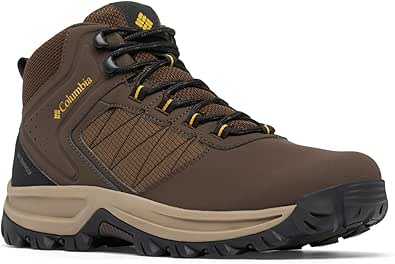 | Best for Wet Day Hikes | Upper material: Leather and mesh | Waterproofing: Waterproof, breathable, seam-sealed construction | Cushioning: TECHLITE impact absorption with energy return | VIEW ON AMAZON | See Our Full Breakdown |
| Kenetrek Men’s Bridger High Hiking Boots |  | Best for Ankle Support on Rugged Trails | Upper: Leather | Shaft height: 7 inches | Shaft circumference: 9 inches | VIEW ON AMAZON | See Our Full Breakdown |
| SCARPA Men’s Kailash Plus GTX Hiking Boots |  | Best Premium Backpacking Boot | Upper: 1.8mm nubuck leather | Lining: GORE-TEX ePE Bluesign (PFAS-compliant) | Outsole: Vibram Biometric/XS Trek | VIEW ON AMAZON | See Our Full Breakdown |
| Timberland Men’s Mt. Maddsen Waterproof Hiking Boots |  | Best for Cushioning and Footbed Adjustability | Upper: Premium waterproof Timberland leather | Waterproof membrane: TimberDry | Lining: ReBOTL fabric | VIEW ON AMAZON | See Our Full Breakdown |
| premium hiking boots for rugged trail | Outsole | Upper | Midsole | Shaft height |
|---|---|---|---|---|
| Merrell Men’s Moab 3 Mid Water | Vibram TC5+ | Pig suede leather and breathable mesh | Super Rebound Compound | Ankle |
| LOWA Men’s Camino Evo GTX Back | — | Heinen terracare nubuck leather | DuraPU | — |
| La Sportiva Men’s Nucleo High | Vibram Nano XS-Trek | Nubuck leather | Compression-molded EVA | — |
| NORTIV 8 Men’s Waterproof Ankl | Rubber, described as slip-resistant | — | — | Ankle |
| Danner Men’s Mountain 600 ID G | Danner Plyolite | — | Vibram SPE | — |
| SCARPA Men’s Zodiac Tech GTX H | — | — | — | — |
| LOWA Men’s Renegade EVO GTX Mi | Vibram Rene Trac rubber | Heinen Terracare nubuck leather | Double-injection DuraPU/DynaPU | Ankle |
| Zamberlan Men’s Vioz GTX Hikin | Zamberlan Vibram 3D | Hydrobloc full-grain leather | PU | Calf high |
| Kenetrek Men’s Mountain Extrem | K-Talon | 2.8 mm full-grain leather | 7 mm nylon | 10 inches |
| Arc’teryx Konseal Trek Boot fo | Rubber | Textile, synthetic, and leather | — | — |
| Columbia Men’s Newton Ridge Pl | Omni-Grip multi-terrain rubber | Waterproof full-grain leather and mesh | — | Ankle |
| Columbia Men’s Transverse Wate | — | — | — | Ankle |
| Kenetrek Men’s Bridger High Hi | KT-Light | Leather | Full-length nylon | 7 inches |
| SCARPA Men’s Kailash Plus GTX | Vibram Biometric/XS Trek | 1.8mm nubuck leather | Light PU | — |
| Timberland Men’s Mt. Maddsen W | Rubber with 15% recycled rubber | Premium waterproof Timberland leather | Compression-molded EVA | Ankle; approximately 5 inches from arch |
More Details on Our Top Picks
Merrell Men’s Moab 3 Mid Waterproof Hiking Boots
The Moab 3 Mid is the most approachable all-rounder here: its cushioned feel, ankle-height build, and Vibram TC5+ outsole suit day hikes and mixed trail surfaces without the more specialized feel of the LOWA Camino Evo GTX. The pig suede and mesh upper pairs with a waterproof membrane, while the Super Rebound Compound midsole and Merrell Air Cushion help soften repeated steps. That comfort-focused setup makes it a practical choice for hikers who want one boot for varied outings rather than a stiff boot built mainly for heavy backpacking. The tradeoff is fit: the listed 4-inch shaft circumference may feel restrictive for wider calves, and some feet may still need a break-in period. For sustained heavy loads, the Camino Evo is the more backpacking-oriented alternative.
Pros:- Vibram TC5+ outsole is designed for dependable traction on varied trail surfaces
- Cushioned midsole and Merrell Air Cushion support comfort over long days on foot
- Waterproof membrane works with breathable mesh in the upper
- Pig suede and mesh construction is suited to versatile outdoor use
Cons:- The 4-inch shaft circumference may be tight for wider calves
- Some wearers may still need a break-in period despite the comfort-focused design
Best for: Day hikers seeking cushioned, waterproof boots with dependable grip for varied trails and occasional multi-sport use
Not ideal for: Hikers with wider calves or those carrying heavy backpacking loads who want a more supportive, backpacking-focused boot
- Upper:Pig suede leather and breathable mesh
- Waterproofing:Waterproof membrane
- Outsole:Vibram TC5+
- Midsole:Super Rebound Compound
- Insole:Merrell Air Cushion
- Shaft height:Ankle
- Shaft circumference:4 inches
- Sole material:Rubber
Our verdict“Choose the Moab 3 Mid for comfortable, versatile day hiking; pick the LOWA Camino Evo instead when loaded backpacking support is the priority.”
LOWA Men’s Camino Evo GTX Backpacking Boots, Black/Orange, US 10.5 M
For rugged routes with a substantial pack, I’d rank the LOWA Camino Evo GTX ahead of the lighter, comfort-led Merrell Moab 3 Mid. Its nubuck leather upper, GORE-TEX lining, and VIBRAM APPTRAIL II sole form a more backpacking-focused package, while DuraPU cushioning under the heel and forefoot helps manage repeated impact. The updated ankle area allows more flex on climbs, so its supportive build is not simply rigid from heel to toe. At 775 g per shoe, though, it asks hikers to carry more boot than the Moab 3 Mid, and the waterproof lining may feel warm in hot conditions. I’d favor it for demanding days under load, not fast, warm-weather hikes where lower weight and airflow matter more.
Pros:- GORE-TEX lining provides waterproof, breathable protection
- VIBRAM APPTRAIL II sole is built for trail traction
- Cushioning under the heel and ball of the foot supports extended hiking
- Updated ankle area allows more flex while climbing
Cons:- At 775 g per shoe, it is heavier than a lighter day-hiking option such as the Merrell Moab 3 Mid
- Waterproof lining may limit comfort in warm conditions
Best for: Backpackers carrying a loaded pack on rugged, multi-day routes who want leather construction, waterproof protection, and structured cushioning
Not ideal for: Fast-moving day hikers in hot weather or anyone prioritizing a lighter boot with a less substantial feel
- Upper:Heinen terracare nubuck leather
- Inner material:GORE-TEX
- Sole:VIBRAM APPTRAIL II
- Midsole:DuraPU
- Insole:Climate Control
- Weight:775 g per shoe
- Shaft circumference:9 inches
- Size:US 10.5 M
Our verdict“Choose the Camino Evo GTX for loaded backpacking and ankle support, but look to the Merrell Moab 3 Mid for lighter, more casual trail days.”
La Sportiva Men’s Nucleo High II GTX Hiking Boot
The Nucleo High II GTX stands out for hikers who want waterproof coverage without as much trapped heat as a more conventional lined boot. Its GORE-TEX Surround membrane is paired with durable nubuck leather, while the Vibram Nano XS-Trek sole targets grip on rough ground. Compared with the LOWA Camino Evo GTX, this La Sportiva is lighter at a listed 476 g and puts a stronger emphasis on heat release and mobility; the LOWA is the more obvious choice for hikers focused on substantial backpacking support. The Nucleo’s compression-molded EVA midsole adds cushioning, and its 3D Flex ankle hinge is designed to ease movement. Fit is the catch: it runs small, with the product data advising a full-size increase, so careful sizing matters.
Pros:- GORE-TEX Surround is designed to release heat while keeping water out
- Vibram Nano XS-Trek sole provides trail-focused traction
- Listed weight of 476 g keeps the boot lighter than the LOWA Camino Evo GTX
- 3D Flex ankle hinge supports mobility on uneven terrain
Cons:- Runs small; the product data advises ordering one full size larger
- Its lighter, mobility-focused build may not suit hikers seeking the more substantial feel of a backpacking boot
Best for: Hikers who want a relatively light, waterproof leather boot with ventilation features for demanding day hikes and backpacking
Not ideal for: Buyers who cannot size up comfortably, or backpackers who prefer the more substantial build of the LOWA Camino Evo GTX
- Upper:Nubuck leather
- Inner material:GORE-TEX Surround
- Sole material:Rubber
- Outsole:Vibram Nano XS-Trek
- Midsole:Compression-molded EVA
- Weight:16.80 oz (476 g)
- Sizing advice:Fits small; order one full size larger
- Ankle feature:3D Flex ankle hinge
Our verdict“Pick the Nucleo High II GTX if you want breathable waterproofing and a lighter feel, provided its small-running fit works for you.”
NORTIV 8 Men’s Waterproof Ankle-High Hiking Boots
The NORTIV 8 Waterproof Ankle-High is the straightforward, cushioning-led option in this group, with a waterproof build, removable shock-absorbent insoles, and an EVA midsole aimed at reducing foot fatigue. Its rubber outsole is described as slip-resistant, making it suited to day hikes and outdoor work where practicality matters more than a technical backpacking platform. Compared with the Merrell Moab 3 Mid, the NORTIV 8’s listed details offer less trail-specific evidence: there is no named outsole compound, weight, or fit guidance to help judge performance on rough, extended routes. That makes it harder to recommend for demanding rugged terrain. The lighter cushioning setup may suit casual outings, but buyers seeking known materials and more detailed construction should favor the Merrell or La Sportiva.
Pros:- Waterproof construction is suited to wet conditions
- Removable shock-absorbent insoles allow replacement or adjustment
- Lightweight EVA midsole is designed to cushion steps and reduce fatigue
- Rubber outsole is described as slip-resistant
Cons:- No weight or fit details are provided, making sizing and on-trail heft harder to judge
- The listed data does not identify a technical outsole compound, unlike the Merrell Moab 3 Mid
- Less trail-specific construction information makes it a weaker choice for demanding backpacking
Best for: Occasional hikers and outdoor workers who want waterproof ankle-height footwear with removable cushioning for moderate trails and everyday use
Not ideal for: Backpackers and frequent rugged-trail hikers who need detailed fit information or a clearly specified technical outsole
- Upper material:Fabric and synthetic
- Waterproofing:Waterproof
- Sole material:EVA and rubber
- Shaft height:Ankle
- Insole:Removable and shock-absorbent
- Outsole:Rubber, described as slip-resistant
- Origin:Imported
Our verdict“Choose the NORTIV 8 for casual outings and everyday outdoor use, not as the first pick for sustained rugged backpacking.”
Danner Men’s Mountain 600 ID Gore-Tex Waterproof Hiking Boots
The Danner Mountain 600 ID suits hikers who want a flexible, lighter-feeling boot without giving up waterproofing or trail traction. A GORE-TEX lining blocks water, while the Vibram SPE midsole and OrthoLite footbed provide cushioning underfoot. Its Danner Plyolite outsole is described as grippy on rugged terrain, giving this boot a more trail-oriented profile than the casual-use NORTIV 8. Compared with the LOWA Camino Evo GTX, the Danner’s lightweight, flexible design favors easier movement over a substantial backpacking build; the LOWA is the better match for hikers prioritizing support under a heavy pack. The product details do not specify weight or fit, and they provide fewer construction details than the Merrell Moab 3 Mid, so buyers should check fit carefully before choosing it for long, remote routes.
Pros:- GORE-TEX lining provides waterproof protection
- Lightweight, flexible design favors easier movement on trail
- Vibram SPE midsole and OrthoLite footbed add cushioning
- Danner Plyolite outsole is designed for traction on rugged terrain
Cons:- No weight or fit measurements are provided in the product details
- The lighter, flexible design is less clearly aimed at heavy-load backpacking than the LOWA Camino Evo GTX
Best for: Hikers who value a flexible, lightweight feel with waterproof coverage and cushioning on varied trails
Not ideal for: Backpackers who want a clearly specified, more substantial boot for heavy loads, or buyers who need published weight and fit details
- Upper material:Nylon
- Inner material:GORE-TEX
- Water resistance:Waterproof
- Midsole:Vibram SPE
- Footbed:OrthoLite
- Outsole:Danner Plyolite
- Sole material:Rubber
- Color:Almond Butter
Our verdict“Choose the Mountain 600 ID for flexible waterproof trail hiking, but favor the LOWA Camino Evo GTX for a more substantial loaded-backpacking boot.”
SCARPA Men’s Zodiac Tech GTX Hiking Boots
The SCARPA Zodiac Tech GTX makes the most sense for hikers who move between long approaches and exposed, technical terrain. Its stated weight—1 lb 8.7 oz per boot in size 9—keeps it lighter than a more substantial leather option such as the Kenetrek Mountain Extreme, while the full rubber rand adds protection against rock scrapes. GORE-TEX Performance Comfort waterproofing and Sock-Fit construction target wet conditions and a close, low-bulk fit that may help limit hot spots on long days. The tradeoff is that its semi-automatic crampon compatibility is less flexible than a boot built for fully automatic crampons, and its technical focus may be more than casual trail walkers need. I’d choose it for mountain routes where precision and approach efficiency matter more than general-purpose comfort.
Pros:- Light stated weight for a boot intended for technical mountain use
- Full rubber rand protects against rock abrasion
- GORE-TEX Performance Comfort membrane provides waterproof, breathable protection
- Sock-Fit construction is designed to reduce bulk and hot spots
Cons:- Semi-automatic crampon compatibility limits use with fully automatic crampons
- Technical mountain design may feel unnecessary on ordinary hiking trails
Best for: Hikers tackling rocky, technical three-season mountain routes who want a lighter boot and may use semi-automatic crampons.
Not ideal for: Casual day hikers or climbers who require compatibility with fully automatic crampons.
- Waterproofing:GORE-TEX Performance Comfort
- Construction:Sock-Fit
- Protection:Full rubber rand
- Crampon compatibility:Semi-automatic
- Weight:1 lb 8.7 oz per boot, size 9 US men’s
- Intended use:Three-season mountaineering
- Listed size:EU 39 / US 6.5 men’s
Our verdict“Choose the Zodiac Tech GTX for lightweight, technical mountain approaches, but skip it if your routes call for fully automatic crampons or mostly easy trails.”
LOWA Men’s Renegade EVO GTX Mid Hiking Boot
For rugged trails that call for dependable support without a mountaineering-specific build, I’d put the LOWA Renegade EVO GTX Mid ahead of the more specialized SCARPA Zodiac Tech GTX. Its PU MONOWRAP frame and double-injection DuraPU/DynaPU midsole are aimed at stabilizing the foot and helping reduce fatigue, while the Vibram Rene Trac outsole is intended to grip loose or slick ground. A two-zone lacing system also lets hikers adjust the forefoot and ankle fit separately, a useful distinction on uneven terrain. The nubuck leather upper and GORE-TEX lining suit wet, changeable hikes, but leather needs care and this boot is less focused on technical climbing than the SCARPA. I’d favor it for mixed-terrain hiking and backpacking where support and adaptable fit take priority over climbing-specific features.
Pros:- PU MONOWRAP frame adds structural support on uneven ground
- Vibram Rene Trac outsole is designed for loose and slick terrain
- Two-zone lacing allows separate adjustment at the forefoot and ankle
- GORE-TEX lining provides waterproof, breathable protection
Cons:- Nubuck leather requires regular care to maintain the upper
- Less specialized for technical alpine use than the SCARPA Zodiac Tech GTX
Best for: Hikers and backpackers who want a supportive mid-height boot for wet, varied trails and value adjustable fit.
Not ideal for: Climbers seeking a boot built around crampon use, or hikers unwilling to maintain a nubuck leather upper.
- Upper:Heinen Terracare nubuck leather
- Lining:GORE-TEX
- Outsole:Vibram Rene Trac rubber
- Midsole:Double-injection DuraPU/DynaPU
- Frame:PU MONOWRAP
- Shaft height:Ankle
- Shaft circumference:10 inches
- Fit adjustment:Two-zone lacing system
Our verdict“Pick the Renegade EVO GTX Mid for supportive, all-terrain hiking with a customizable fit, not for crampon-focused alpine missions.”
Zamberlan Men’s Vioz GTX Hiking Boots
The Zamberlan Vioz GTX is the leather-focused choice in this group: its Hydrobloc full-grain leather upper offers a more substantial exterior than the textile-and-synthetic mix of the Arc’teryx Konseal Trek. A Gore-Tex Performance Comfort membrane adds waterproof protection, while the Vibram 3D outsole and PU midsole are built for traction and cushioning on demanding trails. The Zamberlan Flex System is intended to allow forward movement while maintaining lateral support, a useful balance when climbing and descending uneven ground. The supplied details don’t list weight, crampon compatibility, or specific protective reinforcement, so I wouldn’t rank it ahead of the SCARPA Zodiac Tech GTX for technical mountain missions. Its calf-high shaft may also feel more boot-like than a mid-height option. I’d choose it for rugged hiking where a full-grain leather build is the priority.
Pros:- Hydrobloc full-grain leather upper
- Gore-Tex Performance Comfort waterproof, breathable membrane
- Vibram 3D outsole paired with a PU midsole
- Flex system is designed to combine forward flex with lateral support
Cons:- Calf-high shaft may feel bulkier than the LOWA Renegade EVO GTX Mid
- Provided product details do not specify weight or crampon compatibility
Best for: Hikers who favor a full-grain leather upper and want waterproof protection with support for uneven, rugged trails.
Not ideal for: Weight-conscious hikers or technical climbers who need stated weight and crampon-compatibility details before choosing.
- Upper:Hydrobloc full-grain leather
- Lining:Microtex wicking nylon
- Membrane:Gore-Tex Performance Comfort
- Outsole:Zamberlan Vibram 3D
- Midsole:PU
- Flex system:Zamberlan Flex System (ZFS)
- Shaft height:Calf high
- Shaft circumference:6 inches
Our verdict“Choose the Vioz GTX if durable full-grain leather and trail support matter more to you than a lighter, climbing-oriented design.”
Kenetrek Men’s Mountain Extreme Non-Insulated Hiking Boots
When a rugged route involves a heavy pack, the Kenetrek Mountain Extreme stands apart from lighter options such as the SCARPA Zodiac Tech GTX. Its 7 mm nylon midsole and 10-inch shaft are geared toward substantial support, while 2.8 mm full-grain leather and an aggressive K-Talon outsole suit repeated contact with rough terrain. A Windtex waterproof-breathable membrane provides weather protection without adding insulation, which keeps this model aimed at non-insulated use rather than prolonged exposure to severe cold. That stiff, supportive build is the main tradeoff: it may feel restrictive to hikers who prefer a flexible boot for fast, lighter outings. I’d consider it for demanding hikes under load, but not as a do-everything choice for warm-weather day walks or climbers who want the Zodiac’s stated crampon compatibility.
Pros:- 2.8 mm full-grain leather construction
- 7 mm nylon midsole is designed to support heavy loads
- K-Talon outsole targets traction on rugged terrain
- Windtex membrane provides waterproof, breathable protection
Cons:- Rigid support may feel stiff on lighter, faster hikes
- Non-insulated design is a poor match for extended use in very cold conditions
- Its tall, substantial build is less suited to hikers seeking a lighter approach boot like the SCARPA Zodiac Tech GTX
Best for: Backpackers and hunters carrying heavy loads over rough, uneven terrain who want a tall, supportive non-insulated boot.
Not ideal for: Hikers prioritizing a flexible feel, or people spending extended time in very cold conditions who need insulated footwear.
- Upper:2.8 mm full-grain leather
- Shaft height:10 inches
- Midsole:7 mm nylon
- Membrane:Windtex waterproof breathable
- Outsole:K-Talon
- Insulation:Non-insulated
- Sole material:Rubber
Our verdict“Choose the Mountain Extreme for heavy loads and rough ground, but look elsewhere if you want a flexible, insulated, or lighter boot.”
Arc’teryx Konseal Trek Boot for Men
The Arc’teryx Konseal Trek is the approach-minded pick for hikers whose rugged routes include scrambling or access to alpine objectives. Its stated use—approach and alpine climbing—sets it apart from the LOWA Renegade EVO GTX Mid, which is more clearly equipped for general all-terrain hiking with a named waterproof lining and structured support frame. Arc’teryx lists breathable materials intended to help regulate temperature, plus a rubber outsole and a mixed textile, synthetic, and leather upper. The provided details do not name a waterproof membrane, shaft height, or support frame, so I’d be cautious about choosing it for long, wet backpacking trips where those specifics matter. Its Fair Trade Certified facility is a distinct manufacturing detail, but the limited technical data makes this a less certain choice for buyers comparing protection and support feature by feature.
Pros:- Designed for extra-rugged terrain and approach use
- Intended for approach hiking and alpine climbing
- Breathable materials are described as helping regulate temperature
- Made in a Fair Trade Certified facility
Cons:- Provided specifications do not identify a waterproof membrane
- No shaft height or structural support system is listed
- Less clearly specified for wet backpacking than the GORE-TEX-equipped LOWA Renegade EVO GTX Mid
Best for: Hikers approaching alpine routes or scrambling on rugged terrain who value an approach-oriented design and breathable materials.
Not ideal for: Backpackers seeking clearly specified waterproofing, shaft height, or structural support for long, wet trips.
- Upper:Textile, synthetic, and leather
- Outsole:Rubber
- Insole:Synthetic
- Intended use:Approach and alpine climbing
- Breathability:Materials intended to help moisture vapor escape and regulate temperature
- Manufacturing:Made in a Fair Trade Certified facility
- Origin:Imported
Our verdict“Choose the Konseal Trek for rugged approaches and alpine access, but favor a better-specified waterproof boot for sustained wet hiking.”
Columbia Men’s Newton Ridge Plus II Waterproof Hiking Boot
The Newton Ridge Plus II is the most straightforward choice here for hikers who want an ankle-height waterproof boot without the added structure of a taller backpacking model. Its leather-and-mesh upper and cushioned midsole favor lighter, varied-terrain outings, while the Omni-Grip outsole is described for use on surfaces including ice and snow. Compared with the 7-inch Kenetrek Bridger High, it gives up extra ankle coverage and support in exchange for a less substantial design. The lace-up closure lets you adjust the fit, but the supplied details offer no weight or fit measurements, so I would not assume it is the right pick for long carries or demanding off-trail travel. Its broad all-weather description is appealing, though buyers needing more specific waterproofing details may prefer the seam-sealed Transverse.
Pros:- Waterproof full-grain leather and mesh upper
- Cushioned midsole is suited to lighter trail use
- Omni-Grip outsole is designed for varied terrain, including ice and snow
- Lace-up closure allows fit adjustment
Cons:- Ankle-height shaft offers less coverage than the Kenetrek Bridger High
- Product details do not specify boot weight or a dedicated waterproof membrane
- Buyers may need to consult the sizing chart to choose a suitable fit
Best for: Day hikers seeking a lightweight, waterproof ankle boot for mixed trails and occasional cold or wet conditions.
Not ideal for: Backpackers carrying heavy loads or hikers who want a high-cut boot with specified ankle-support features.
- Upper:Waterproof full-grain leather and mesh
- Shaft height:Ankle
- Closure:Lace-up
- Sole material:Rubber
- Outsole:Omni-Grip multi-terrain rubber
- Shaft circumference:1 inch
- Origin:Imported
Our verdict“Choose the Newton Ridge Plus II for lighter, varied-terrain hikes when waterproof ankle-height coverage matters more than a taller, more supportive build.”
Columbia Men’s Transverse Waterproof Hiking Boots
The Transverse earns its place for hikers who prioritize a clearly specified barrier against ordinary wet-weather trail conditions. Its waterproof, breathable, seam-sealed construction is described for moderate rain and snow, and the leather-and-mesh upper pairs that protection with a less heavy-duty ankle-boot format. TECHLITE cushioning is intended to absorb impact and return energy, while OMNI-GRIP targets wet and dry surfaces. Compared with the Newton Ridge Plus II, the Transverse spells out its waterproof construction and cushioning technology more clearly; the Newton Ridge, by contrast, specifically calls out traction for ice and snow. The Transverse is framed for moderate exposure, not prolonged immersion or severe conditions, so hikers facing harsher weather may want a more specialized boot.
Pros:- Waterproof, breathable, seam-sealed construction
- TECHLITE cushioning provides impact absorption and energy return
- OMNI-GRIP traction is specified for wet and dry terrain
- Durable leather-and-mesh upper
Cons:- Water protection is described for moderate rain and snow exposure
- Ankle-height design offers less coverage than the Kenetrek Bridger High
- The supplied details do not include boot weight or outsole-specific winter performance
Best for: Day hikers who regularly encounter wet trails and moderate rain or snow and want seam-sealed protection with lightweight cushioning.
Not ideal for: Hikers expecting prolonged water exposure, severe winter conditions, or the added coverage of a taller backpacking boot.
- Upper material:Leather and mesh
- Waterproofing:Waterproof, breathable, seam-sealed construction
- Cushioning:TECHLITE impact absorption with energy return
- Traction:OMNI-GRIP for wet and dry terrain
- Shaft height:Ankle
- Sole material:Rubber
- Origin:Imported
Our verdict“Pick the Transverse for wet-weather day hikes when clearly specified seam-sealed protection matters more than a tall, rugged backpacking build.”
Kenetrek Men’s Bridger High Hiking Boots
For hikers who want more structure than an ankle boot, the Bridger High stands out with a 7-inch leather upper, K-Straps for ankle support, and a full-length nylon midsole. Those features make it the more supportive choice over the Columbia Newton Ridge Plus II when uneven ground and trail stability are the priority. Its Windtex membrane adds waterproof, breathable protection, while the protective rubber rand helps shield the boot around the lower upper. At 2.9 pounds per pair, it is described as lightweight, but the product information gives no comparison weight for the Columbia models. The tradeoffs are a more substantial high-cut fit and only medium or wide width options. I would favor it for rugged routes, but skip it if you need a low-cut feel or a narrow-width option.
Pros:- 7-inch leather upper and K-Straps add ankle support
- Windtex membrane is waterproof, breathable, and flexible
- Full-length nylon midsole supports stability on rough ground
- KT-Light outsole and protective rubber rand are suited to rugged trail use
Cons:- Available only in medium or wide widths
- High-cut build offers less ankle freedom than the Columbia Newton Ridge Plus II
- Product details do not specify a break-in period or fit guidance
Best for: Hikers with medium or wide feet who want a supportive high-cut boot for uneven, rugged trails.
Not ideal for: Hikers seeking an ankle-height, minimally structured boot or those who need a narrow width.
- Upper:Leather
- Shaft height:7 inches
- Shaft circumference:9 inches
- Weight:2.9 pounds per pair
- Membrane:Windtex waterproof, breathable, flexible
- Midsole:Full-length nylon
- Outsole:KT-Light
- Widths:Medium or wide
- Closure:Lace-to-toe
Our verdict“Choose the Bridger High if you want a supportive, waterproof high-cut boot and can find a fit in medium or wide.”
SCARPA Men’s Kailash Plus GTX Hiking Boots
The Kailash Plus GTX is the most clearly backpacking-focused pick in this group: 1.8mm nubuck leather, a GORE-TEX ePE lining, and a Vibram XS Trek outsole combine for a more substantial all-weather package than either Columbia ankle boot. Its light PU midsole, Comfort-Flex Plus insole, and ActivImpact cushioning are intended to soften repeated impacts over longer hikes. That extra construction brings tradeoffs: the leather may need a break-in period and regular maintenance, unlike the simpler leather-and-mesh Columbia options. The listed weight is for half a pair in size 42, so it should not be directly compared with Kenetrek’s pair weight. This is a stronger match for backpacking and varied conditions than for casual short walks, where its leather care demands may feel unnecessary.
Pros:- Durable 1.8mm nubuck leather upper
- GORE-TEX ePE lining provides waterproof, breathable protection
- Vibram XS Trek outsole is designed for dependable grip
- Cushioning and Comfort-Flex Plus insole support longer hikes
Cons:- Leather upper may require break-in and regular maintenance
- More substantial construction than the Columbia Newton Ridge Plus II for casual short hikes
- Listed weight applies to half a pair in size 42, limiting direct comparisons
Best for: Backpackers wanting a leather boot with GORE-TEX protection, Vibram traction, and cushioning for long days on varied terrain.
Not ideal for: Casual day hikers who prefer a low-maintenance boot or do not want to allow for leather break-in and care.
- Upper:1.8mm nubuck leather
- Lining:GORE-TEX ePE Bluesign (PFAS-compliant)
- Outsole:Vibram Biometric/XS Trek
- Midsole:Light PU
- Insole:Comfort-Flex Plus
- Weight:1 lb 6 oz per half pair, size 42
- Country of origin:Italy
- Best use:Backpacking
Our verdict“Choose the Kailash Plus GTX for backpacking-focused protection and cushioning if you are willing to break in and maintain a leather boot.”
Timberland Men’s Mt. Maddsen Waterproof Hiking Boots
The Mt. Maddsen is a practical choice for hikers who value a cushioned underfoot feel and the ability to remove the footbed. Its TimberDry waterproof membrane and fully gusseted tongue help keep water and trail debris from entering, while the compression-molded EVA midsole and anti-fatigue footbed focus on comfort. The footbed is removable, giving this model a useful adjustment that neither Columbia boot specifies. Compared with the SCARPA Kailash Plus GTX, the Timberland is positioned around everyday cushioning and an ankle-height leather build rather than a backpacking-oriented package with a Vibram outsole and GORE-TEX lining. The product details do not state a specific terrain rating or traction technology, so buyers tackling steep, technical ground have less information to judge its grip. Recycled materials are a plus, but do not replace that missing trail-specific detail.
Pros:- TimberDry membrane and fully gusseted tongue help keep feet dry
- Removable anti-fatigue footbed allows adjustment
- Compression-molded EVA midsole provides cushioning
- Outsole includes 15% recycled rubber and lining uses ReBOTL fabric
Cons:- Product details do not identify a specific outsole traction technology
- Ankle-height shaft offers less coverage than the Kenetrek Bridger High
- Warranty coverage may not apply when purchased from unauthorized sellers
Best for: Day hikers who want an ankle-height waterproof leather boot with a removable footbed and cushioned support.
Not ideal for: Hikers choosing footwear for steep, technical terrain who need specified outsole traction or a taller support structure.
- Upper:Premium waterproof Timberland leather
- Waterproof membrane:TimberDry
- Lining:ReBOTL fabric
- Footbed:Removable anti-fatigue
- Midsole:Compression-molded EVA
- Outsole:Rubber with 15% recycled rubber
- Shaft height:Ankle; approximately 5 inches from arch
- Closure:Lace-up
Our verdict“Pick the Mt. Maddsen for cushioned day hikes and a removable footbed, but choose a boot with specified technical traction for demanding terrain.”

How We Picked
I ranked these boots by how well their construction and intended use match rugged trails: uneven ground, sustained climbs, loose rock, wet conditions, and the extra stress of a loaded pack. I weighed ankle and underfoot support, outsole suitability, waterproofing, durability cues, and versatility across day hikes and backpacking. I also considered usability: a boot can offer substantial protection, but excessive stiffness or weight may be a poor fit for casual hikes or hikers who value a quick, flexible stride.
The ordering reflects the balance of those factors, not a claim that one boot suits every foot or trail. Models built for technical routes or heavy loads rank ahead when support and protection are the priority; lighter, more accessible designs make more sense for day hiking and buyers new to boots. Since fit varies by foot shape and sizing, I treat try-on comfort as a deciding factor rather than assuming a feature set guarantees a good match. Each pick has a distinct role, and the tradeoffs matter as much as its strengths.
Factors to Consider When Choosing Premium Hiking Boots For Rugged Trails
Choosing among premium hiking boots is less about collecting features and more about matching a boot to your terrain, pack, pace, and feet. These broader checks can help prevent paying for stiffness or weather protection you will rarely use.
Match Support to Pack Weight and Trail Roughness
Start with what you carry and how long you stay on uneven ground. A stiff, supportive boot can reduce the sense of strain under a loaded pack, but that structure may feel unnecessary on short, smooth day hikes. A common mistake is buying the most rigid boot available as insurance, then finding it tiring during ordinary walks. Think about the longest and roughest hikes you actually take, not an occasional ambitious trip. If your route includes sustained talus or heavy loads, prioritize stable footing and a supportive platform. If most outings are day hikes, a more flexible mid boot may be easier to wear regularly.
Prioritize Fit Before Waterproofing or Features
A boot needs to hold your heel securely while leaving enough room for toes to spread and move downhill. Try it with the socks you hike in, and check fit late in the day when feet may be larger. A roomy toe box does not solve a heel that slips, and sizing up to address pressure can create instability. Look for rubbing at the heel, pressure over the instep, and toe contact on a sloped surface. Do not assume break-in will fix a shape mismatch; stiff materials may soften, but they will not change the boot’s underlying last. Fit should settle the shortlist before you compare secondary features.
Choose Waterproofing for Your Actual Conditions
A waterproof membrane can help on wet grass, muddy trails, and cold, rainy hikes, but it can also hold warmth and slow drying once water gets inside over the cuff. In hot climates, a less insulated or more breathable shoe may feel better across long days. Buyers sometimes focus on a waterproof label without considering gaiters, stream depth, or how often their routes stay wet. If your hikes include repeated deep crossings, water can enter from above regardless of the membrane. For mixed conditions, weigh wet-weather protection against ventilation and drying time. Match the choice to your common season and terrain rather than treating waterproofing as an automatic benefit.
Think About Traction as a Terrain Match
Outsole grip is not one universal quality: tread shape and rubber behavior affect how a boot handles mud, loose soil, smooth rock, and wet surfaces. A deep, aggressive pattern can bite into soft ground but may feel awkward on hard-packed paths. Technical routes also reward a stable platform that lets you place a foot precisely, rather than tread depth alone. Consider the surfaces you encounter most and whether your hikes include steep descents, where braking confidence matters. Do not read a rugged-looking outsole as proof of dependable grip on every surface. When possible, try the boot on varied ground before committing to a long trip.
Balance Durability Against Weight and Break-In
Heavier, more substantial boots can make sense for frequent rough use, but added material can increase fatigue over long distances. A stiff boot may also need more gradual wear before it feels comfortable, which can disrupt plans if you buy it just before a trip. Budget time for short walks and progressively longer hikes, especially when the boot is built for backpacking or technical terrain. Check whether the construction can be maintained or resoled if you expect many seasons of use. The mistake is paying for long-term toughness while ignoring whether the boot’s weight and feel suit your typical pace. Choose durability that supports your actual mileage, not just the most demanding outing you can imagine.
Use a Realistic Break-In and Trip Plan
Even a well-fitting boot can create hot spots when first worn under load. Start with short walks, then add hills and pack weight before taking it on a long, remote route. This exposes pressure points while you still have time to adjust lacing, socks, or your choice of boot. Avoid assuming a long break-in will rescue painful toes or persistent heel movement. For a first hiking boot, a forgiving mid-height design can be easier to adapt to than a very stiff technical model. Reserve specialized, rigid options for hikers whose routes genuinely benefit from that structure.
Frequently Asked Questions
Which boot makes the most sense for carrying a heavy pack on rough trails?
Among these picks, the LOWA Camino Evo GTX is the clearest match for hikers prioritizing support on demanding backpacking routes. The Zamberlan Vioz GTX and Kenetrek Mountain Extreme are also worth comparing if your hikes call for substantial protection, though their fit and stiffness may not suit every hiker. Pack weight is only one part of the decision: distance, terrain, and how your feet respond to rigid boots matter too. Try candidates with your loaded-pack socks and check stability on an incline. If your usual load is light, a more flexible boot may be more comfortable without sacrificing the support you need.
Should I choose a waterproof boot if I hike in warm weather?
Choose waterproofing when rain, wet vegetation, or cold conditions are regular features of your hikes, not simply because the label sounds more protective. A membrane can reduce airflow and may take longer to dry after water enters over the cuff. In hot, dry conditions, breathability can matter more for comfort over a full day. Frequent deep stream crossings also complicate the choice, since water can enter from above and remain inside. Consider your local weather and route design, then compare waterproof models with lighter alternatives such as the Arc’teryx Konseal Trek.
Are stiff boots a better choice for rocky trails?
Stiffness can support a stable platform on uneven rock and help when carrying a pack, but it is not automatically better for every rocky hike. Technical options such as the SCARPA Zodiac Tech GTX are aimed at precise, demanding terrain, while a more flexible boot can feel more natural on mixed day-hike routes. Too much stiffness may make walking tiring or restrict the stride for hikers who do not need that structure. Consider how often you encounter steep, rough sections and whether you value precision over comfort on easier stretches. The right level is the least restrictive boot that still feels secure on your hardest regular terrain.
How can I tell whether a boot will fit before a long hike?
Try boots late in the day with your hiking socks, and check heel hold, instep pressure, and toe room on a slope. Your toes should not strike the front when walking downhill, while your heel should stay seated without needing painfully tight lacing. Compare the fit across brands rather than assuming the same size will feel alike, since lasts and foot volume vary. Walk on an incline or stairs if possible, then wear the boots on several short outings before a remote trip. Persistent hot spots or numbness are reasons to reconsider the fit, not signs that a long break-in will necessarily solve the problem.
Which options are sensible for a first pair of hiking boots?
The Merrell Moab 3 Mid Waterproof and Columbia Newton Ridge Plus II are approachable starting points for day hikers who want a conventional mid-height boot without jumping straight to a specialized, rigid design. The LOWA Renegade EVO GTX Mid is another option for buyers seeking a more supportive feel for varied hikes. A beginner should prioritize comfortable fit and manageable stiffness over the most technical construction in the lineup. Decide whether waterproofing suits your climate, then test the boot on short local walks before relying on it for a long outing. If your plans already involve heavy packs and rugged terrain, choose support for those demands rather than buying solely for ease of entry.
Conclusion
For most hikers tackling rough trails and backpacking routes, I recommend the LOWA Camino Evo GTX as the best overall because it balances the support expected of a serious hiking boot with broad usefulness on demanding trips. The Merrell Moab 3 Mid Waterproof is my best value-style pick for day hikers who want an approachable, versatile boot, while the SCARPA Zodiac Tech GTX is the best premium choice for technical terrain where precise footing and protection matter. New hikers should start by comparing the Merrell with the Columbia Newton Ridge Plus II and choose the better-fitting, less intimidating option for their routes. For especially demanding conditions, compare the Kenetrek Mountain Extreme and Zamberlan Vioz GTX with your pack weight and fit needs in mind. Whichever you choose, a secure heel, comfortable toe room, and a short break-in period are better guides than features alone.