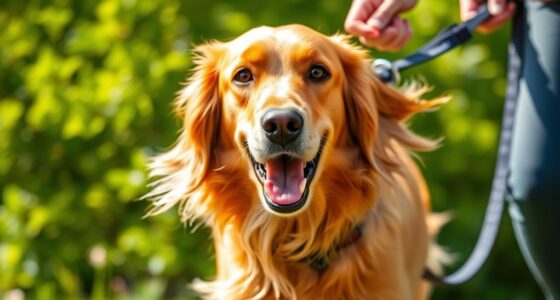

Your dog listens better indoors because there are fewer distractions, like birds or passing cars, that compete for their attention. Outside, external stimuli make it harder for your dog to focus and obey commands, especially in unfamiliar or noisy environments. Consistent training in diverse settings can help improve responsiveness outdoors. If you want to understand how to manage these distractions and boost your dog’s outdoor obedience, keep exploring these effective strategies.
Key Takeaways
- External distractions outdoors, like birds and passing vehicles, compete for your dog’s attention, reducing focus on commands.
- Indoor environments are calmer and more predictable, making it easier for dogs to concentrate and respond.
- Dogs often associate commands differently in varied settings; inconsistent training can hinder outdoor responsiveness.
- Limited exposure to distractions during training prevents overwhelm, helping dogs build confidence and focus outside.
- Reinforcing commands regularly in multiple environments ensures your dog understands and obeys both indoors and outdoors.

Many dog owners notice that their pets obey commands perfectly indoors but tend to ignore them outside. This difference often puzzles you, especially since your dog seems so responsive in the comfort of your home. The main reason for this discrepancy is the high distraction levels outdoors. Outside, there are countless stimuli—birds chirping, other dogs barking, cars passing by—that compete for your dog’s attention. These distractions make it harder for your dog to focus on your commands, even if they know them well. Inside, the environment is calmer, and fewer distractions allow your dog to concentrate entirely on you, making obedience easier.
Dogs often obey indoors but struggle outdoors due to numerous distractions competing for their attention.
To help your dog listen better outside, you need to contemplate the role of training consistency. If you haven’t established clear boundaries and practiced commands regularly in different environments, your dog might not fully understand that what works inside also applies outside. Consistent training involves practicing commands in various settings, gradually increasing distraction levels. When your dog learns that commands like “sit,” “stay,” or “come” mean the same thing no matter where they are, they’re more likely to obey outside as well. Consistency also helps reinforce good behavior, making it clear that commands aren’t just for the quiet indoors but are relevant everywhere.
You can start by gradually introducing outdoor training sessions, beginning in less stimulating areas like your backyard or a quiet park. Keep these sessions short and positive, and always reward your dog for obeying commands. Over time, as your dog gets used to the different distractions outside, you’ll notice they become more responsive. Remember, patience is key. Some dogs take longer to generalize commands across environments, but with steady practice, you’ll see improvement. Recognizing the importance of distraction management can significantly boost your training success outdoors. Additionally, understanding how to manage environmental stimuli can help your dog stay focused during training. Incorporating environmental awareness into your routine can also help your dog better navigate varying distraction levels. Being aware of distraction levels and how they influence your dog’s behavior allows you to tailor your training approach for better results. It’s also helpful to create a training hierarchy where you gradually increase the difficulty of distractions to build your dog’s confidence and focus.
It’s also vital to minimize the impact of distractions during training sessions. Use high-value treats that motivate your dog and keep their focus on you. Avoid calling your dog when they’re chasing after something exciting; instead, call them when they’re calm and paying attention. This way, they associate your commands with positive outcomes, even amidst external distractions. By maintaining consistent training routines and managing the distraction levels, you’re helping your dog understand that commands are just as important outside as they are inside.
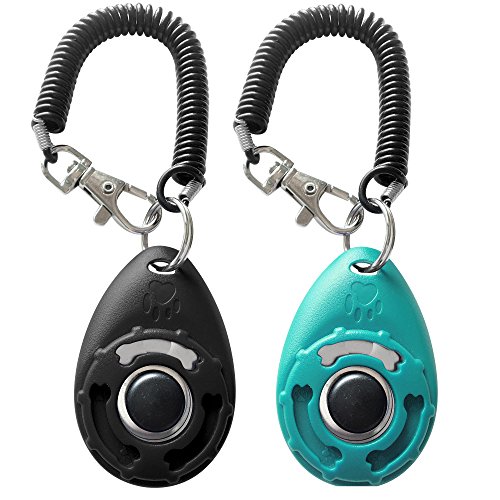
HoAoOo Pet Training Clicker with Wrist Strap – Dog Training Clickers (New Black + Blue)
Come in 2 pack button clickers with wrist strap in 2 different colors:Black, blue
As an affiliate, we earn on qualifying purchases.
As an affiliate, we earn on qualifying purchases.
Frequently Asked Questions
How Can I Train My Dog to Listen Better Outdoors?
To train your dog to listen better outdoors, start by practicing commands in controlled outdoor settings, gradually increasing distractions. Use consistent cues and rewards to reinforce good behavior, maintaining training consistency. Minimize indoor distractions during lessons, and gradually introduce outdoor elements as your dog improves. Keep sessions short, positive, and frequent. Over time, your dog will learn to focus and respond reliably outside, just like indoors.
Does Age Affect a Dog’s Outdoor Listening Ability?
Yes, age can affect your dog’s outdoor listening ability. As dogs age, they often experience age-related hearing decline, which reduces their outdoor hearing sensitivity. This makes it harder for them to pick up sounds outside, especially in noisy or busy environments. You might notice your older dog responds less promptly to commands outdoors. Regular check-ups and keeping their ears healthy can help maintain their outdoor hearing, but some decline is natural with age.
Are Certain Breeds More Responsive Outside Than Others?
Some breeds are more responsive outdoors due to breed behavior, which influences outdoor responsiveness. For example, herding and retriever breeds tend to listen better outside because they’re naturally alert and enthusiastic to please. Conversely, more independent breeds might ignore commands outside, focusing on their environment. Understanding your dog’s breed traits helps you tailor training and improve outdoor responsiveness, ensuring better communication and safety during outdoor activities.
What Role Does Scent Play in a Dog’s Outdoor Focus?
Scent plays a crucial role in your dog’s outdoor focus, guiding their attention through scent trails and olfactory cues. When outside, your dog’s nose becomes a powerful tool, often more compelling than your commands. These scent trails lead them on adventures, making communication more complex. To improve listening, you can help your dog learn to balance their natural scent-driven curiosity with your commands, creating a rewarding outdoor experience.
How Do Environmental Distractions Impact Outdoor Obedience?
Environmental distractions like noise interference and visual stimuli can considerably impact your dog’s outdoor obedience. These elements draw your dog’s attention away from commands, making it harder for them to focus on you. When outside, your dog’s senses are heightened, and they’re more likely to get distracted by cars, birds, or other animals. To improve listening, minimize these distractions during training and practice in various outdoor settings.

Jugbow Dog Shock Collar – 4500FT Dog Training Collar with Remote, IPX8 Waterproof Electric Dog Collar with 4 Training Modes, Security Lock, Rechargeable eCollar for 10-120lbs Small Medium Large Dogs
[4 Effective Training Mode – Recall & Correct Unwanted Dog Behavior] Featuring advanced Safe-Tech with 4 modes: Beep(1-8),…
As an affiliate, we earn on qualifying purchases.
As an affiliate, we earn on qualifying purchases.
Conclusion
Remember, dogs are like children—they focus best where they feel safe and familiar. When outside, distractions and unfamiliar scents can make it harder for your dog to listen. Keep training sessions consistent and positive, gradually introducing outdoor commands. Think of it as planting a garden; patience and care will help your dog grow into a well-behaved companion both indoors and out. With time, your dog will learn to listen wherever you are.

ChengFu Interactive Dog Toys, Crate Training Aids for Puppies, Reduce Stress Anxiety Peanut Butter Dog Food Treat Dispenser Toys
Food Dispenser Toy:Spread peanut butter on the ball, stuff the dog food inside the ball, then tie the…
As an affiliate, we earn on qualifying purchases.
As an affiliate, we earn on qualifying purchases.
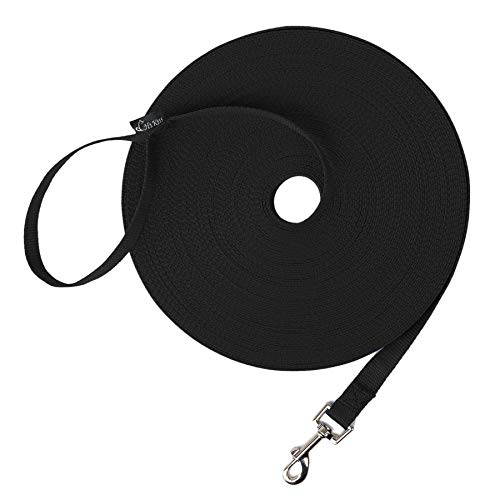
Hi Kiss Dog/Puppy Obedience Recall Training Agility Lead – 15ft 20ft 30ft 50ft 100ft Training Leash – Great for Play, Camping, or Backyard – Black 20ft
Dimensions – This dog leash measures 3/4in wide by 20 feet long. Great for hiking, camping, training, hunting,…
As an affiliate, we earn on qualifying purchases.
As an affiliate, we earn on qualifying purchases.