Building confidence on unstable surfaces is key to your sport dog’s success and safety. Start by evaluating your dog’s comfort and balance, then introduce surfaces gradually with positive reinforcement. Play fun games and exercises that challenge their stability and focus, gradually increasing difficulty. Overcoming fear takes patience, consistent effort, and trusting your training techniques. Keep integrating these confidence-building steps into your routine, and you’ll help your dog become reliable and fearless on any surface—stay with us to learn more.
Key Takeaways
- Building confidence through positive reinforcement encourages dogs to explore and adapt to unstable surfaces.
- Regular assessment of balance, posture, and movement helps identify confidence levels and areas needing improvement.
- Gradual exposure to varied textures and stability challenges enhances surface trust and reduces hesitation.
- Incorporating structured confidence exercises like balance beams and focus games strengthens mental resilience.
- Patience and consistent, positive training techniques are essential to overcoming fear and fostering surface adaptation.

Dog Balance Disc 14", Dog Balance Equipment with Cushion and Pump, Pet Training Platform for Pet Rehabilitation Training, Strength Train Stability, Suitable for Small Medium-Sized Pets (Purple, 14 in)
【Professional-grade canine rehabilitation and all-around training tool】This high-strength PVC balance disc, designed specifically for dogs, not only supports…
As an affiliate, we earn on qualifying purchases.
As an affiliate, we earn on qualifying purchases.
Why Confidence Is the Key to Your Sport Dog’s Success
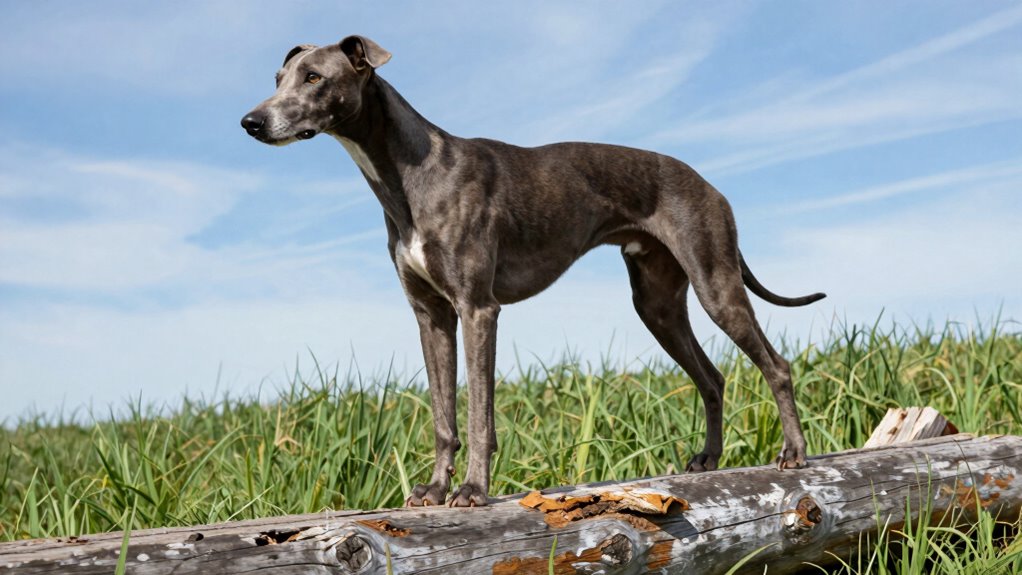
Confidence is the foundation of your sport dog’s success, especially when maneuvering unstable surfaces. When your dog trusts its abilities, it’s more likely to engage confidently in challenging environments. Confidence building is essential for surface adaptation, helping your dog overcome fear and hesitation. Practicing positive reinforcement consistently reinforces your dog’s trust and encourages courageous exploration. As your dog gains confidence, it learns to trust its balance and coordination, making it easier to navigate unstable surfaces like balance beams or wobble boards. This trust reduces distractions and increases focus during training and competitions. Remember, a confident dog approaches unfamiliar or unstable surfaces with curiosity rather than fear. Incorporating appropriate training techniques can further enhance your dog’s ability to tackle unstable surfaces effectively. Developing your dog’s confidence through controlled exposure allows for steady progress and builds resilience in unpredictable settings.

Amazon Basics Wood Wobble Balance Trainer Board, Slip Resistant, for Exercise and Core Strength, 265 lb Weight Capacity, Black
Black balance board can help improve core strength, coordination, posture, and balance
As an affiliate, we earn on qualifying purchases.
As an affiliate, we earn on qualifying purchases.
How to Assess Your Dog’s Comfort and Balance
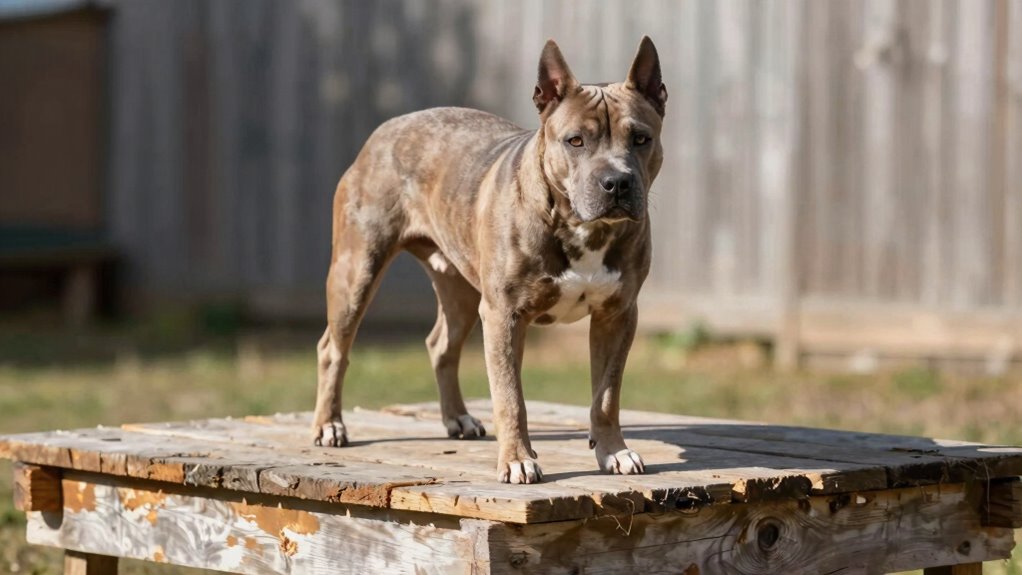
To assess your dog’s comfort and balance, start by observing their stance and posture for signs of stability or hesistation. Next, gently test how they react on different surfaces to see if they show confidence or discomfort. Keep an eye on their movement and overall confidence to identify areas where they may need support or training. Additionally, paying attention to their trust in surfaces can help determine their level of comfort and balance. Recognizing vulnerabilities in devices can also inform you about potential risks your dog may encounter on unfamiliar or unstable terrains. Being aware of vintage or heritage-style features in your environment can further help you anticipate and mitigate hazards that might affect your dog’s stability. Understanding electric dirt bike horsepower can serve as a metaphor for evaluating a dog’s strength and agility on various terrains, ensuring they are physically prepared for different challenges.
Observe Stance and Posture
Have you ever wondered how your dog’s stance reveals their comfort and balance on unstable surfaces? Observing their stance and posture is key to understanding their confidence. During stance evaluation, look for signs of stability, such as evenly distributed weight and relaxed limbs. Notice if they lean too far forward or backward, which might indicate discomfort. A balanced posture shows engagement without tension, while poor posture suggests the need for posture correction. Keep an eye on their paws—are they gripping or slipping? Watch for a stiff or lopsided stance that could signal imbalance. By appraising these cues, you can identify areas for improvement and help your dog build trust and stability on unstable surfaces. Confidence begins with a solid, well-aligned stance. Proper stance and posture are essential components of natural movement and balance in free-floating environments.]
Test Surface Reactions
Testing your dog’s reaction to different surfaces is essential for evaluating their comfort and balance. Begin with traction testing by observing how well your dog grips various textures, such as grass, gravel, or rubber mats. Notice if they hesitate, slip, or seem confident in their footing. Pay close attention to surface texture and how it impacts their stability—smooth surfaces may cause more slipping, while rough textures can provide better grip. Gently encourage your dog to walk or pause on each surface to assess their comfort level. If they show signs of hesitation or imbalance, it signals the need to gradually build their confidence on that texture. This process helps identify surfaces that challenge their traction and allows you to tailor training to improve their stability. Incorporating energy-efficient training tools can further support your efforts in creating a safe and comfortable environment for your dog on various surfaces. Additionally, understanding the importance of proper surface assessment helps in designing effective training routines that enhance their overall confidence and safety. Recognizing thermal behavior and how different surfaces retain or dissipate heat can also inform your approach to training and safety, especially in outdoor environments. Being aware of the surface texture and its influence on traction can make a significant difference in preventing slips and injuries during outdoor activities.
Monitor Movement and Confidence
Observing how your dog moves across different surfaces provides valuable insight into their comfort and balance. Pay attention to their foot placement—steady, deliberate steps indicate confidence, while hesitations suggest discomfort. Notice muscle engagement; a confident dog will have smooth, controlled movements with well-activated muscles supporting stability. Look for signs of overcompensation, such as limping or shifting weight, which may signal imbalance. Assess their ability to maintain a steady gait without excessive wobbling or slipping. Monitoring these cues helps you gauge their readiness for more challenging surfaces and tailor training accordingly. Incorporating movement analysis and real-time feedback can further enhance their progress and safety. Recognizing energyLast can also help you optimize their training by ensuring their energy levels are appropriate for the activity. Paying attention to their posture and alignment can provide additional clues about their overall comfort and physical health.

JMMPOO Dog Agility Training Equipment, 60-Piece Dog Obstacle Course Training Starter Kit Pet Outdoor Game with Tunnel, Agility Hurdle, Weave Poles, Jump Ring, Pause Box, Toy Balls and Storage Bag
UNIQUE & HEALTH: Running, jumping, playing, and most of exercising for maximum dog agility. Whether training for competition…
As an affiliate, we earn on qualifying purchases.
As an affiliate, we earn on qualifying purchases.
Simple Steps to Safely Introduce Unstable Surfaces
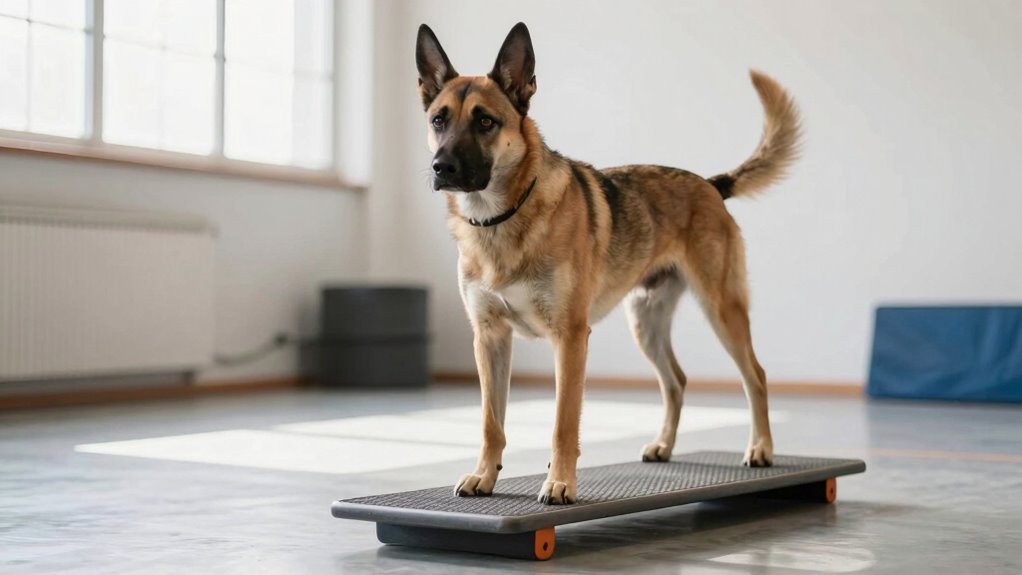
Introducing unstable surfaces gradually is essential for building confidence and ensuring safety. Start by choosing a stable, non-slip surface to set your dog up for success. Begin with low, firm platforms or mats to introduce the concept of surface safety without overwhelming your canine agility efforts. Use treats and praise to encourage calmness and curiosity. Once your dog feels comfortable, slowly progress to more unstable surfaces like balance pads or wobble boards, always monitoring their reaction. Keep sessions short and positive, avoiding pressure or forced participation. Incorporating the right kitchen tools can help you manage training sessions more effectively. Consistent, gentle exposure helps your dog understand that new surfaces are safe and manageable. Utilizing training techniques that promote patience and confidence can enhance your dog’s comfort on unstable surfaces. Additionally, understanding dog behavior related to new challenges can help tailor your approach for better results. Patience and gradual progression are key to developing confidence and ensuring your dog’s safety on any unstable surface. Incorporating positive reinforcement strategies further supports your dog’s trust and willingness to explore new challenges confidently.

Brightkins Smarty Pooch Training Clicker: Bone – 1 Piece, Enrichment Dog Training and Obedience Games, Interactive Gift for Puppies
Add Style to Clicker Training: Available in three fun designs, these dog training clickers let you show off…
As an affiliate, we earn on qualifying purchases.
As an affiliate, we earn on qualifying purchases.
Fun Games and Exercises to Boost Confidence and Focus
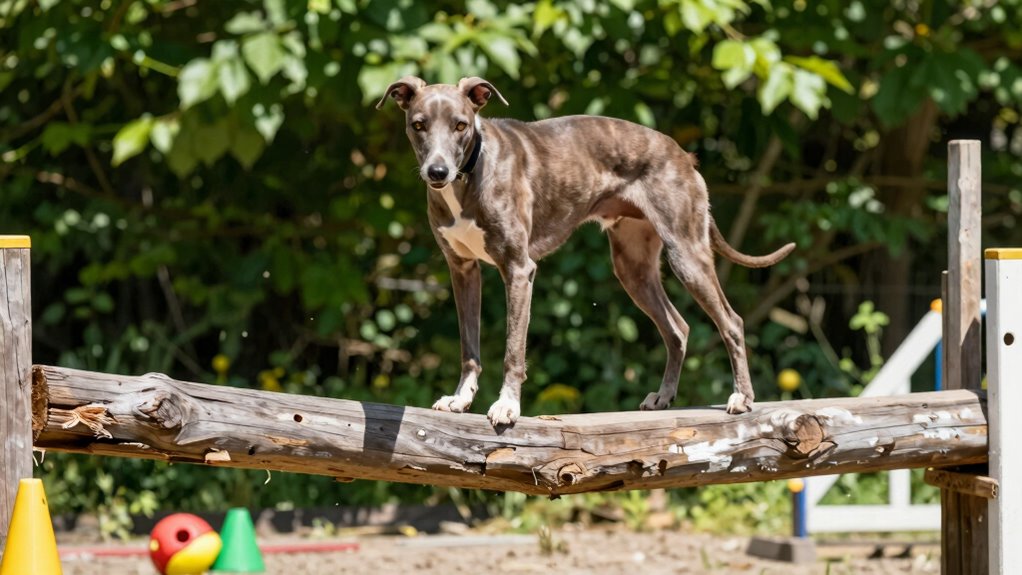
Ready to build confidence while having fun? Balance beam challenges and targeted focus games are perfect for improving your stability and concentration. These exercises keep you engaged and help you stay confident on unstable surfaces. Incorporating mindfulness techniques can further enhance focus and reduce anxiety during these activities. Practicing these methods regularly can also strengthen your mental resilience, making it easier to stay composed in challenging situations.
Balance Beam Challenges
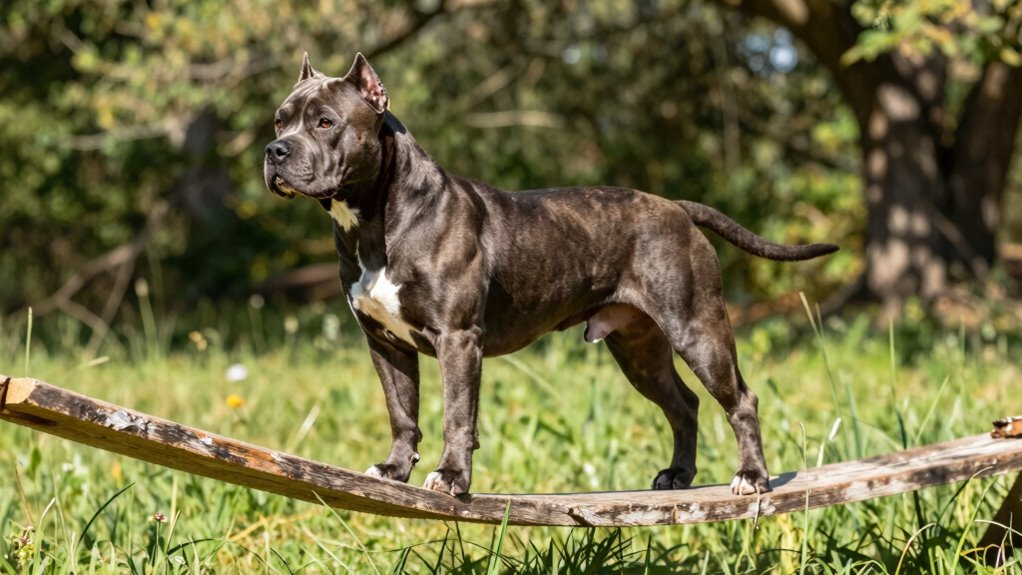
Balancing on a narrow beam might seem intimidating at first, but turning it into fun games can considerably boost your confidence and focus. Incorporate balance training by encouraging your dog to walk across beams of different widths and surfaces. Surface variety challenges their adaptability and keeps training engaging. To make it more fun, try these activities:
- Walks with distractions or treats along the beam
- Balance exercises on uneven or textured surfaces
- Moving targets to encourage focus while on the beam
- Shifting from different surface types to improve surface variety skills
These challenges help your dog develop stability and trust in unstable conditions. By gradually increasing difficulty, you reinforce confidence and improve their ability to stay centered on narrow, unstable surfaces.
Targeted Focus Games
Targeted focus games are essential tools for building your dog’s confidence and attention, especially in challenging environments. These fun exercises enhance their focus through activities like agility training and scent work, which mimic real-world situations. By practicing commands in different settings, your dog learns to stay attentive despite distractions. To illustrate, consider this table:
| Activity | Purpose |
|---|---|
| Scent work | Builds confidence using nose skills |
| Target training | Improves focus on specific cues |
| Agility drills | Boosts coordination and trust |
These games help your dog stay engaged and confident on unstable surfaces, making them better prepared for sport and everyday challenges. Consistent practice ensures your dog becomes reliable, focused, and confident in any environment.
Common Challenges and How to Overcome Fear
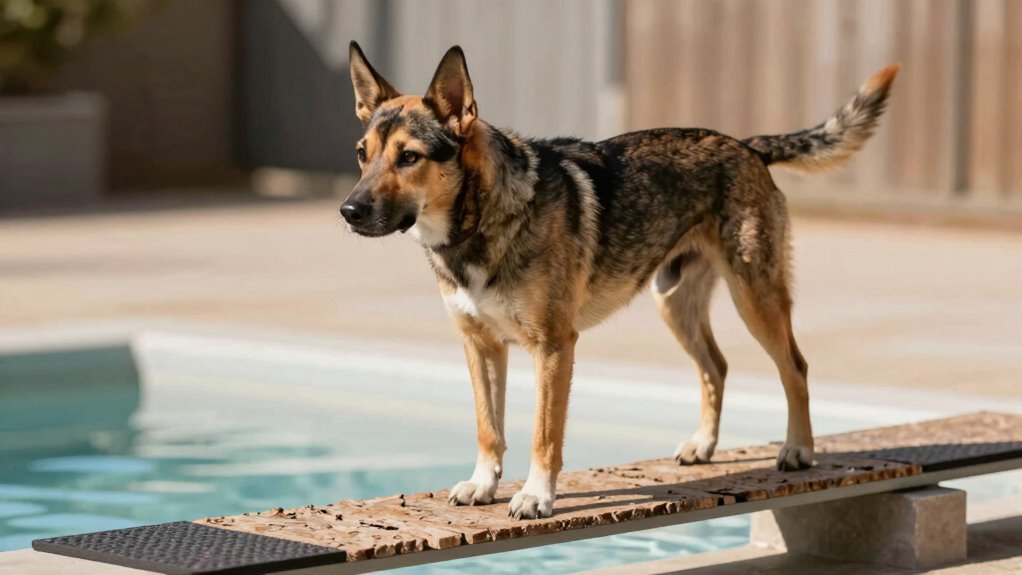
Facing the fear of falling or losing your footing on unstable surfaces is a common challenge that can hold you back from building confidence. To overcome this, effective fear management is essential. Start by understanding that surface adaptation takes time and patience. Focus on gradual exposure, practicing on less challenging surfaces before progressing. Use positive reinforcement to build trust and reduce anxiety. Remember, your mindset plays a crucial role in overcoming fear; stay calm and patient. Techniques like deep breathing can help manage immediate fear responses. Consistent, small successes reinforce confidence and diminish fear over time. Embrace the process, knowing that persistence leads to better surface adaptation and a more confident, balanced dog. Your commitment to overcoming these challenges will pay off.
Making Confidence Building Part of Your Regular Training Routine
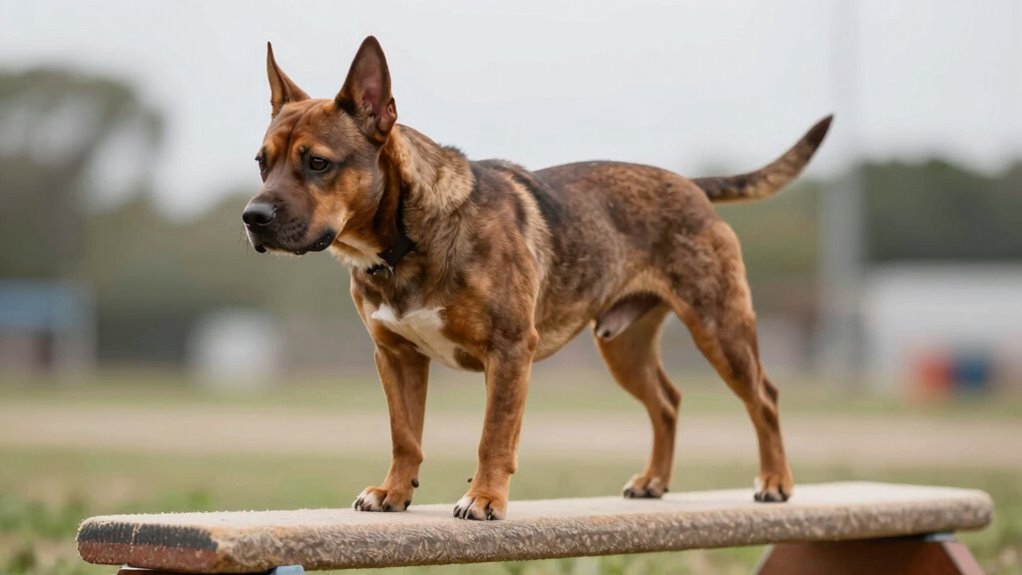
Integrating confidence-building exercises into your daily training routines guarantees that your dog steadily gains trust and stability on unstable surfaces. Make confidence exercises a consistent part of your dog agility sessions, gradually increasing difficulty to prevent overwhelm. Use simple activities like stepping onto low platforms or balancing on beams to reinforce trust. Repetition helps your dog become comfortable and confident, reducing fear during competition or real-world situations. Incorporate positive reinforcement to motivate your dog and build a positive association with each exercise. Keep sessions short and frequent, focusing on progress rather than perfection. Over time, these routines develop your dog’s resilience, ensuring they approach unstable surfaces with confidence, which is essential for success in sport and everyday life.
Frequently Asked Questions
How Long Does It Typically Take for a Dog to Gain Confidence on Unstable Surfaces?
It usually takes your dog a few weeks to gain confidence on unstable surfaces, but this varies with surface stability and individual temperament. Consistent, positive exposure helps build their confidence duration over time. You should see progress within 2-4 weeks, but patience is key. Keep training sessions short and encouraging, and gradually increase difficulty to make sure your dog feels secure and confident on all surfaces.
Can Confidence Training on Unstable Surfaces Improve Overall Obedience?
Confidence training on unstable surfaces can definitely boost your dog’s overall obedience. Think of it like building a sturdy foundation for a house—gradual exposure and positive reinforcement strengthen your dog’s trust in themselves. I saw a shy retriever become more attentive after consistent balance exercises, which translated into better responses during commands. When you focus on patience and praise, your dog learns to stay calm and responsive in various situations.
Are Certain Breeds More Prone to Fear on Unstable Surfaces?
Yes, some breeds are more prone to fear on unstable surfaces due to breed tendencies and genetic predispositions. For example, smaller or more sensitive breeds might naturally feel less confident in such environments. You’ll notice that breed traits influence how comfortably your dog handles unstable surfaces. To help, tailor your training to your dog’s breed tendencies, gradually building their confidence and ensuring they feel secure during exercises.
What Signs Indicate a Dog Is Overstressed During Confidence Exercises?
You’ll notice your dog is overstressed during confidence exercises if their body language cues include tucked tail, stiff posture, or pinned-back ears. Vocalizations like whining, barking, or heavy breathing also indicate discomfort. If your dog shows these signs, it’s essential to pause, offer reassurance, and reduce the difficulty level. Watching for these cues helps you make certain your dog remains engaged and confident without becoming overwhelmed.
How Can I Tailor Confidence-Building Activities for Different Dog Ages?
You can tailor confidence-building activities by selecting age-appropriate activities and breed-specific approaches. For puppies, focus on gentle, fun exercises that build trust, while older dogs benefit from more complex challenges. Adjust activities based on breed traits and energy levels. If you think your dog’s too overwhelmed or bored, modify the intensity to keep them engaged and confident. Remember, patience and observation help you customize effectively.
Conclusion
Building confidence on unstable surfaces is essential for your sport dog’s success and safety. Did you know that dogs trained on varied terrains are 30% more adaptable during competitions? By evaluating your dog’s comfort, introducing exercises gradually, and making confidence-building part of your routine, you’ll help them stay focused and fearless. Keep patience and consistency in mind—your effort will pay off with a confident, balanced, and ready-to-perform sport dog.