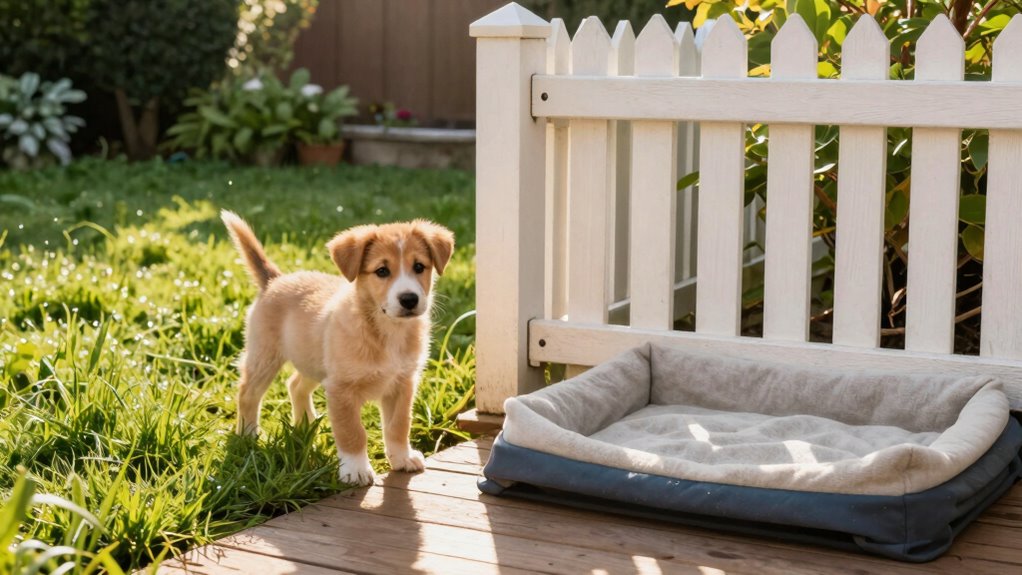

To shift your puppy from pads to outdoor toileting, establish a consistent routine by taking them outside at specific times, like after meals, play, and naps. Use clear cues such as “Go potty” and praise enthusiastically when they go outside. Avoid switching back and forth with indoor pads to prevent confusion, and thoroughly clean any indoor accidents to remove scents. With patience and persistence, you’ll help your pup learn this new habit—continue to discover effective tips to make it smoother.
Key Takeaways
- Gradually reduce indoor pad usage while increasing outdoor bathroom times to ease the transition.
- Use consistent commands like “Go potty” outdoors to establish clear cues.
- Praise and reward immediately when the puppy eliminates outside to reinforce the new routine.
- Keep outdoor toileting routines consistent and aligned with previous indoor schedule.
- Clean indoor accidents thoroughly to eliminate scent cues that attract the puppy back inside.
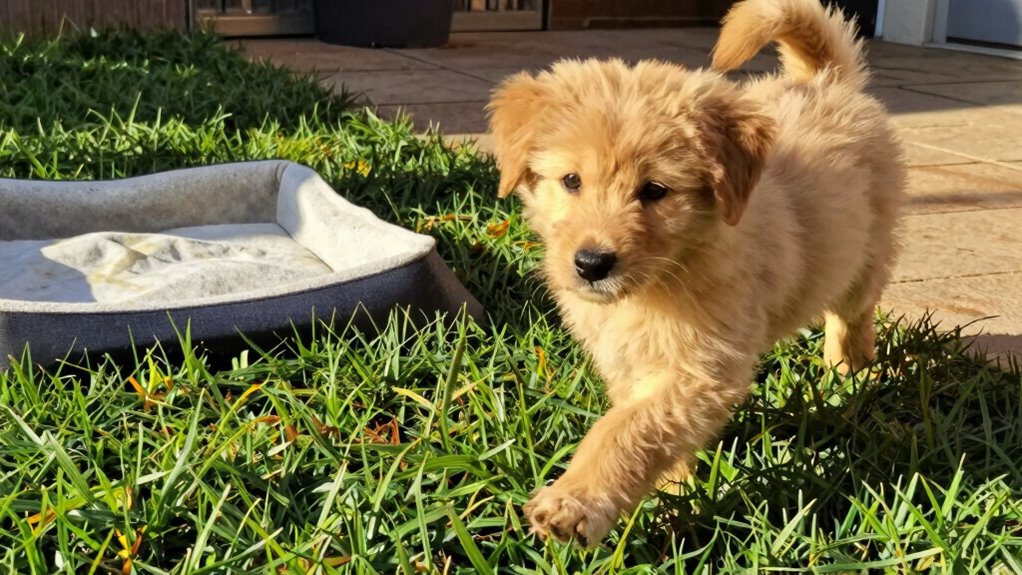
Are you wondering how to smoothly shift your puppy from using pads indoors to outdoor toileting? The key lies in maintaining training consistency and leveraging crate training effectively. As you make this transition, you’ll want to establish clear routines that your puppy can rely on. Consistency is crucial because it helps your puppy understand what’s expected and reduces accidents. Begin by setting specific times each day for outdoor bathroom breaks, such as after meals, playtime, and naps. Stick to these schedules diligently so your puppy starts associating certain times with outdoor toileting. Avoid giving mixed signals; don’t let your puppy use pads indoors while encouraging outdoor elimination. This inconsistency can confuse them and delay progress.
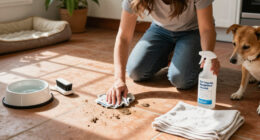
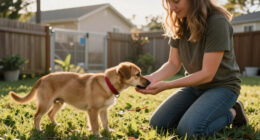
Crate training plays a pivotal role in this process. Your puppy’s crate should be a safe, comfortable space where they learn to hold their bladder and bowels. When your puppy is in the crate, they’re less likely to eliminate, which reinforces the idea that the crate is a private space, not a bathroom. Use the crate strategically by placing your puppy inside during times when they’re most likely to have an accident, such as after eating or playing. When you take them outside, wait for them to go, praising enthusiastically when they do. This positive reinforcement helps your puppy connect outdoor toileting with good experiences. Incorporating environmentally friendly cleaning products can also support a sustainable living approach while training. Additionally, understanding the importance of consistent cues can significantly improve training outcomes. Using the same command or cue each time you take your puppy outside to do their business, like “Go potty” or “Do your business,” creates a clear signal. Over time, your puppy will associate the command with the action, making future training smoother. Remember that patience and persistence are essential, especially during setbacks. If your puppy has an accident inside, clean it thoroughly to remove any scent that might attract them back to the same spot. Never punish your puppy for indoor accidents; instead, calmly redirect them outside and praise them when they go where they should. Recognizing training consistency as a fundamental element can also help maintain progress throughout the process.
As an affiliate, we earn on qualifying purchases.
Frequently Asked Questions
How Long Does the Transition Typically Take?
The shift typically takes about 4 to 6 weeks, depending on your puppy’s age and consistency. During house training, you should gradually move from puppy pads to outdoor routines, reinforcing outdoor toileting after meals, play, and naps. Be patient and consistent, rewarding your puppy for going outside. Some puppies adapt faster, but regular practice and positive reinforcement are key to making the change smooth and successful.
What if My Dog Refuses to Go Outside?
When your dog refuses to go outside, it’s like trying to persuade a stubborn leaf to dance in the wind. You should consider indoor training and puppy pad alternatives to ease their adaptation. Gently encourage, offer treats, and create a positive environment outside. Sometimes, patience and consistency turn resistance into routine, making outdoor toileting second nature for your furry friend. Keep at it; progress often comes with time.
Are There Specific Training Techniques for Outdoor Toileting?
Yes, there are specific training techniques for outdoor toileting. You should establish a consistent schedule, taking your dog outside frequently, especially after meals and naps. Use crate training to reinforce the idea that the crate is a safe space and not a place for accidents. When your dog goes outside, praise and reward immediately to encourage outdoor habits, reducing indoor accidents and helping the shift seamlessly.
How Do I Handle Accidents During the Transition?
Did you know that puppies have a 75% success rate when crate training, yet accidents happen? To handle indoor accidents during the changeover, stay calm and avoid punishment. Clean the area thoroughly to remove odors, which discourage repeat incidents. Reinforce crate training to establish routines, and be patient. Consistent supervision and positive reinforcement help your pup learn outdoor toileting, reducing indoor accidents over time.
What Supplies Are Essential for Outdoor Toileting?
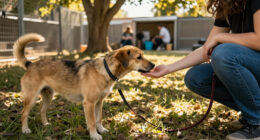
You’ll need a sturdy leash, a designated outdoor spot, and waste bags for cleanup. Keep a consistent training schedule to reinforce outdoor habits and gradually reduce indoor accidents. Using treats and praise helps your dog associate outdoor toileting with positive experiences. Be patient and persistent, especially during the changeover, and make certain you carry everything needed to maintain a smooth routine that discourages indoor habits and encourages outdoor success.
Conclusion
As you watch your pup confidently exploring the fresh grass beneath their paws, you realize the journey from puppy pads to outdoor toileting has blossomed into a beautiful new chapter. The scent of blooming flowers mingles with the crisp air, replacing the sterile smell of pads. Your furry friend’s joyful, paws-pressed dance on the dewy morning grass signals a freeing independence. This outdoor space becomes their sanctuary, where every step is a confident stride into a cleaner, happier future together.