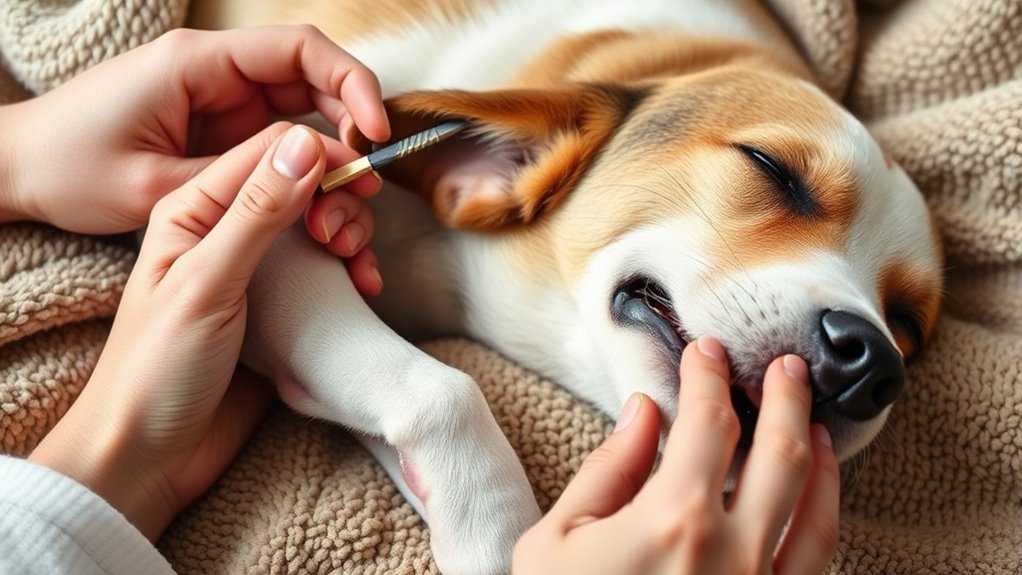

To handle your pet’s paws, ears, and teeth without drama, start by gently introducing touch during calm moments, rewarding with treats and praise. Break each task into small steps and never rush or force them, gradually increasing approval and comfort. Stay patient, calm, and consistent, making routines positive and stress-free. Over time, your pet will associate handling with good experiences. Keep going, and you’ll discover simple ways to make these routines easier for both of you.
Play games included with Prime
Start a Prime free trial and play with Amazon Luna on your devices.
As an affiliate, we earn on qualifying purchases.
Key Takeaways
- Use positive reinforcement like treats and praise to create calm associations during handling.
- Gradually introduce touch to paws, ears, and mouth in short, consistent sessions to build trust.
- Proceed slowly and patiently, avoiding force or rushing to prevent stress or resistance.
- Keep routines calm and predictable, maintaining a patient and positive attitude throughout.
- Recognize setbacks as normal, and focus on short, frequent sessions to foster comfort without drama.
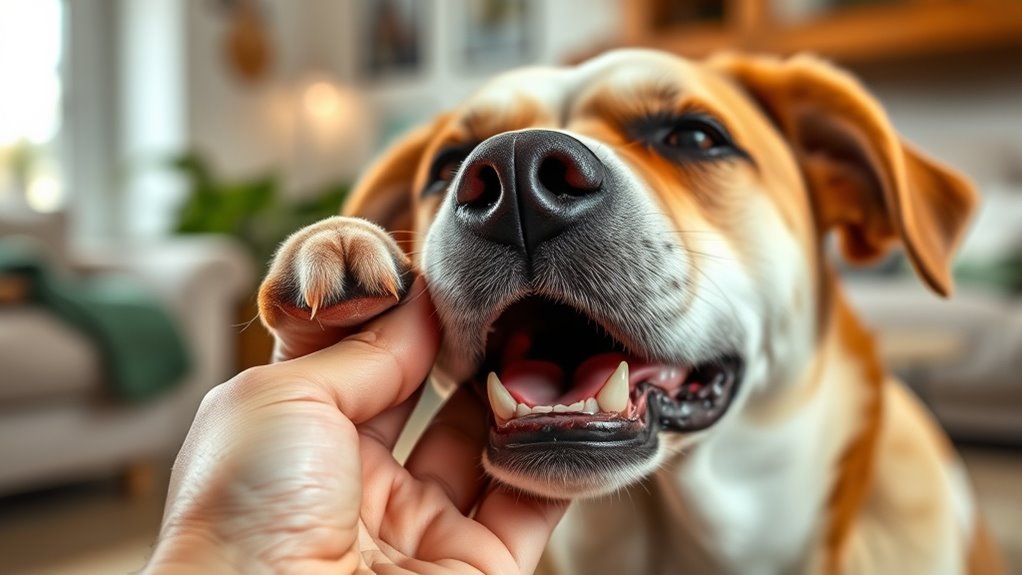
Habits shape much of your daily life, often operating beneath your conscious awareness. This is especially true when it comes to handling your pet’s paws, ears, and teeth. Many pet owners find these areas tricky because they’re sensitive and can provoke resistance if not approached carefully. But with patience and consistency, you can make these handling routines stress-free for both of you. The key is to break down each task into small, manageable steps that your pet can learn to tolerate without fear or discomfort.
Start by getting your pet comfortable with your touch. Gently touch their paws during calm moments, offering treats and praise to create positive associations. Avoid rushing—if your pet pulls away or shows signs of discomfort, stop and try again later. Over time, increase the duration and frequency of these touch sessions, always rewarding patience and calm behavior. When it’s time to handle their ears, proceed slowly. Gently touch and massage around the ear area first, then gradually introduce the idea of touching inside the ears. Use treats and soothing words to reinforce a relaxed response. Remember, never force their ears open or insert anything without veterinary guidance. Your goal is to make the experience predictable and non-threatening, not to intimidate. Building trust is essential for successful handling routines.
Get your pet comfortable with gentle touch, treats, and patience to build trust and ease handling of paws and ears.
Handling teeth can be particularly sensitive, but building a routine gradually helps. Start with simple, gentle touch around your pet’s mouth, offering treats for calmness. Use a soft cloth or finger brush to simulate brushing, and do so in short sessions. If your pet resists, don’t punish or force—they’ll learn to accept it over time. Consistency is critical. Incorporate teeth brushing into your daily routine, making it a normal part of life rather than a stressful event. Use pet-friendly toothpaste and praise your pet for their cooperation. Over time, this routine can prevent dental issues and strengthen your bond.
Throughout all these routines, your attitude matters more than anything. Stay calm, patient, and positive. Your pet picks up on your energy, so if you’re tense or frustrated, they’ll mirror those feelings. Consistent handling, combined with gentle praise and treats, breeds familiarity and trust. Remember, your pet’s reactions are part of their learning process, and setbacks are normal. Keep sessions short, frequent, and positive, and your pet will gradually become comfortable with paws, ears, and teeth handling. Over time, what once was a challenge becomes just another routine you both share without drama.
pet grooming brush for teeth and gums
As an affiliate, we earn on qualifying purchases.
As an affiliate, we earn on qualifying purchases.
Frequently Asked Questions
How Can I Prevent My Pet From Biting During Handling?
To prevent your pet from biting during handling, start by gently desensitizing them with positive reinforcement. Gradually get them used to touch by offering treats and praise when they stay calm. Keep sessions short and consistent, always watching for signs of discomfort. If they do bite, calmly stop and give them space. Over time, your pet will associate handling with positive experiences, reducing the likelihood of biting.
What Are Signs My Pet Is Stressed When Handled?
Think of your pet as a ticking clock—when they’re stressed, it’s like the hands are moving faster. You might notice yawning, lip licking, or tail twitching, which signal discomfort. If they try to pull away or growl, it’s a clear sign they’re overwhelmed. Stay attentive to these cues, and give your pet space to relax. Recognizing stress early helps you handle them gently and build trust.
How Often Should I Check My Pet’s Paws and Ears?
You should check your pet’s paws and ears weekly to make certain they’re healthy. Regular inspections help you catch issues like cuts, swelling, dirt, or infection early. During each check, look for redness, unusual odors, or debris. Gently handle their paws and ears to get comfortable with the process. Consistent routine checks keep your pet relaxed and prevent small problems from becoming bigger concerns.
Are There Specific Tools to Make Handling Easier?
Yes, there are specific tools that make handling paws, ears, and teeth easier. Use a gentle brush or grooming glove for paws, ear cleaning solutions with soft applicators, and dog-specific toothbrushes or finger brushes for teeth. These tools help you manage your pet’s sensitive areas calmly and safely. Always choose age-appropriate, quality tools, and introduce them gradually to reduce stress and build trust during handling sessions.
How Do I Introduce Handling to a Nervous Pet?
Think of introducing handling as gently opening a window in a stuffy room. Start slowly, offering treats and praise to build trust. Gradually touch paws, ears, and teeth, keeping sessions short and positive. Watch your pet’s cues and back off if they show signs of stress. With patience, you’ll help them see handling as a breeze rather than a storm, turning nervousness into calm confidence.
Conclusion
By developing gentle handling habits, you’ll create a trusting bond with your pet. Did you know that 85% of dogs that are regularly handled calmly show fewer behavior issues? Consistent, positive experiences with paws, ears, and teeth help prevent stress and make vet visits easier. Keep practicing patience and gentle touches—your pet will thank you with a happier, healthier life. Building these habits now sets the foundation for a lifetime of calm, confident handling.
Fall yard work Picks
leaf blowers
As an affiliate, we earn on qualifying purchases.