TL;DR

Get pet supplies delivered free with Prime
- Fast, free delivery on millions of items
- Prime Video, Amazon Music and more included
- Member-only deals all year
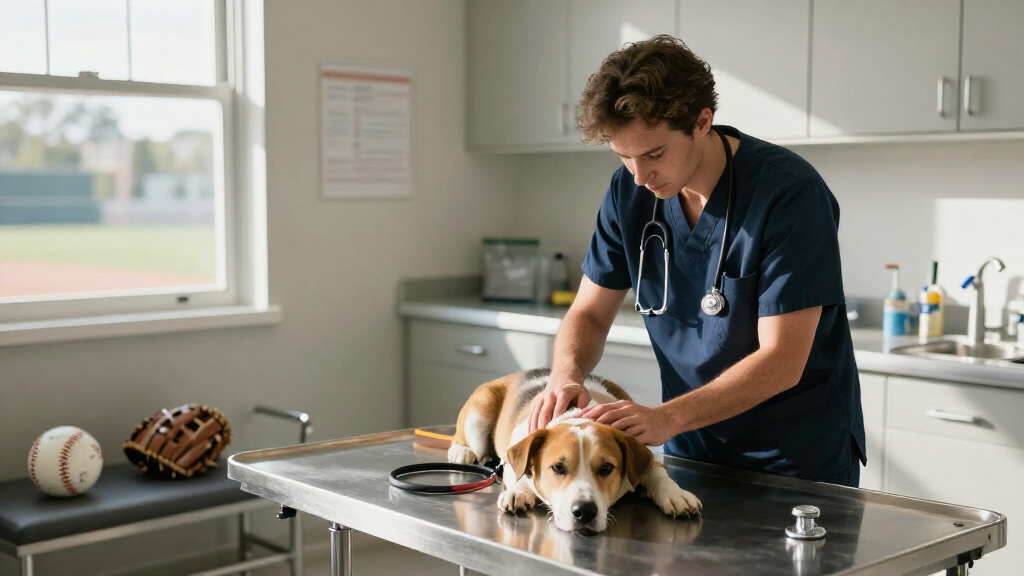
A veterinarian’s first-person essay describes how umpiring baseball from his mid-teens through college and veterinary school influenced his work in practice. He draws parallels between making unpopular calls and clinical decisions, allowing enough time for care, and maintaining professional judgment when clients arrive with a preferred diagnosis or treatment.
A veterinarian has described how years of baseball umpiring, beginning in his mid-teens and continuing through college and veterinary school, shaped his approach to clinical decisions, appointment time and client relationships. In a first-person article for Veterinary Practice News, he argues that the emotional pressure of making calls on the field has useful parallels with veterinary work, where clients may question a diagnosis or treatment plan.
The writer says he umpired while also playing baseball and held the work alongside other jobs during his education. He credits that experience with influencing his views on professional relationships and his management approach as a practice owner. The article presents these connections as personal lessons, rather than research findings or formal guidance for the profession.
One parallel is the need to make decisions that may not be popular. An umpire makes rapid calls about pitches and runners, knowing that spectators may see the play differently or have a personal stake in the outcome. The veterinarian says similar tension can arise when clients challenge a diagnosis or hear recommendations about matters such as weight management and dental health. He links sound decisions to training, experience and taking steps to get the best view of the case.
The writer also says veterinary teams should not assume that every case will fit a scheduled appointment slot. A patient’s needs may require more time, additional diagnostics or a return visit, he writes, while acknowledging that work and other commitments can make repeat visits difficult for clients. A third lesson concerns clinical authority: in the example given, a client arrives requesting treatment based on a suspected diagnosis, but the veterinarian says the animal must first be examined and its needs established.
Lessons for Veterinary Decisions
The article speaks to practical pressures in veterinary care: client disagreement, limited appointment time and requests for specific treatment. Its central point is that clinical judgment should not be replaced by pressure to satisfy a client’s initial expectation or to finish a case within a predetermined slot. The author also recognizes a countervailing concern: adding time or arranging follow-up can be difficult for clients who must manage work and other responsibilities.
For readers, the baseball comparison offers a way to understand why professional decisions can draw criticism even when they are made with care and experience. The author does not suggest that veterinarians are always right; he says their preparation and positioning can improve the chance of making a correct call. The piece is a personal reflection, not evidence that umpiring experience improves veterinary outcomes.
Products Worth Considering

Dyson Ball Animal 3 Extra Upright Vacuum

Dyson V16 Piston Animal Cordless Vacuum

PETLIBRO Granary 2 Wi-Fi Automatic Pet Feeder with Smart Scale, 5L
As an affiliate, we earn on qualifying purchases.
From the Diamond to Practice
The writer’s account begins with a long involvement in baseball. He says he started umpiring in his mid-teens while playing and continued the work through college and veterinary school. He connects the experience with later responsibilities in veterinary medicine and practice ownership.
The source article organizes its reflections around three situations: receiving criticism after a call, not knowing how long a game—or appointment—will take, and keeping control of decisions when others have strong opinions. The supplied report ends during its example of a client requesting care for a sick puppy; it does not include the outcome of that case. No independent data or additional sources are provided in the material.
Limits of the Published Account
The material provides one veterinarian’s perspective and does not identify him by name in the supplied text. It gives no publication date, practice location or outcome for the sick-puppy example, which cuts off before the case is resolved. It is also unclear whether the writer’s recommendations reflect wider veterinary guidance; the article, as provided, cites no studies or other experts.
No Further Developments Reported
The source material reports no follow-up announcement, policy change or planned professional action. The development is the publication of the veterinarian’s reflection itself. Readers seeking the full account can consult the Veterinary Practice News article; the supplied excerpt does not establish what happened in the puppy case or whether the author’s views were later discussed by other practitioners.
Key Questions
What is the article about?
It is a veterinarian’s first-person account of how baseball umpiring influenced his thinking about clinical judgment, appointment timing and client interactions.
What is the main comparison between umpiring and veterinary medicine?
The writer says both roles can involve decisions made under pressure that others may dispute. He compares contested calls on the field with clients questioning a diagnosis or recommendation.
Does the article say every veterinary appointment should run longer?
No. The writer says cases do not always fit their scheduled slots and that teams may need to make arrangements for more time, diagnostics or follow-up. He does not call for a fixed appointment length.
Does the supplied report explain the puppy’s diagnosis or outcome?
No. The source excerpt ends while describing a client who requested treatment for a sick puppy, before giving the diagnosis or outcome.
Source: veterinarypracticenews.com