
TL;DR
San Antonio fire stations are now offering free, 24/7 microchip scanning services for lost pets. The initiative aims to quickly identify and reunite pets with owners, potentially reducing pet abandonment and improving community safety.
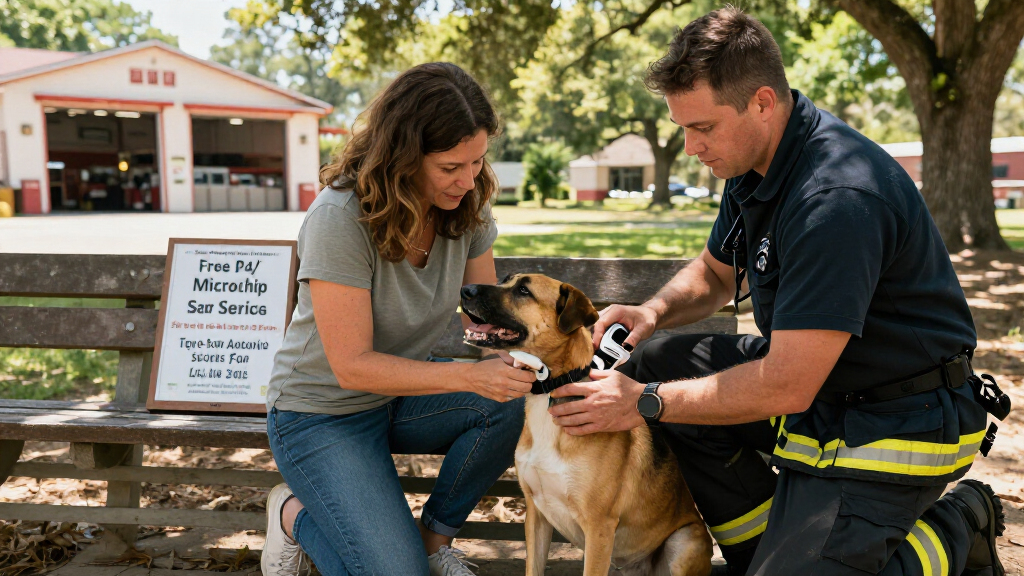
San Antonio fire stations are now offering **free, 24/7 microchip scans** for lost pets, providing a new resource for pet owners and animal advocates. The initiative, launched in recent weeks, aims to facilitate quick identification and reunification of lost animals with their owners, addressing a common challenge in pet recovery efforts and strengthening community safety. You can learn more about San Antonio Pets Alive! efforts to help pets in need.

Get pet supplies delivered free with Prime
- Fast, free delivery on millions of items
- Prime Video, Amazon Music and more included
- Member-only deals all year
The program was announced by the San Antonio Fire Department (SAFD) after consultations with local animal rescue groups and veterinary organizations. Fire stations across the city are equipped with handheld microchip scanners that can detect microchips embedded in pets, regardless of the time of day or night. For more on pet fostering programs, see Foster 101 classes. The service is available free of charge to any pet owner or member of the public who brings a lost animal to a fire station.
According to SAFD spokesperson Maria Lopez, the initiative is part of the department’s broader community safety and animal welfare efforts. She stated, “Our goal is to provide immediate assistance to reunite lost pets with their families, especially during emergencies or outside regular veterinary hours. We want to make it as easy as possible for residents to recover their animals.”
Animal welfare advocates have welcomed the program, emphasizing that microchips significantly increase the chances of pet recovery. The American Veterinary Medical Association reports that pets with microchips are **20 times more likely to be returned to their owners** than those without. The program is also intended to reduce the number of stray animals in the city and prevent pet abandonment. Consider becoming a foster parent by visiting this foster program.
Potential Impact on Pet Recovery and Community Safety
This new service could substantially improve pet recovery rates in San Antonio, especially for animals that go missing during late hours or in difficult circumstances. By offering free, 24/7 microchip scans at fire stations, the city aims to reduce the number of stray animals and prevent unnecessary euthanasia caused by unclaimed pets. Additionally, the program supports community safety by helping to quickly reunite pets and owners, reducing the risk of animals wandering into traffic or dangerous areas.
Experts note that increased accessibility to microchip scanning can also foster greater public trust in emergency services and strengthen community bonds, as residents see fire stations as a resource for broader safety concerns beyond fires and accidents.
Products Worth Considering

PETLIBRO RFID Automatic Cat Feeder with Wi-Fi and Collar Tag Sensor

PetSafe Electronic Pet Door with Collar Key Sensor, Large

PetSafe Microchip Cat Door with 4-Way Lock
As an affiliate, we earn on qualifying purchases.
San Antonio’s Growing Focus on Animal Welfare Initiatives
San Antonio has seen a rising interest in animal welfare programs over recent years, with city officials and local organizations collaborating on initiatives to reduce stray populations and promote responsible pet ownership. While microchipping has been recommended by veterinarians for years, access to free and accessible scanning services has been limited prior to this program. The recent trend toward community-based microchip services aligns with broader efforts to improve pet safety and reduce animal homelessness.
This development follows a national increase in public awareness about pet microchipping, driven by reports of pet theft, lost animals, and the importance of rapid identification. The COVID-19 pandemic also contributed to a spike in pet adoptions and, consequently, in efforts to ensure these animals’ safety and well-being.
It is important to note that the program’s success depends on pet owners registering their pets’ microchips and keeping their contact information up to date, which remains a challenge in many communities.
Unconfirmed Details About Program Reach and Usage
It is not yet clear how many fire stations are participating in the program or how many pets have been scanned since its launch. Details about the program’s funding, long-term sustainability, and plans for expanding the service citywide are still emerging. Additionally, the level of public awareness and how many pet owners are utilizing the service remain to be seen.
Further information is needed to assess the program’s overall impact and whether similar initiatives will be adopted in other cities.
Next Steps for Program Expansion and Public Awareness
City officials plan to monitor the program’s usage and gather feedback from residents and animal rescue groups. They may consider expanding the service to additional fire stations or integrating it with other animal welfare programs. Public awareness campaigns are also expected to increase, aiming to inform pet owners about the availability and benefits of microchipping and free scanning services.
Experts suggest that tracking the program’s success could lead to broader policy changes, including mandatory microchipping for pets and increased funding for community animal services.
Key Questions
How do I get my lost pet scanned at a fire station?
Pet owners or members of the public can bring a lost pet to any participating fire station during operational hours. The staff will perform a free microchip scan to identify the animal and contact the owner if the microchip is registered.
Is the microchip scanning service available 24/7 at all fire stations?
Yes, the program is designed to be available around the clock at participating stations. However, availability may vary slightly depending on staffing and operational considerations.
Do I need to register my pet’s microchip to ensure it can be identified?
Yes, microchips must be registered with up-to-date contact information for the pet owner. The scanning service detects the microchip, but registration is necessary for successful reunification.
Are there any costs involved in microchipping or scanning?
Microchipping is recommended but optional; scanning at fire stations is completely free. Microchip registration costs may vary, but the scanning service itself incurs no charge.
Will this program help reduce the number of stray animals in San Antonio?
Potentially, yes. By facilitating quick identification and reunification, the program aims to decrease stray populations and prevent animals from becoming lost or abandoned.
Source: rss