
TL;DR

Get pet supplies delivered free with Prime
- Fast, free delivery on millions of items
- Prime Video, Amazon Music and more included
- Member-only deals all year
Gidget, a 2-year-old Yorkshire Terrier rescued in New York City, was diagnosed with a congenital portosystemic shunt after veterinary tests found signs of a liver problem. The ASPCA reports she underwent surgery on February 11, 2026, to close the abnormal vessel and recovered well; the supplied report ends before describing her adoption or longer-term outcome.
Gidget, a 2-year-old Yorkshire Terrier rescued by New York City police after a reported assault, underwent surgery on February 11, 2026, to correct a congenital portosystemic shunt, the ASPCA says. The dog recovered well and did well as her medications were reduced, according to the organization, after tests revealed an abnormal blood vessel bypassing her liver.
Gidget arrived at the ASPCA Animal Recovery Center in New York City thin, with matted fur and a recent history of blunt force trauma. The ASPCA says police rescued her after a person reported seeing her owner kick and punch her on a sidewalk days before Halloween. The supplied account does not identify the owner or give details about any criminal case.
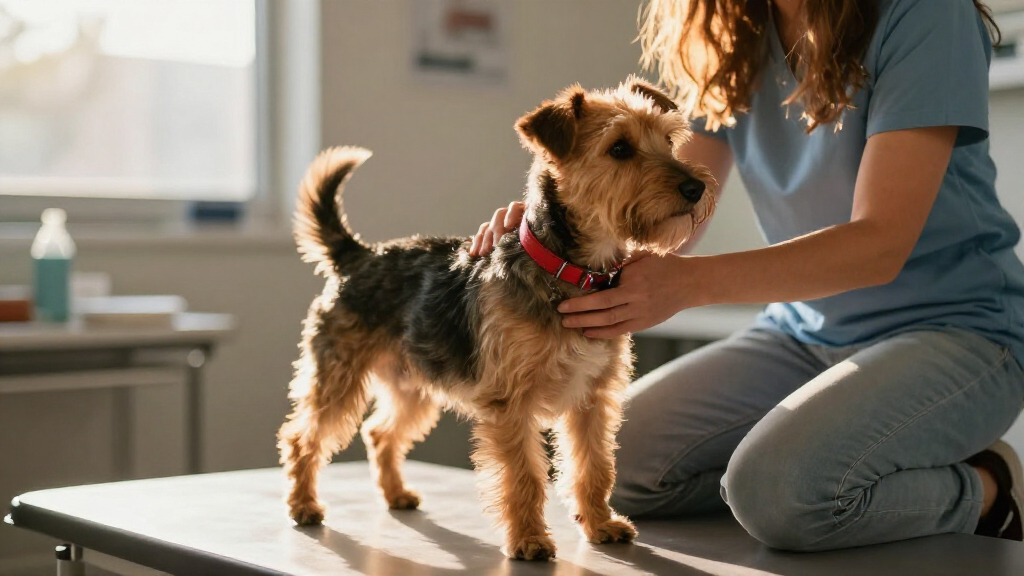
Veterinary testing found a type of anemia, unusual urine crystals and altered liver values, findings that raised concern about a congenital liver condition. Gidget also had a variable appetite, episodes of vomiting and periods of lethargy. An ultrasound and consultation with a board-certified internal medicine specialist led the team to suspect a congenital portosystemic shunt, or cPSS.
After monitoring and care at two ASPCA facilities, Gidget had surgery to close the vessel. The organization says a liver biopsy showed reduced blood flow consistent with the diagnosis. She recovered well, and staff were able to reduce her medications. The report describes her move toward foster care after surgery but the supplied material ends before giving a final placement or adoption update.
Why Correcting Gidget’s Shunt Mattered
A cPSS can allow blood from the intestines to bypass the liver, which normally filters and processes substances before blood circulates through the body. The ASPCA explains that this can leave harmful substances, including ammonia, in circulation and affect organs such as the brain. In severe cases, the condition can cause lethargy, seizures or death if untreated.
The condition can also interfere with nutrition and reduce blood supply to the liver. The ASPCA says animals with a shunt may be underweight or stunted and may have a small liver visible on imaging; Gidget was thin, and her tests prompted further investigation. Her case shows how veterinary examination after rescue can uncover a serious condition that might otherwise be missed amid treatment for immediate injuries.
Her treatment also required ongoing coordination, not surgery alone. Staff monitored her for neurological symptoms, scheduled medications around meals and controlled dietary protein. The ASPCA account says she sometimes collapsed after activity because of low blood sugar, another complication associated with shunts, and received prompt medical attention.
Products Worth Considering

PETLIBRO Automatic Pet Feeder with 1080p Camera and Night Vision

PETLIBRO Granary 2 Wi-Fi Automatic Pet Feeder with Smart Scale, 5L

PETLIBRO Automatic Cat Feeder for Two Cats with AI Recognition Camera
As an affiliate, we earn on qualifying purchases.
From Rescue to February Surgery
After police brought Gidget to the ASPCA, veterinary staff began treatment and monitoring at the Animal Recovery Center. The team also groomed her and helped her gain weight. On December 4, 2025, she transferred to the ASPCA Recovery & Rehabilitation Center in Pawling, New York, where staff continued her specialized care.
After about a month there, Gidget returned to New York City and entered the ASPCA Adoption Center. She continued to be closely monitored, largely in foster care, while awaiting surgery. The ASPCA says surgery can correct cPSS when clinicians can identify a single vessel bypassing the liver. Gidget’s surgical team closed the vessel on February 11, 2026, and sampled liver tissue for biopsy.
The ASPCA account also describes Gidget as a tolerant patient who became familiar with the medical team. A veterinarian recalled her carrying toys as large as she was and howling as she paraded around. Those details come from staff recollections in the organization’s report, rather than an independent assessment.
Gidget’s Long-Term Outcome Is Unreported
The supplied ASPCA report says Gidget recovered well from surgery, but it does not provide follow-up findings, such as later test results, whether she needed additional treatment, or whether her medications were eventually stopped. It also does not say whether she was adopted or identify the person who might have taken her home.
The account attributes the initial abuse report to a witness and says the NYPD rescued Gidget; it does not provide further information about an investigation or legal proceedings. The ASPCA’s description of her medical findings and recovery is the available source material here, and no independent veterinary records are included.
Follow-Up on Foster Care and Recovery
The ASPCA account says Gidget needed a quiet foster home for recovery and describes the foster team seeking help when her previous caregiver was unavailable. The supplied text stops as it begins to explain how Jessica L. became involved, so it does not establish whether Jessica fostered Gidget or what placement followed.
Further updates from the ASPCA would be needed to confirm Gidget’s longer-term health, ongoing care and adoption status. Until then, the confirmed outcome in the provided report is limited to a successful early recovery after surgery and a reduction in her medications.
Key Questions
What condition was Gidget diagnosed with?
The ASPCA says Gidget was diagnosed with a congenital portosystemic shunt, an abnormal blood vessel that allows blood from the intestines to bypass the liver.
What surgery did Gidget have?
On February 11, 2026, surgeons closed the vessel bypassing her liver and took a liver tissue sample for biopsy, according to the ASPCA.
How did Gidget recover?
The ASPCA reports that she recovered well and did exceptionally well as her medications were reduced. The supplied account does not provide later follow-up results.
Was Gidget adopted?
The available report does not confirm an adoption. It describes a search for a quiet foster home after surgery but ends before stating Gidget’s eventual placement.
Source: aspca.org