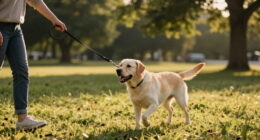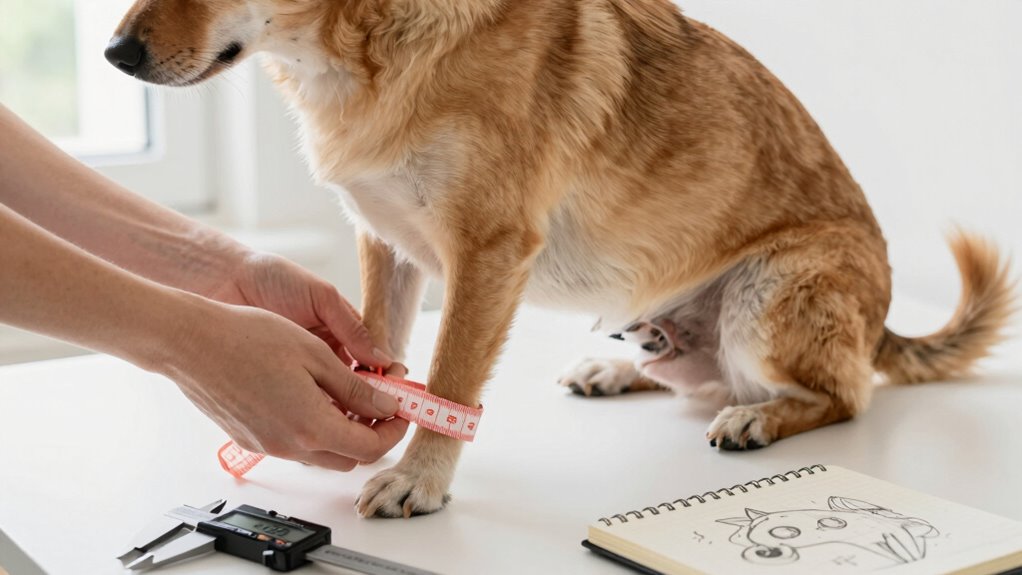
To measure your dog for a wheelchair without a professional, use a flexible tape measure and make sure your dog is standing comfortably. Measure from the base of the neck to the base of the tail, and from ground to shoulders. Check the widest part of the rib cage and front and hind leg circumferences if needed. Keep the tape snug but not tight. For more tips on getting the perfect fit, keep exploring how to achieve the best support for your dog.
Key Takeaways
- Use a flexible tape measure to record accurate measurements of the dog’s length, height, and rib cage while the dog is standing comfortably.
- Double-check all measurements for consistency and compare them with the manufacturer’s sizing chart before selecting a wheelchair.
- Measure the widest part of the rib cage and the circumference of front and hind legs if support braces are needed.
- Focus on ensuring the wheelchair’s features, like adjustable straps and lightweight frames, accommodate the dog’s specific mobility needs.
- Consider using 3D scanning technology or consulting detailed guides to improve measurement accuracy without professional assistance.

When selecting a canine wheelchair, accurate measurements are vital to guarantee a proper fit and maximum comfort for your dog. Without professional fitting, you need to be precise in measuring your dog to ensure the wheelchair’s dog mobility and wheelchair features work effectively. Start by measuring your dog’s length from the base of the neck to the base of the tail. Use a flexible tape measure for accuracy, and make sure your dog is standing comfortably to get the most reliable measurement. This length helps determine the frame size and overall fit of the wheelchair. Next, measure the height from the ground to the top of your dog’s shoulders or the highest point of the back. This measurement is essential for selecting the correct height of the wheelchair to support proper posture and movement. The width of your dog’s chest is equally important. Measure the widest part of the rib cage, just behind the front legs. Be sure to keep the tape snug but not tight to avoid overstating the size. This chest measurement guides you in choosing a wheelchair that provides enough space for your dog to breathe comfortably and move freely without feeling constricted. Additionally, measure the circumference of your dog’s front and hind legs if the wheelchair design includes leg support or braces. These measurements help in selecting the right support options to prevent slipping or discomfort during mobility. When considering wheelchair features, think about your dog’s specific needs, such as whether they require rear support, front support, or a full-body wheelchair. Features like adjustable straps, removable harnesses, and lightweight frames can improve your dog’s comfort and ease of use. Keep in mind that a well-fitting wheelchair shouldn’t restrict movement or cause chafing. It’s also helpful to understand biodiversity and conservation as many companies now prioritize environmentally sustainable and ethically manufactured products. Understanding proper fit is crucial because it directly influences your dog’s comfort and mobility. It’s essential to double-check your measurements and compare them with the sizing chart provided by the manufacturer. Additionally, being aware of 3D scanning technologies can help you obtain more precise measurements when a professional fitting isn’t possible. Incorporating technological advancements can greatly enhance the accuracy of your measurements and result in a better fit for your dog.

Drag Bag for Paralyzed Pets, Wear-Resisting Dog Walking Drag Bag Anti-Scratch Wheelchair Auxiliary Project for Paralyzed Disabled Back Rear Legs Dog Chest and Limbs(S)
- Portable and Foldable: Lightweight, easy to store and carry
- Elastic Opening Design: Prevents tightness, easy to wear
- Side Zipper for Convenience: Allows easy access and adjustment
As an affiliate, we earn on qualifying purchases.
As an affiliate, we earn on qualifying purchases.
Frequently Asked Questions
Can I Measure My Dog for a Wheelchair Without Prior Experience?
Yes, you can measure your dog for a wheelchair without prior experience, but it’s best to start with a DIY fitting guide. Use a soft measuring tape to record your dog’s chest width, height from ground to shoulders, and length from neck to tail base. For safety, consult your veterinarian beforehand to guarantee measurements are accurate and suitable. A veterinary consultation helps confirm your measurements and the proper wheelchair size for your dog’s comfort.
What Tools Are Best for Accurate Canine Measurements?
You’ll want a flexible measuring tape for accurate measurements, as it easily wraps around your dog’s body. A ruler or a yardstick can help with straight lines and precise height measurements. For material comparison, opt for soft, durable fabrics like nylon or neoprene, which support measurement accuracy and comfort. These tools and materials together guarantee you get the right fit, making your dog’s wheelchair both comfortable and effective.
How Do I Measure a Dog With Limited Mobility?
To measure a dog with limited mobility, focus on their body proportions by gently supporting them. Use a flexible measuring tape to record their length from the chest to the rump, and measure the widest part of their chest and hips. Keep the dog comfortable and still, and follow wheelchair sizing tips by measuring accurately without rushing. These steps guarantee a proper fit, essential for your dog’s comfort and mobility.
Should I Measure My Dog While Standing or Lying Down?
Think of your dog as a sculpture in progress—measure in the most natural pose for accuracy. You should measure your dog while standing to capture their true posture, ensuring measurement accuracy. Standing mimics their usual gait and stance, giving you a realistic size for the wheelchair. Lying down might distort proportions, so keep your dog upright, relaxed, and comfortable to get the best fit.
How Often Should I Re-Measure My Dog for a Wheelchair?
You should re-measure your dog every few months, especially if they’re still growing or gaining/losing weight. This guarantees the wheelchair fits comfortably and functions properly. Keep cost considerations in mind—frequent re-measuring might mean adjustments or new equipment. If your dog’s condition changes considerably, consider alternative mobility options like harnesses or supportive slings. Regular measurements help keep your dog comfortable and safe, avoiding unnecessary expenses.
Conclusion
Measuring your dog for a wheelchair without a professional is doable if you follow careful guidelines. Remember, about 60% of pet owners successfully fit their dogs at home, saving time and money. Accurate measurements guarantee your pup gets the support they need for comfort and mobility. With patience and attention to detail, you can confidently help your furry friend regain their independence and enjoy a happier, healthier life. Your dedication makes all the difference!