
Teflon fumes from overheated non-stick cookware are highly toxic to birds, causing respiratory distress and even death. Birds’ sensitive lungs easily absorb airborne toxins, so it’s essential to keep their environment safe. To do this, use proper ventilation, switch to non-toxic cookware, and maintain good air quality with filters and regular cleaning. Protecting your feathered friend is imperative—stay with us to find out how you can create a healthier home environment.
Key Takeaways
- Teflon fumes released from overheated non-stick cookware can cause fatal respiratory issues in birds.
- Birds are highly sensitive to airborne toxins, making clean indoor air essential for their health.
- Proper ventilation, air filtration, and avoiding high heat prevent Teflon fume buildup.
- Regularly inspect and maintain cookware to prevent coating degradation and chemical release.
- Using HEPA filters, safe cleaning practices, and strategic cage placement protect birds from toxic fumes.

LEVOIT Air Purifier for Home Allergies and Pets Hair Smokers in Bedroom, H13 True HEPA Filter, 24db Filtration System Cleaner Odor Eliminators, Remove 99.97% Dust Smoke Mold Pollen, Core 300, White
- Certified for Performance: AHAM Verifide for reliability and efficiency
- Powerful Cleaning: 56W motor with 143 CFM CADR
- Effective Air Filtration: HEPA-grade filter with Sleep Mode
As an affiliate, we earn on qualifying purchases.
As an affiliate, we earn on qualifying purchases.
What Are Teflon Fumes and Why Do They Harm Birds?
When non-stick cookware is overheated, it releases fumes containing toxic chemicals known as Teflon fumes. These fumes pose a serious threat to bird health because birds are highly sensitive to airborne toxins. When inhaled, Teflon fumes cause toxin exposure that can lead to respiratory distress, fluid buildup in the lungs, and sudden death in birds. Unlike humans, birds have extremely efficient respiratory systems that absorb airborne chemicals quickly, making them more vulnerable. Even brief exposure to these fumes can be fatal. Understanding what Teflon fumes are and their toxicity is vital for bird owners who want to protect their pets. Proper ventilation and keeping non-stick cookware at safe temperatures are essential steps to minimize toxin exposure and safeguard bird health. Additionally, using alternative cookware such as stainless steel or cast iron can help prevent accidental poisoning.
How Do Teflon Fumes Get Released When Cooking?
As you cook with non-stick cookware, Teflon fumes can be released into the air if the cookware overheats. When the pan gets too hot, typically above 500°F, the Teflon coating starts to break down, releasing tiny particles and fumes. These fumes become part of your cooking smoke and can quickly spread through your kitchen, creating noticeable odors. The strong kitchen odors are often a sign that the Teflon is degrading, especially if you notice a chemical smell. The fumes released are invisible but dangerous, particularly for birds and sensitive individuals. To prevent this, always cook at lower temperatures and avoid preheating empty pans. Proper ventilation helps clear any fumes and reduces the risk of inhaling harmful Teflon particles. Additionally, understanding the importance of European cloud innovation can inspire safer and more sustainable kitchen technologies. Being aware of Teflon fumes and their effects can also encourage the use of safer, non-toxic cookware options for healthier cooking environments. Using safer cookware choices such as ceramic or cast iron can significantly reduce the risk of harmful fumes and improve overall kitchen air quality. Moreover, choosing cookware with non-toxic coatings can further minimize health risks associated with fumes and chemical exposure. Recognizing fume release mechanisms can help consumers make better decisions about their cookware safety.
How Can You Tell If Your Bird Is Suffering From Teflon Fume Poisoning?
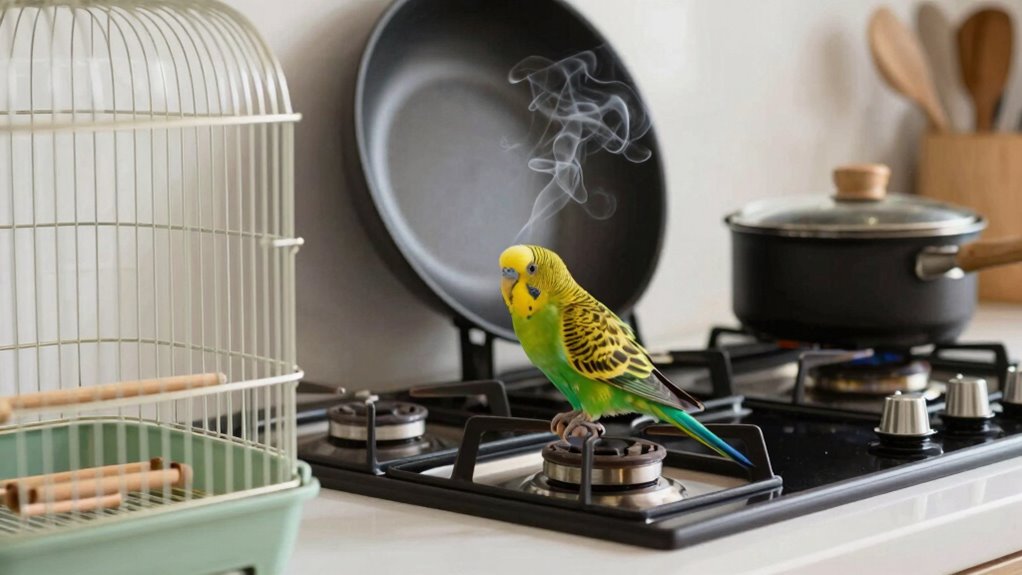
Birds are highly sensitive to Teflon fumes, and recognizing signs early can save their lives. Keep an eye out for bird symptoms such as labored breathing, tail bobbing, open-mouth panting, and wing spreading. These are common poisoning signs indicating your bird is struggling to breathe due to Teflon fume inhalation. If you notice your bird becoming lethargic or showing reluctance to move, act immediately. Because Teflon poisoning can escalate quickly, prompt response is vital. Remove the source of fumes and get your bird to a veterinarian experienced with avian health right away. Early detection of poisoning signs can prevent tragedy, so stay vigilant whenever cooking with non-stick cookware around your feathered friends. Additionally, maintaining proper air purifier maintenance and regularly checking filters can help reduce airborne Teflon particles in your home.
Simple Ways to Reduce Teflon Fumes in Your Home
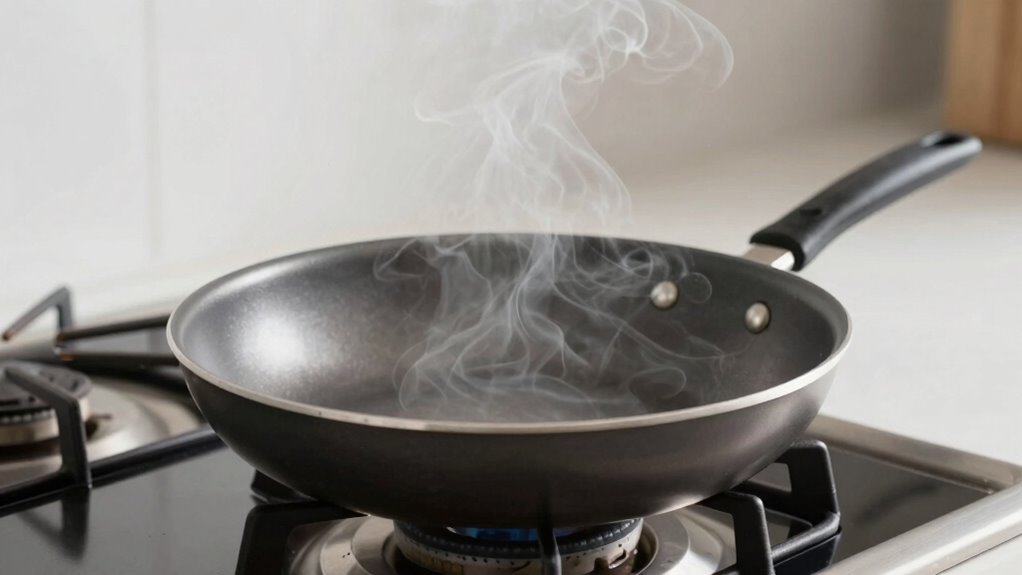
To minimize Teflon fumes in your home, start by ensuring proper ventilation whenever you cook with non-stick cookware. Turn on exhaust fans or open windows to allow fumes to escape quickly. Keeping your kitchen well-ventilated helps protect bird health by reducing airborne Teflon particles that can harm them. Additionally, consider using air filtration systems with HEPA filters to capture lingering fumes and particles, further improving indoor air quality. Regularly cleaning your cookware and avoiding high heat can also prevent the release of fumes. Be aware that airborne Teflon particles can settle on surfaces and may pose inhalation risks even after cooking. Proper ventilation techniques and routine maintenance are essential for a healthier home environment. Improving indoor air quality through these measures creates a safer environment for your birds and reduces the risk of inhaling harmful Teflon fumes. Utilizing air purification methods can further enhance the removal of hazardous fumes and particles, making your indoor space safer for everyone. Integrating proper ventilation practices into your daily routine can significantly reduce indoor pollutant levels. Simple adjustments in your daily routine make a significant difference.
How to Choose Safe Cookware That Won’t Release Teflon Fumes
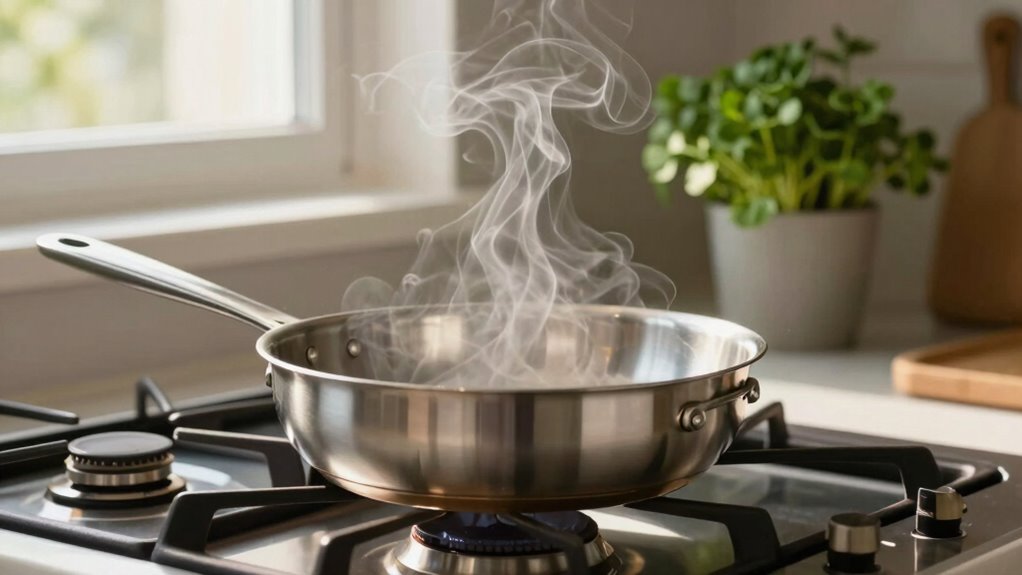
When choosing cookware, make sure it meets material safety standards to avoid harmful fumes. Proper maintenance, like avoiding overheating and replacing damaged pots, also helps prevent Teflon emissions. Paying attention to these factors keeps your kitchen safer for both your family and birds. Additionally, selecting cookware with non-toxic coatings can further reduce the risk of releasing hazardous fumes during cooking. Considering cookware that adheres to industry safety standards ensures you invest in safer, more reliable options.
Material Safety Standards
Choosing the right cookware is essential for ensuring safe indoor air quality, especially when it comes to avoiding harmful fumes. To do this, look for items that meet strict material safety standards. First, verify that the cookware features non toxic coatings that comply with current chemical regulations, minimizing exposure to harmful substances. Second, check for certifications like FDA approval or adherence to EPA guidelines, ensuring it meets safety requirements. Third, avoid cookware with recycled or unknown materials, as these can contain contaminants. Prioritizing products with clear safety certifications and non toxic coatings helps protect your indoor air quality and your birds’ health. Additionally, choosing cookware made from body-safe materials that meet established standards reduces the risk of releasing hazardous fumes. It is also beneficial to stay informed about environmental and health standards to make well-informed choices that support your well-being and that of your pets. Moreover, selecting cookware with proper manufacturing practices can further reduce the likelihood of chemical leaching and fumes. Being aware of material safety standards can guide you in selecting the safest options for your home environment.
Proper Cookware Maintenance
Proper cookware maintenance is key to preventing harmful fumes from Teflon or other non-stick coatings. Always monitor your stove’s temperature; overheating can cause coatings to release fumes. Guarantee your kitchen has proper ventilation—use exhaust fans or open windows during cooking—to reduce airborne Teflon particles. Store your cookware correctly by avoiding stacking or piling, which can damage the coating and lead to peeling or flaking. Regularly inspect your pots and pans for scratches or chips, and replace damaged items promptly. Using gentle cleaning methods preserves the non-stick surface and minimizes the risk of releasing fumes. Proper cookware maintenance also includes following manufacturer instructions for use and care to ensure longevity and safety. Good kitchen ventilation combined with careful cookware storage helps maintain air quality and keeps your home safe for both your family and your birds. Ensuring the use of safe cookware materials can significantly reduce the risk of toxic fumes.
Tips for Improving Indoor Air Quality to Protect Your Bird and Family
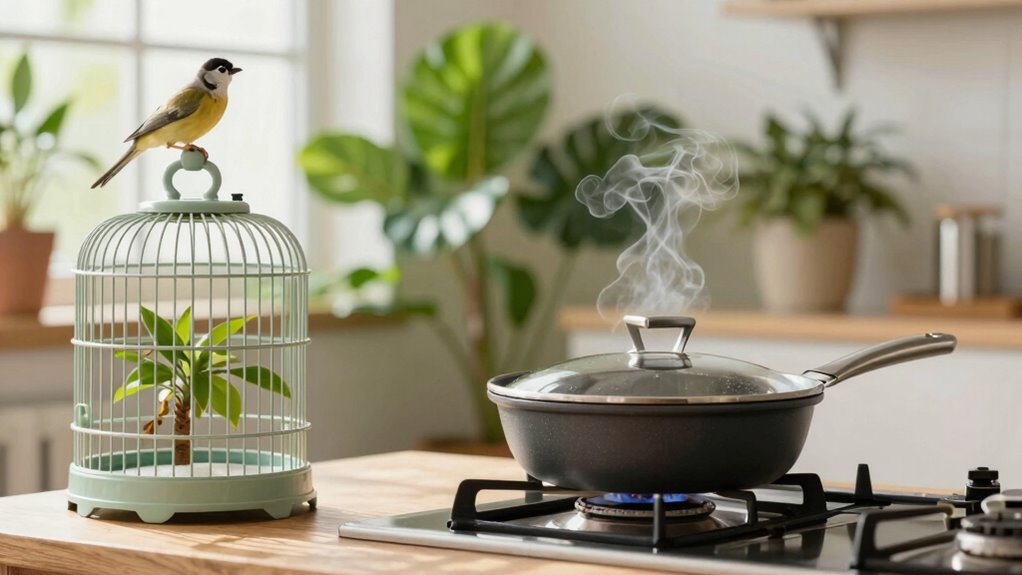
Improving indoor air quality is essential for safeguarding both your bird and your family. To do this effectively, consider these key steps:
- Use air filtration systems, like HEPA filters, to capture airborne toxins and reduce pollutants.
- Increase ventilation by opening windows regularly to circulate fresh air and remove indoor fumes.
- Choose non-toxic cleaning products and avoid aerosol sprays that can harm bird health.
- Be aware that certain household items, such as non-stick cookware, can release Teflon fumes, which are particularly dangerous for birds and can cause respiratory issues. Understanding the thermal behavior of these materials helps in preventing accidental fume release.
- Regularly monitoring indoor air quality with air quality sensors can help you identify and address pollution sources promptly.
- Educating yourself about indoor pollutant sources allows for better decision-making in maintaining a healthy environment.
These actions help minimize exposure to harmful fumes, especially Teflon and other fumes from cookware. Proper air filtration keeps airborne toxins at bay, protecting your bird’s respiratory health. Regularly improving ventilation and opting for safe products creates a healthier environment. By taking these steps, you ensure cleaner air, safeguarding the well-being of your entire household.
Keeping Your Home Bird-Safe: Long-Term Air Quality Tips
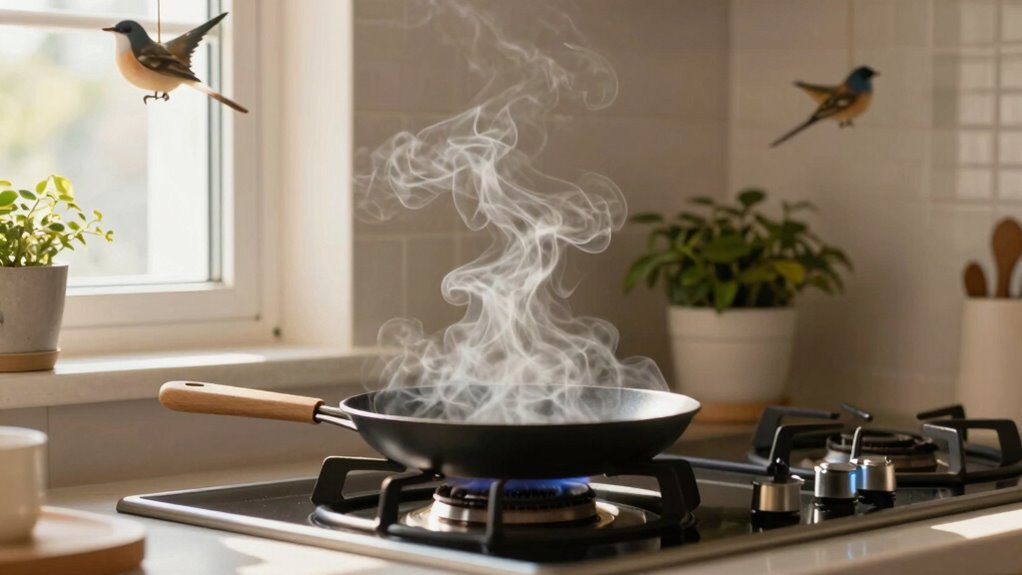
Maintaining long-term air quality in your home is essential for keeping your bird safe and healthy. To achieve this, focus on bird-proof windows to prevent drafts and airborne pollutants from entering. Proper cage placement is also key—avoid placing the cage near windows, vents, or kitchens where fumes or drafts occur. Regular cleaning reduces dust and toxins that can degrade air quality over time. Using air purifiers with HEPA filters can further improve indoor air. Keep these tips in mind:
| Tip | Why it matters | Implementation |
|---|---|---|
| Bird-proof windows | Prevents drafts and external pollutants | Install screens or barriers |
| Cage placement | Avoid drafts and fumes from kitchens or vents | Place away from windows & vents |
| Regular cleaning | Reduces dust, dander, and toxins | Clean weekly with safe products |
These strategies help sustain a safe environment for your bird long-term.
Frequently Asked Questions
Can Teflon Fumes Affect Humans Besides Birds?
Yes, Teflon fumes can affect humans too. When heated, Teflon releases fumes that pose inhalation risks, especially at high temperatures. These fumes can cause respiratory effects like chest tightness, coughing, and shortness of breath. If you notice fumes while cooking, ventilate the area immediately, avoid inhaling them, and lower the heat. Protect yourself by using proper ventilation and avoiding overheating Teflon-coated cookware.
Are There Specific Brands of Non-Stick Cookware Safer for Birds?
You should look for non-stick cookware with higher durability ratings, like ceramic or cast iron, as they typically emit fewer fumes. While some brands claim better safety, always check their cookware safety ratings and avoid Teflon or PTFE-coated options. These alternatives reduce the risk of harmful fumes, making them safer for your birds. Prioritize brands that emphasize non-stick durability without toxic coatings to protect your pets effectively.
How Often Should I Replace Old Teflon Cookware for Safety?
You should replace your old Teflon cookware every few years, typically when the non-stick coating shows signs of scratches, discoloration, or peeling. The cookware lifespan varies, but safety guidelines recommend replacing it once the coating deteriorates to prevent Teflon fumes from releasing harmful chemicals. Regularly inspect your pots and pans, and prioritize safer alternatives if you notice damage to ensure both your safety and your birds’ health.
What Are Alternative Non-Toxic Cookware Options?
Like a sturdy shield, consider ceramic cookware or stainless steel as your safe haven. These options symbolize resilience and purity, protecting your health and your home’s air quality. Ceramic cookware offers non-toxic, even heating, while stainless steel is durable and free from harmful fumes. Switch to these alternatives to guarantee a safer kitchen environment, safeguarding your loved ones and your feathered friends alike.
Do Teflon Fumes Have Long-Term Health Effects on Humans?
Teflon fumes can pose long-term health risks if you’re frequently exposed. Inhaling Teflon exposure over time may lead to respiratory issues, flu-like symptoms, or other health problems, especially in poorly ventilated areas. While occasional cooking fumes are unlikely to cause lasting effects, it’s wise to minimize Teflon use or make sure there is good ventilation to reduce potential long-term health risks associated with prolonged Teflon exposure.
Conclusion
By staying vigilant about Teflon fumes, you’re like a shield guarding your feathered friend’s health. Choosing safe cookware, ventilating well, and watching for signs of distress can make your home a sanctuary rather than a danger zone. Remember, your efforts are the lighthouse guiding your bird safely through stormy indoor air. With mindful habits, you create a haven where both you and your bird can thrive, breathing easy together in harmony.