
TL;DR

Get pet supplies delivered free with Prime
- Fast, free delivery on millions of items
- Prime Video, Amazon Music and more included
- Member-only deals all year
Many elderly individuals prefer aging at home with their pets, but this presents unique challenges. Experts highlight important health, safety, and support considerations for families to ensure pets are well cared for.
Many elderly individuals choose to age at home with their pets, but this lifestyle requires careful planning to ensure safety and health. Experts emphasize that families need to consider medical, safety, and emotional factors to support their loved ones effectively.
According to recent guidance from pet health organizations and senior care experts, aging at home with pets can enhance emotional well-being but also presents specific challenges. These include managing the health needs of both the elderly and their pets, ensuring home safety, and providing adequate support for daily activities.
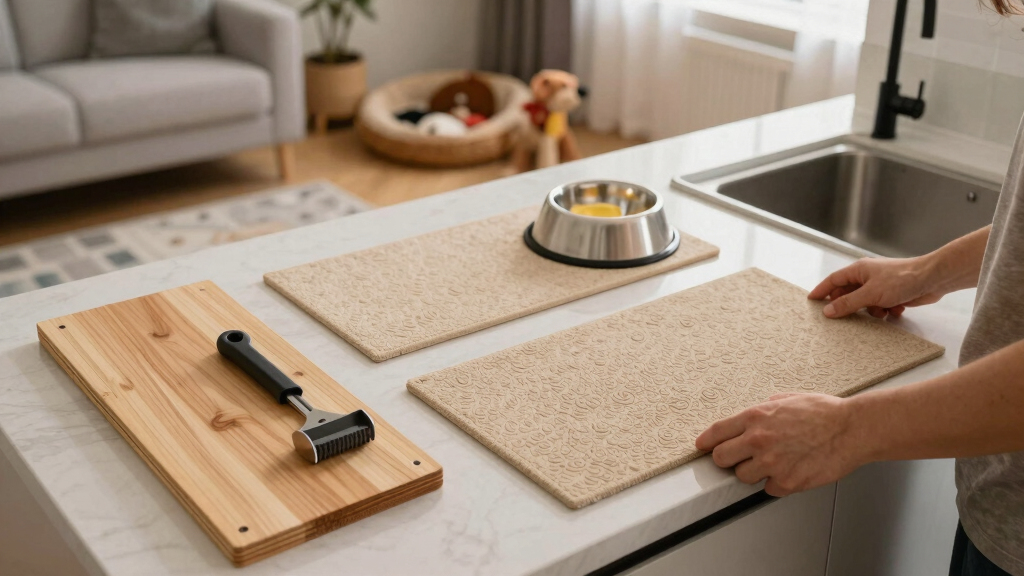
Health considerations are paramount. Elderly pet owners often face mobility issues or chronic health conditions that can complicate pet care at home. Experts recommend regular veterinary checkups, medication management, and adaptations like non-slip flooring or accessible pet feeding stations to reduce risks.
Safety concerns also include fall hazards, such as loose rugs or clutter, and the need for emergency preparedness for pets. Some organizations suggest installing safety devices like grab bars and ensuring pets are trained to avoid dangerous behaviors. Emotional support from pets remains a key benefit, but families must also monitor for signs of neglect or stress.
Why Supporting Elderly Pet Owners Matters
Supporting aging individuals who wish to stay at home with their pets is vital for their mental health, emotional stability, and overall quality of life. Proper planning can prevent accidents, health deterioration, and emotional distress. As the population ages, more families will face these considerations, making awareness and preparedness increasingly important.
As an affiliate, we earn on qualifying purchases.
Growing Trend of Aging at Home with Pets
The trend of seniors aging at home with pets has gained recognition over recent years, driven by the desire for companionship and independence. According to the American Veterinary Medical Association, approximately 67% of U.S. households own a pet, and many seniors rely on pets for emotional support. However, this lifestyle requires adjustments to address health and safety issues, which are now receiving more attention from healthcare providers and pet organizations.
Previous studies have shown that pets can reduce feelings of loneliness and depression among the elderly, but they also pose risks if health or mobility declines. Recent guidelines emphasize proactive planning to balance these benefits and risks effectively.
“Families should develop emergency plans that include pet care, and consider support services that can assist with daily tasks as mobility declines.”
— Laura Jenkins, Senior Care Advisor
Unresolved Challenges in Supporting Aging Pet Owners
It is still unclear how widespread specific home modifications are among seniors or how effectively families are implementing emergency support plans. There is also limited data on the long-term health outcomes for elderly pet owners who age at home, and how best to integrate pet care into medical and social support systems.
Next Steps for Families and Care Providers
Experts recommend that families consult with healthcare providers and pet care specialists to develop personalized plans. Increasing availability of community resources, such as pet-friendly home modification services and emergency support networks, is expected to grow. Ongoing research aims to better understand best practices for aging at home with pets, informing future guidelines.
Key Questions
What are the key health considerations for elderly pet owners?
Regular veterinary visits, medication management, and home safety modifications are critical to maintaining health and safety.
How can families prepare for emergencies involving pets and elderly relatives?
Developing emergency plans, installing safety devices, and coordinating with local support services can help manage crises effectively.
Are there specific home modifications recommended for aging pet owners?
Yes, non-slip flooring, accessible feeding stations, and safety rails can reduce fall risks and improve mobility.
What emotional benefits do pets provide to seniors aging at home?
Pets can reduce loneliness, improve mood, and provide companionship, which are vital for mental health.
What support resources are available for families supporting aging pet owners?
Community programs, pet care services, and healthcare providers can offer guidance, support, and assistance with daily tasks.
Source: rss
Halloween Picks
halloween
As an affiliate, we earn on qualifying purchases.