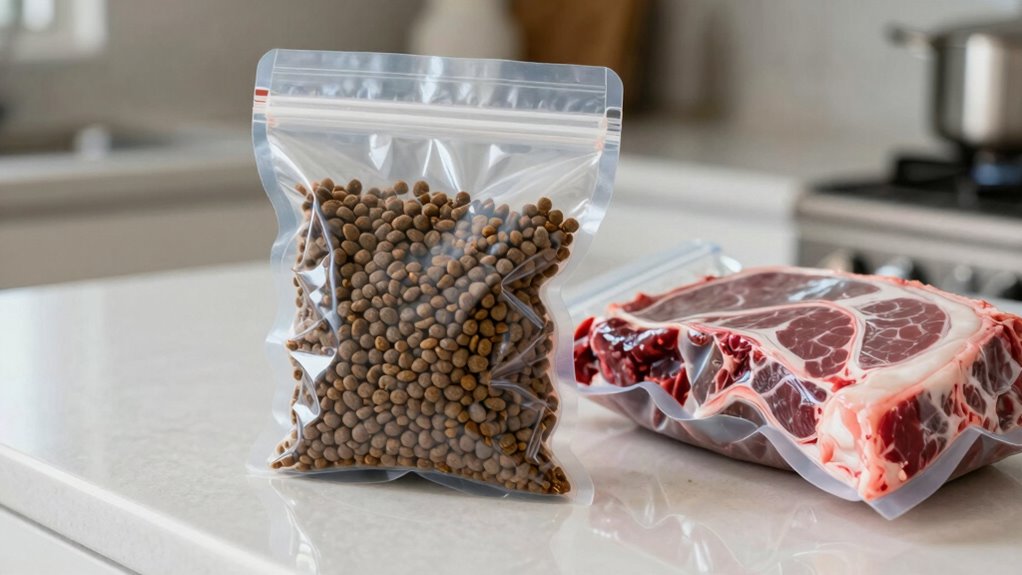

Vacuum sealing pet food helps extend freshness by removing oxygen and moisture, which slows spoilage and preserves flavor and nutrients for items like raw meats, cooked leftovers, and premium foods. However, it doesn’t work well for dry kibble, treats, or fragile packaging, and won’t prevent spoilage caused by bacteria or gases released by some foods. If you want to know which foods are suitable and how to do it right, there’s more to learn here.
Key Takeaways
- Vacuum sealing effectively preserves raw meats, cooked leftovers, and premium pet foods by extending freshness and preventing oxidation.
- It limits moisture, air, and contaminants, slowing spoilage and nutrient loss in suitable pet foods.
- Vacuum sealing is less beneficial for dry kibble and treats, which are naturally resistant to oxygen and moisture.
- Fragile or moist foods, especially those releasing gases or prone to spoilage, may not benefit and can spoil faster if sealed improperly.
- Proper technique, storage conditions, and avoiding sealing unsuitable foods are essential to prevent bacterial growth and maintain quality.

Tightpac Pawvac 6 Ounce Vacuum Sealed Pet Food Storage Container; Black Cap & Clear Body/Black Paws
Store 6 oz of Food for all pets. For your cats, dogs, birds, and more! Store your cute…
As an affiliate, we earn on qualifying purchases.
As an affiliate, we earn on qualifying purchases.
Why Proper Storage Is Key for Pet Food Freshness
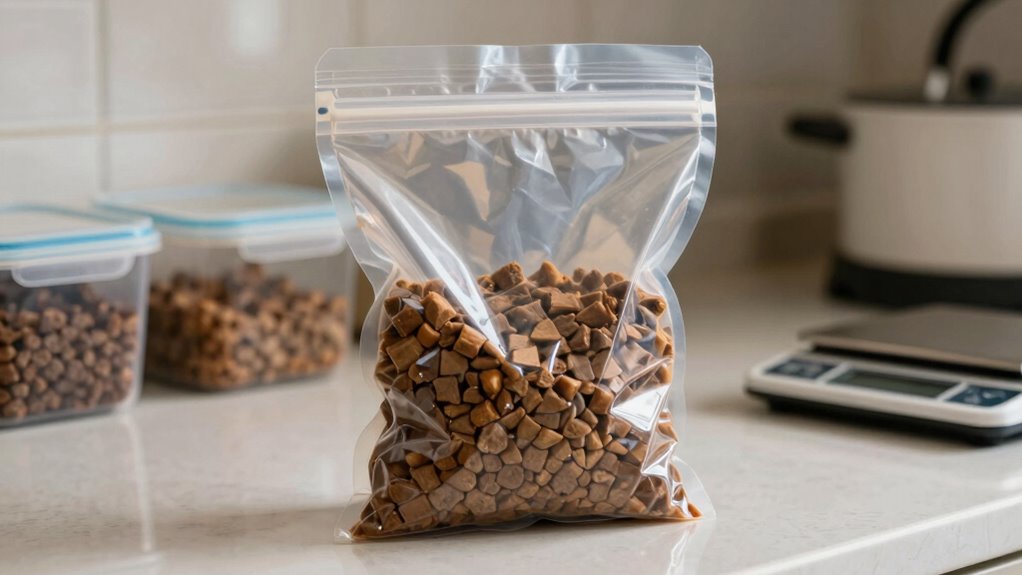
Proper storage is essential to keep your pet’s food fresh and safe. Using the right storage containers helps prevent exposure to air, moisture, and pests, which can degrade food quality. Opt for airtight containers that seal tightly to preserve nutrients and prevent spoilage. Labeling techniques are equally important; clearly mark each container with the date of storage and type of food. This helps you track freshness and avoid confusion, ensuring you use older food first. This practice is especially important as it aligns with food preservation principles to extend shelf life. Consistent labeling also reduces waste by helping you identify expired or stale items quickly. When you combine sturdy storage containers with effective labeling, you create an organized system that keeps your pet’s food fresh longer and promotes healthier feeding habits. Additionally, choosing proper storage solutions can help you avoid potential contamination and ensure your pet’s food remains safe to consume. Incorporating air-tight seals into your storage routine further enhances freshness by limiting oxygen exposure that can lead to spoilage. Using quality materials for containers also plays a crucial role in maintaining food integrity over time. Furthermore, selecting containers made from non-toxic materials ensures your pet’s food does not come into contact with harmful chemicals.

IRIS USA Airtight Dog Food Storage Container, Up to 30 lbs, Attachable Wheels, for Dog Cat Bird and other Pet Food Storage Bin, Keep Fresh, Easy Mobility, BPA Free, Black
Food Storage for All Pets: Keep dog kibble, cat dry food, bird seed, pellets, and treats fresh and…
As an affiliate, we earn on qualifying purchases.
As an affiliate, we earn on qualifying purchases.
What Is Vacuum Sealing and How Does It Work?

Vacuum sealing is a process that removes air from specially designed bags or containers to preserve the freshness of pet food. You start by placing the food in storage containers or vacuum bags. Then, sealing machines create a tight seal, removing all air to prevent oxidation and spoilage. These machines work quickly and efficiently, guaranteeing a secure closure that keeps out moisture and contaminants. Once sealed, the food is less exposed to oxygen, which slows down bacterial growth and freezer burn. Properly maintaining your vacuum sealer and using quality storage containers ensures your pet’s food stays fresh, flavorful, and safe until you’re ready to serve it. Additionally, understanding storage best practices can further enhance the longevity of your pet food. Regularly inspecting seals and following manufacturer instructions can help prevent air leaks that compromise freshness. Incorporating proper sealing techniques can also maximize the benefits of vacuum sealing and extend storage times. Moreover, being aware of the science behind oxidation can help you choose the best preservation methods for your pet food.

Higfra Reusable BPA Free Vacuum Sealer Bags (8.5 * 8.5in), 31 Pcs (24 Pcs Vacuum Zipper Bag & 2 Seal Clips & 5 Air Valves), Plastic, Clear, Double Zipper Seal, Microwaveable, Food Storage, Cooking
MULTIPLE SIZES: 24 reusable vacuum low temperature cooking bags with 2 bag sealing clips and 5 air valves,…
As an affiliate, we earn on qualifying purchases.
As an affiliate, we earn on qualifying purchases.
How Vacuum Sealing Extends Pet Food Shelf Life
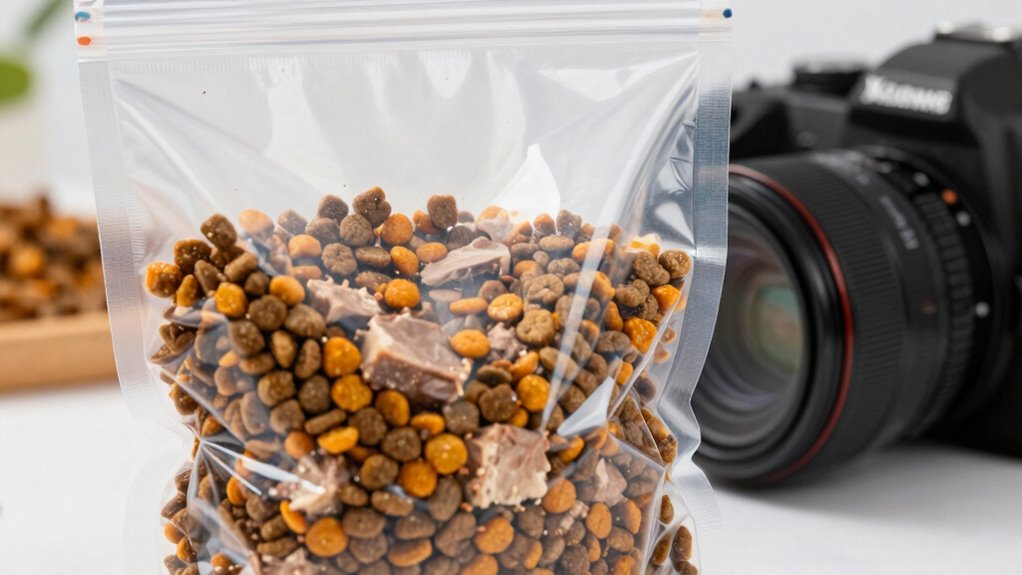
Vacuum sealing helps your pet food stay fresh longer by reducing oxidation, which can cause spoilage. It also prevents moisture loss that leads to freezer burn and freezer smell. By controlling these factors, vacuum sealing substantially extends your pet food’s shelf life.
Reduces Oxidation Risks
Because oxygen exposure accelerates the breakdown of nutrients and promotes spoilage, vacuum sealing pet food substantially reduces oxidation risks. By removing air, you prevent oxygen from interacting with fats and other sensitive ingredients, which slows down the oxidation process. This oxidation prevention helps preserve the nutritional quality and flavor of your pet’s food for longer periods. Vacuum sealing creates an airtight environment that limits exposure to oxygen, keeping the food fresher and preventing rancidity. As a result, you extend the shelf life of your pet’s food without relying on artificial preservatives. This method is especially effective for maintaining the integrity of fatty ingredients and preserving the original taste and aroma. Additionally, vacuum sealing is compatible with various precious metal IRA storage options, making it a versatile preservation method. Implementing vacuum sealing also minimizes food waste by extending freshness and usability. Overall, vacuum sealing is a simple yet powerful way to enhance freshness preservation by reducing oxidation risks.
Prevents Moisture Loss
Moisture loss is a common cause of spoilage and nutrient degradation in pet food, but vacuum sealing helps prevent this issue effectively. By removing excess air, vacuum sealing greatly improves moisture retention, which is essential for maintaining food freshness. When moisture escapes, pet food can become dry, stale, and more prone to mold or bacterial growth. Vacuum sealing creates a barrier that locks in natural moisture, preserving the texture and flavor for longer periods. This process not only extends the shelf life but also guarantees your pet’s food stays nutritious and appealing. Proper sealing techniques, such as using ir thermometers to monitor temperature, can further ensure optimal preservation. With proper vacuum sealing, you can reduce waste and keep pet food fresh, safe, and full of nutrients for as long as possible.

Jokari Label Once Erasable Food Labels with Marker and Eraser Reusable Removable Adhesive Labels for Kitchen Storage Freezer Dishwasher and Microwave Safe 70 Pack
Reusable Erasable Labels: These coated adhesive labels are designed for long-term use. Write on them with the included…
As an affiliate, we earn on qualifying purchases.
As an affiliate, we earn on qualifying purchases.
Which Types of Pet Food Benefit Most From Vacuum Sealing
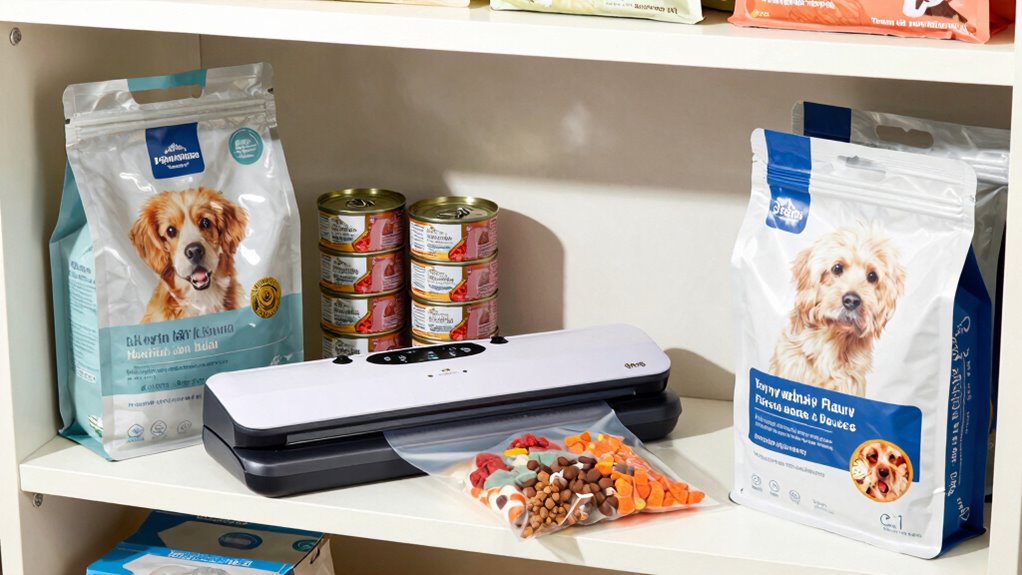
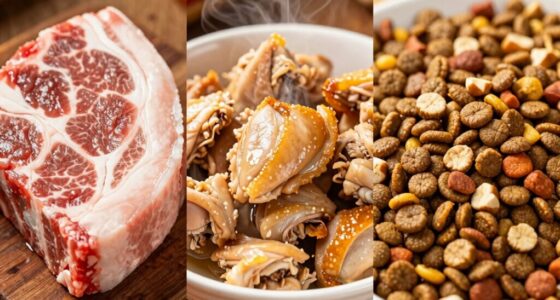
Are certain types of pet food more suited to vacuum sealing than others? Yes, especially items like raw meats, cooked leftovers, and premium pet foods that benefit from extended freshness. Vacuum sealing enhances pet food packaging by removing air, which slows down spoilage and preserves flavor. These foods often require careful storage temperature control, as they are more prone to deterioration when exposed to heat or fluctuating temperatures. Dry kibble or treats, for example, don’t see as much benefit since they’re less affected by oxygen and moisture. Vacuum sealing is most effective for perishable items, ensuring they stay fresh longer and reducing waste. If you’re sealing these foods, focus on maintaining consistent storage temperature to maximize freshness and prevent spoilage. Additionally, understanding proper storage techniques can help ensure your pet food remains safe and nutritious for longer periods. Incorporating food preservation methods can further extend shelf life and maintain nutrient quality, especially when combined with temperature regulation to optimize storage conditions. Proper sealing and storage practices work together to protect nutritional integrity, ensuring your pet’s food stays healthy and tasty for as long as possible.
What Pet Foods Should Not Be Vacuum Sealed

You should avoid vacuum sealing pet foods that are sensitive to freshness loss or spoilage, like fresh raw meats or produce. Fragile packaging items, such as glass jars or soft containers, can break or be damaged during sealing. Also, steer clear of cooked or heavily processed foods, as sealing might alter their texture or flavor. Additionally, be cautious with proper sealing techniques, as improper handling can introduce bacteria and cause infections. Furthermore, sealing perishable foods improperly can create anaerobic environments that promote bacterial growth and spoilage. To ensure safety and quality, it’s important to understand vacuum sealing limitations and avoid packaging items that are prone to damage or spoilage. Understanding food safety considerations is essential to prevent contamination and ensure the longevity of stored pet foods.
Fresh Food Sensitivity
Ever wondered why some pet foods shouldn’t go into a vacuum sealer? It’s mainly because certain fresh foods are sensitive to the removal of air, which can cause spoilage or change texture. For example, soft or moist pet foods, like raw meats or deli-style cuts, rely on proper pet food packaging and airtight storage containers for safety. Vacuum sealing these items might trap moisture or create an environment that encourages bacteria growth. Additionally, some fresh foods release gases that can’t escape in a vacuum, leading to spoilage or bloating. If you want to preserve freshness, consider alternative storage methods. Remember, not all pet foods respond well to vacuum sealing—always evaluate the type of food and its packaging needs before sealing. Understanding food sensitivity is essential to prevent spoilage and maintain quality. Being aware of food packaging limitations can help you choose the best storage method for your pet’s food. Also, understanding biodiversity preservation can encourage better practices in sustainable food storage and reduce waste.
Fragile Packaging Items
Some pet foods are too delicate to withstand vacuum sealing without damage. Fragile packaging or delicate containers can collapse, tear, or become deformed under the pressure. Vacuum sealing isn’t suitable for:
- Glass jars or containers that may break
- Thin plastic or foil pouches prone to punctures
- Items with loose or fragile labels that can detach
- Soft or brittle packaging that crumples easily
Using vacuum sealing on these items risks damaging the packaging, making them unusable or compromising their contents. Always consider the durability of your packaging before sealing. If your pet food comes in fragile packaging, it’s better to transfer it to sturdier containers or avoid sealing altogether to prevent leaks, tears, or breakage.
Cooked or Processed Foods
Because cooked or processed pet foods often contain moisture, oils, or preservatives, vacuum sealing them can lead to spoilage or spoilage-related issues. These foods are more prone to bacterial growth and mold if moisture is trapped inside the sealed bag. Processed foods, like canned or jarred meals, may contain preservatives that react negatively under vacuum conditions, potentially causing spoilage or altering taste and texture. Additionally, cooked foods can develop condensation during sealing, creating an environment conducive to bacteria. Vacuum sealing is not recommended for these items because it doesn’t prevent all forms of spoilage and can sometimes accelerate it. Instead, store cooked or processed foods in airtight containers or follow specific guidelines for freezing or refrigeration to preserve their freshness safely.
Tips for Sealing Different Pet Food Textures and Sizes
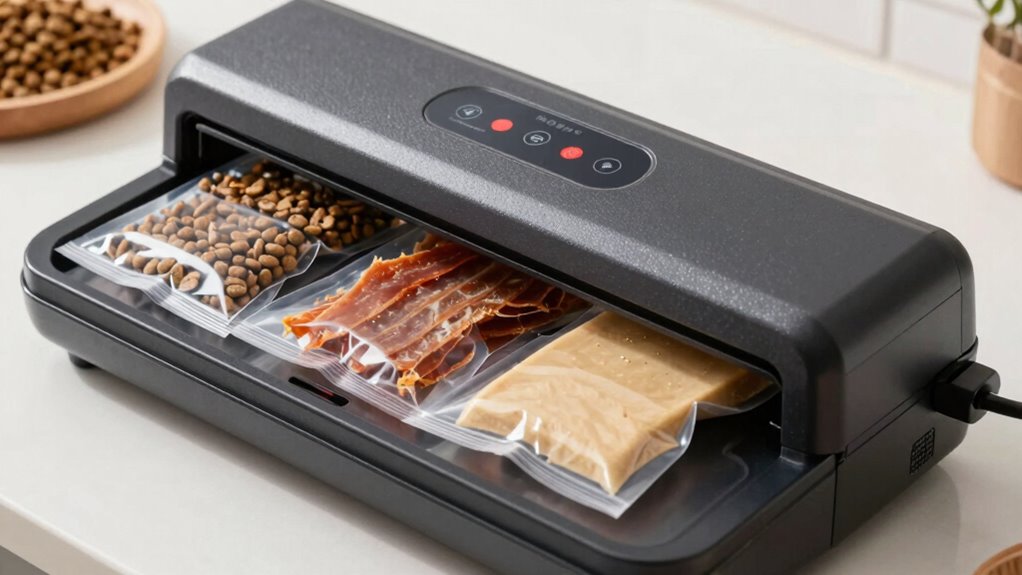
Sealing pet food with a vacuum sealer requires adjusting your technique to accommodate different textures and sizes. The key is to take into account pet food texture, as softer foods may require extra care to prevent crushing, while larger portions need proper sizing before sealing. To optimize your vacuum sealing techniques, keep these tips in mind:
Adjust your vacuum sealing method based on pet food texture and size for optimal preservation.
- Use appropriate bag sizes for larger or irregularly shaped items
- For soft or fragile pet foods, freeze them slightly before sealing to prevent crushing
- Remove as much air as possible without damaging delicate textures
- Seal in smaller portions for easier storage and to prevent repeated exposure to air
Adapting your method ensures better preservation and maintains food quality, regardless of pet food texture or size.
Safety Tips for Vacuum Sealing Pet Food to Prevent Spoilage

To prevent pet food from spoiling, it’s vital to follow proper safety practices when vacuum sealing. Always check pet food labeling to confirm it’s suitable for freezing and vacuum sealing, as some products may not be preserved well this way. Before sealing, make sure your vacuum sealing equipment is clean and in good working order to avoid contamination. Remove as much air as possible to prevent bacteria growth and freezer burn. Label each package with the date sealed to track freshness. Avoid overfilling bags, which can compromise the seal. Also, verify the seal is airtight and secure before storing. These steps help maintain pet food safety, extend freshness, and prevent spoilage caused by improper sealing techniques.
Using Vacuum Sealing to Manage Bulk Pet Food Purchases
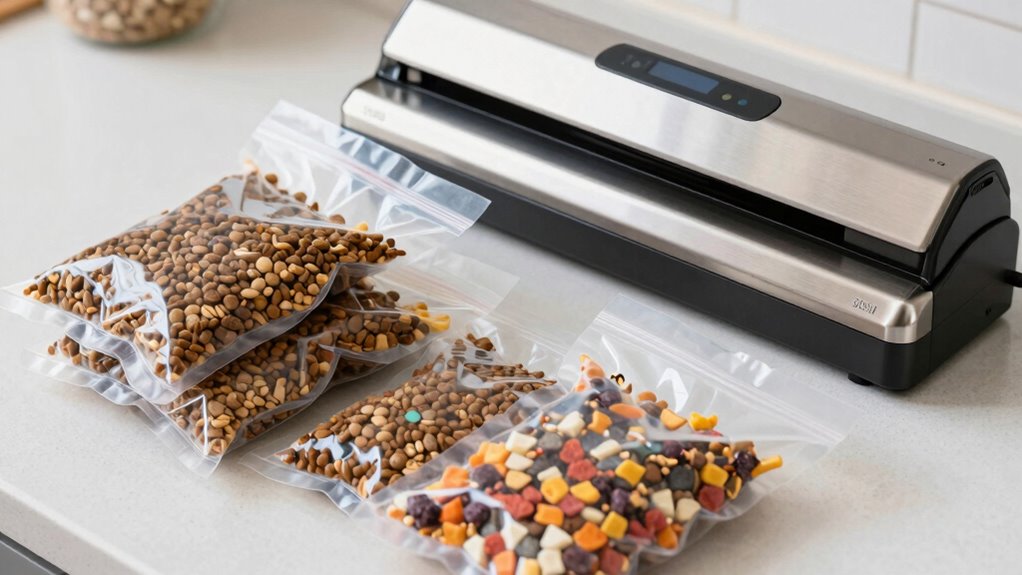
Managing bulk pet food purchases becomes much easier when you use vacuum sealing to divide large quantities into smaller, manageable portions. This approach helps prevent pet food expiration by reducing exposure to air and moisture. Proper packaging materials, like heavy-duty vacuum bags, ensure a tight seal that preserves freshness and minimizes spoilage. When sealing bulk pet food, label each portion with the date to track freshness and avoid waste. This method also simplifies feeding routines and saves money by avoiding frequent trips to buy smaller packages. Additionally, vacuum sealing helps protect against pests and freezer burn, maintaining quality over time. By adopting this strategy, you can efficiently manage large purchases while extending the freshness of your pet’s food.
- Prevents pet food expiration
- Uses durable packaging materials
- Facilitates portion control
- Protects against pests and freezer burn
Limitations of Vacuum Sealing: When to Use Other Preservation Methods
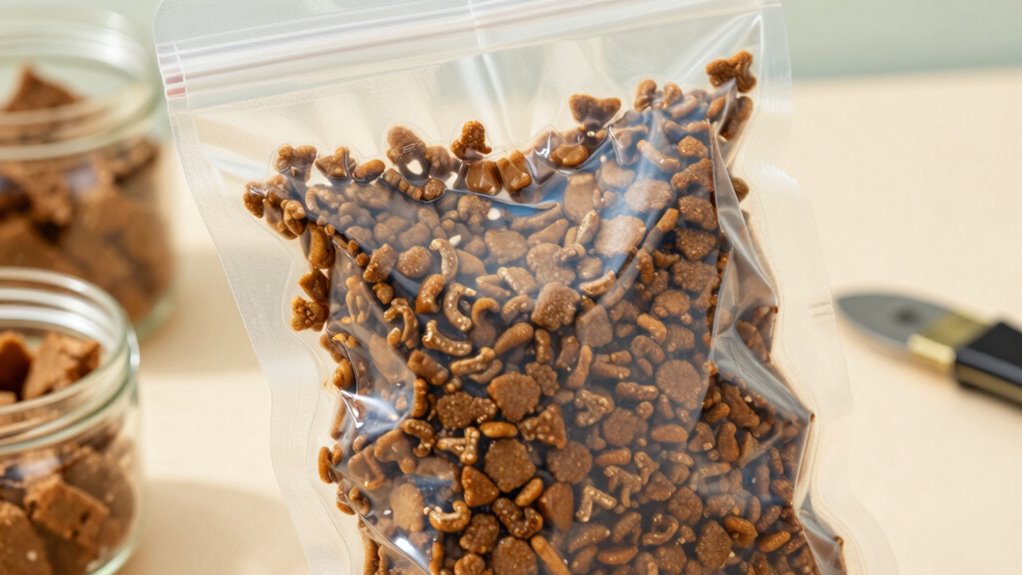
While vacuum sealing is effective for extending the freshness of bulk pet food, it isn’t always suitable for every situation. If your pet food is highly perishable or needs rapid cooling, alternative preservation methods like refrigeration techniques are more reliable. Vacuum sealing doesn’t stop spoilage caused by bacteria or mold once the seal is compromised or if the food was already contaminated. Additionally, some foods are better preserved with freezing or specialized storage methods that control humidity and temperature. For short-term storage, refrigeration techniques can maintain quality without risking freezer burn or compromised seals. Recognizing when vacuum sealing isn’t enough helps ensure your pet’s food stays safe and fresh. Use other preservation methods when dealing with delicate or fast-spoiling items.
Frequently Asked Questions
Can Vacuum Sealing Prevent All Types of Pet Food Spoilage?
Vacuum sealing markedly slows spoilage but can’t prevent all types. Your packaging’s durability matters; if it tears or leaks, air and bacteria can enter. Proper storage conditions are essential—keep sealed pet food in a cool, dark place. While vacuum sealing extends freshness and reduces freezer burn, it doesn’t stop spoilage from mold or bacteria if the food is already contaminated. Always check for signs of spoilage before feeding.
How Long Can Vacuum-Sealed Pet Food Stay Fresh?
Imagine a perfectly sealed bag, locking in freshness like a treasured secret. With vacuum sealing, your pet food stays fresh for 3-6 months in the freezer, extending shelf life and preventing spoilage. If kept refrigerated, it can last 1-2 weeks. Properly vacuum-sealed, you prevent spoilage, save money, and guarantee your furry friend always gets fresh, nutritious meals. Just remember, freshness depends on storage conditions and food type.
Is Vacuum Sealing Effective for Homemade Pet Food Recipes?
Yes, vacuum sealing is effective for homemade pet food recipes because it enhances homemade preservation and extends freshness. You benefit from sealing benefits by removing air, which slows bacteria growth and prevents freezer burn. Just guarantee your homemade recipes are properly cooled before sealing. This way, you maximize freshness and safety, making vacuum sealing a practical method for storing your pet’s homemade meals and keeping them fresh longer.
Does Vacuum Sealing Remove Bacteria or Just Oxygen?
Think of vacuum sealing as locking a treasure chest; it removes oxygen to keep bacteria at bay, but it doesn’t eradicate bacteria already present. While it slows bacterial growth by depriving microbes of oxygen, it doesn’t remove bacteria entirely. So, vacuum sealing mainly prevents new bacteria from thriving, but you should still refrigerate or freeze pet food promptly to ensure safety and freshness.
Can Vacuum Sealing Be Used for Pet Treats and Chews?
Yes, you can vacuum seal pet treats and chews to help preserve their freshness. Doing so slows down spoilage and keeps treats tasting their best longer. Just make sure the treats are dry and properly sealed to prevent moisture from getting in. Vacuum sealing is an effective way to extend treat shelf life and maintain chew freshness, saving you money and reducing waste. Remember to label and date your sealed treats for easy tracking.
Conclusion
Vacuum sealing can considerably extend your pet food’s freshness, but it’s not foolproof. While it preserves many foods, some textures and ingredients still spoil or degrade over time. The real question is, are you aware of the hidden risks lurking in improperly sealed or stored pet food? Don’t let your pet’s health be the surprise. Keep learning, stay vigilant, and discover what secrets vacuum sealing truly holds—and what it might be hiding.