
TL;DR

Get pet supplies delivered free — and shop member deals
- Fast, free delivery on millions of items
- Access to Prime Big Deal Days deals on October 6–7
- Prime Video, Amazon Music and more included
An ASPCA report connects recent meat recalls and a federal plan to import up to 300,000 metric tons of beef with consumer questions about sourcing and labeling. It recommends the ASPCA ShopKind directory to find nearby farms and markets, while its claims about humane production reflect the organization’s guidance and selected certification programs.
The ASPCA is pointing consumers to its ShopKind directory to find local farms and farmers markets after meat recalls and an August federal announcement about beef imports prompted questions about food sourcing, safety and labeling. The recommendation is the organization’s response to those developments, not an official food-safety advisory or a guarantee that products listed in the tool are free of recall risk.
According to the ASPCA report, the White House announced plans in August to import up to 300,000 metric tons of beef from other countries, with the imported product intended to sell at prices 25% below market rates as part of an effort to lower grocery costs. The source does not specify the year of the announcement or provide further details about the countries, schedule or implementation. U.S. cattle ranchers and farmers, the report said, have expressed concern that lower-priced imports could reduce demand for domestic beef and hurt their income.
The report also cited two recalls: a U.S. Department of Agriculture recall of more than 167,000 pounds of raw beef, pork and goat meat from Star Meat Delivery Inc., and a recall of nearly 30,000 pounds of raw beef from Argentina. Those figures are the quantities described in the ASPCA source. It does not give recall dates, affected product identifiers, distribution areas or the stated reason for either recall, so shoppers should consult official USDA notices for current product-specific instructions.
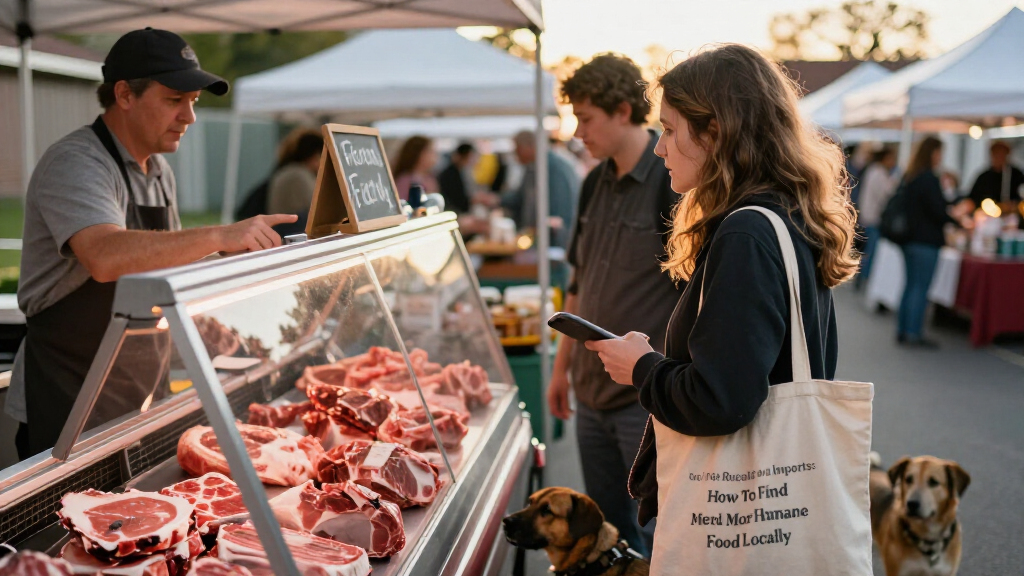
For shoppers seeking alternatives, the ASPCA says ShopKind can help locate farms raising cattle and other animals on pasture and allows users to filter for farms and farmers markets nearby. The organization says farms in the directory hold certifications from independent programs, including the American Grassfed Association and Animal Welfare Approved. Consumers should check each listing and certification’s scope rather than assume that every product or practice is identical.
How Sourcing Choices Affect Shoppers
The recalls and import plan draw attention to different parts of the meat supply chain. Recalls concern food safety and require consumers to identify particular products and follow official handling or disposal instructions. Import plans, by contrast, raise questions about price, origin and domestic producers. The ASPCA report places both developments alongside animal-welfare concerns, but they are distinct issues and should not be treated as evidence that imported meat is less safe or that locally sourced meat is automatically safer.
Finding nearby producers may give shoppers more information about where food comes from and how animals are raised. The ASPCA argues that choosing pasture-based, independent farms can support more humane practices and local communities. That is the organization’s advocacy position; the report does not compare the environmental, safety or economic performance of specific farms. For consumers, the practical value of a directory is that it offers a starting point for asking producers about their methods, certifications, sourcing and handling.
As an affiliate, we earn on qualifying purchases.
Recalls and the Import Proposal
The ASPCA presents its ShopKind recommendation against a backdrop of public questions about meat origin and production. Its cited import proposal was described as an effort to reduce grocery costs through beef priced below market rates, while ranchers and farmers were reported to fear lost demand for domestic products. The source does not establish whether the proposed volume has since been imported or whether the plan changed.
ShopKind is an ASPCA tool, not a government inspection or recall database. The organization describes its listings as farms with certifications from independent programs and promotes pasture-based production as an alternative to corporate factory farming. A certification can provide a defined standard for a farm or product, but shoppers should review what that particular program covers. For recall status and required consumer action, federal notices remain the relevant source.
“The White House announced plans to import up to 300,000 metric tons of beef from other countries.”
— ASPCA report
Details Shoppers Still Need
The source does not identify when the cited recalls occurred, which specific products or lot codes were affected, or why the products were recalled. It also does not say whether the import plan has proceeded, identify the countries involved, or explain how the below-market pricing would be achieved. Those details matter because neither the recall figures nor the proposal alone tell shoppers what products are currently available or subject to action.
The ASPCA report does not independently evaluate the farms in ShopKind or compare their food-safety records with those of other suppliers. A directory listing or welfare certification should not be read as a guarantee against contamination, nor does local origin by itself establish a particular welfare standard. Consumers with a product-safety concern should use USDA recall information and follow its instructions; questions about farm practices are best directed to the producer or certification program.
Checking Listings and Recall Notices
Consumers can use ShopKind to search for farms and farmers markets, then confirm availability and ask sellers about production methods, certification details and product origin. The ASPCA’s recommendation does not replace checking current recall notices. Shoppers who may have purchased affected meat should match product names, labels and lot information against official USDA guidance before deciding what to do.
Further clarity depends on updates from federal agencies and the White House about the status and terms of the beef-import plan, as well as complete recall notices identifying affected products and consumer instructions. The ASPCA report does not provide a date for any next announcement or a measure of how many shoppers use the directory.
Key Questions
What did the White House announce about beef imports?
The ASPCA report says the White House announced plans in August to import up to 300,000 metric tons of beef, with the aim of selling it at prices 25% below market rates to help lower grocery costs. The report does not establish whether the plan has been carried out.
Which recalls does the report cite?
It cites a USDA recall of more than 167,000 pounds of raw beef, pork and goat meat from Star Meat Delivery Inc., and a recall of nearly 30,000 pounds of raw beef from Argentina. For affected products and instructions, check current official USDA recall notices.
How can I find a local farm through ShopKind?
The ASPCA says shoppers can search the ShopKind tool and filter results for farms and farmers markets near them. Contact sellers to confirm what is available and what standards or certifications apply to the products you want.
Does buying local guarantee meat is safer or more humane?
No. Local sourcing alone does not establish a product’s safety or animal-welfare practices. The ASPCA describes ShopKind listings as farms with certifications from independent programs, but shoppers should review each program’s standards and use official recall notices for food-safety information.
Source: rss
Fall Picks
fall essentials
As an affiliate, we earn on qualifying purchases.