To safely tire out your high-drive dog with a flirt pole, follow essential rules like choosing the right equipment, supervising play at all times, and setting clear boundaries. Always use soft, even ground and non-toxic toys to prevent injuries. Watch for signs of fatigue or stress, and stop if your dog shows discomfort. Proper warm-up, cool-down, and teaching basic commands will boost safety. Keep exploring for more tips to maximize fun while keeping your dog safe.
Key Takeaways
- Always supervise play to prevent overstimulation and avoid aggressive or overly intense movements.
- Use appropriate, dog-safe toys and ensure the flirt pole is in good condition before each session.
- Limit play duration based on your dog’s age, energy level, and signs of fatigue to prevent overexertion.
- Choose a safe, soft, and obstacle-free area with clear boundaries to minimize injury risks.
- Follow established rules, including proper warm-up, cool-down, and monitoring for signs of stress or discomfort.

Amakunft Small Animal Pop-Up Playpen with Mesh Cover, 47'' x 23.6'' x 15'' Chicken Brooder Box, Play Pen Indoor Outdoor for Guinea Pigs, Bunny, Rabbits, Ferrets, Chinchillas, Kittens
[Multifunctional Playgpen] This is a playground for small animals, where they can run/play. A temporary place for pets...
As an affiliate, we earn on qualifying purchases.
Why Following Flirt Pole Rules Keeps Your Dog Safe
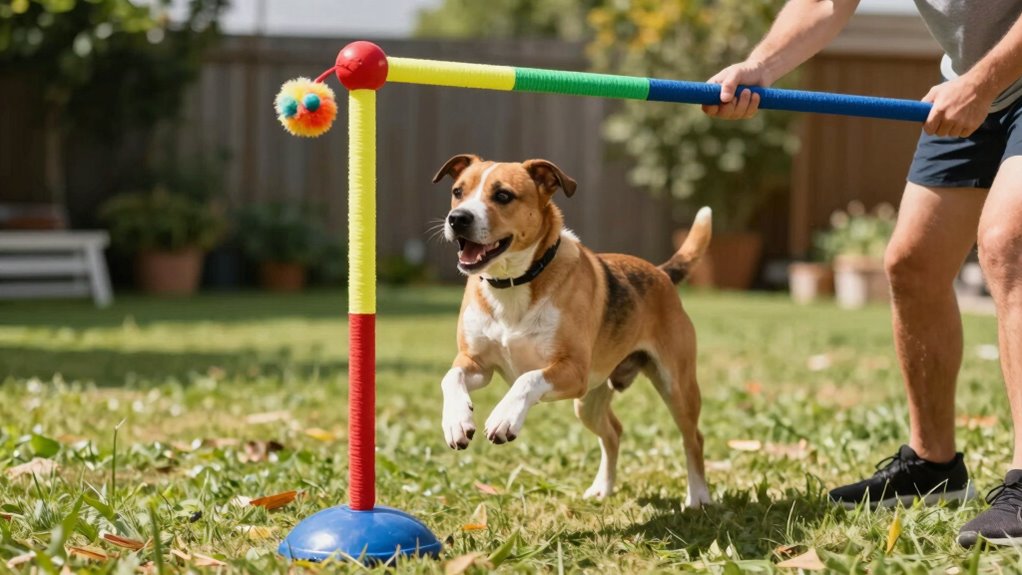
Following flirt pole rules is essential because it helps prevent injuries and guarantees your dog plays safely. When you stick to proper guidelines, you’re also practicing good dog park etiquette, ensuring others feel comfortable around your pet. Using the flirt pole correctly means supervising play, avoiding overstimulation, and knowing when to stop. This approach aligns with water safety principles, emphasizing the importance of controlled play to prevent accidents. Additionally, incorporating leash training into your routine ensures your dog responds well during outdoor outings and can be safely managed around other dogs. Recognizing natural behaviors and understanding your dog’s play style helps you better tailor activities to your dog’s energy level and prevent overexertion. Being aware of play styles allows you to adapt play appropriately, which is crucial for safe exercise and injury prevention. By respecting these rules, you reduce the risk of accidents and promote a positive, safe environment for everyone. Ultimately, following flirt pole rules keeps your dog healthy, happy, and confident during playtime.

Outward Hound Granby Splash Orange Dog Life Jacket, Small
Dog Life Jacket: High-performance dog life vest provides maximum flotation for dogs of all swimming skill levels
As an affiliate, we earn on qualifying purchases.
How to Choose the Best Flirt Pole for Your High-Energy Dog

Choosing the right flirt pole for your high-energy dog starts with understanding their size, strength, and activity level. A sturdy, appropriately sized pole guarantees safe, engaging play without risking injury. For dogs involved in dog agility, look for a flirt pole that’s lightweight and easy to maneuver, mimicking the quick movements they’re used to. If your dog is still in leash training, opt for a model with a gentle, non-abrasive handle to avoid discomfort during extended sessions. Consider durability—high-energy dogs need a flirt pole with strong, chew-resistant materials. The right choice will channel your dog’s natural instincts, improve agility, and tire them out safely. Additionally, using a specialized esthetician magnifying lamp can aid in inspecting your dog’s coat and skin for any issues that may need attention. Regularly examining your dog’s coat can help identify skin conditions early, ensuring their overall health. Understanding natural instincts is essential for selecting a flirt pole that effectively channels your dog’s energy. Recognizing breed-specific traits can help tailor play equipment to better suit your dog’s unique needs. Remember, a well-chosen flirt pole complements your training efforts and keeps playtime fun and safe. Incorporating appropriate training techniques can further enhance safety and effectiveness during play sessions.
Amazon Product B0BR16GFXM
As an affiliate, we earn on qualifying purchases.
Setting Up a Safe Play Area for Flirt Pole Games
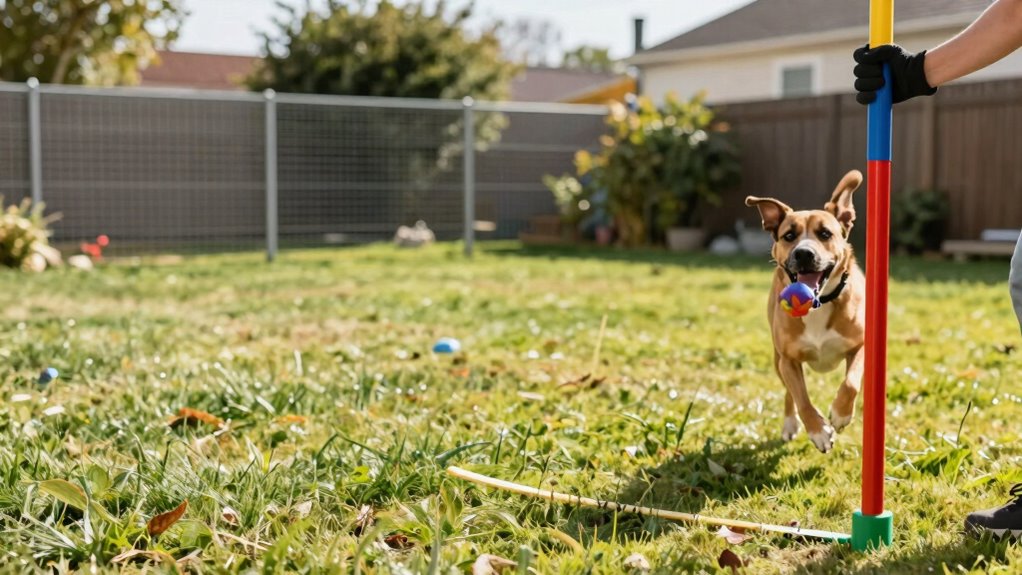
Creating a safe play area for flirt pole games is essential to prevent accidents and guarantee fun. Start by choosing a space with soft, even ground to minimize injury risk. Consider these key points:
- Toy selection: Pick durable, non-toxic toys that won’t break easily or cause choking hazards.
- Leash safety: Use a sturdy leash or long line to maintain control, preventing your dog from darting into unsafe areas.
- Boundaries: Mark clear boundaries to keep your dog within a safe zone, avoiding obstacles like furniture or sharp objects. Additionally, incorporating play area boundaries can help define the safe zone clearly and prevent accidental escapes.
- Design principles: Incorporate smart design to create a living space that is both functional and welcoming, ensuring your play area remains safe and enjoyable. Using suprem fabric for certain elements in the play area can enhance durability and comfort, especially in high-traffic zones or for cushioning. Considering proper surface materials can further reduce the risk of slips and injuries during energetic play. Implementing shock-absorbing surfaces can also significantly decrease injury risk for your energetic pup during play. Ensuring these elements are in place helps protect your dog and makes playtime enjoyable. Proper setup reduces the chance of injuries and keeps your high-energy pup safe during flirt pole fun.
Amazon Product B0C1SHTMN8
As an affiliate, we earn on qualifying purchases.
Proper Warm-Up and Cool-Down Techniques for Playtime
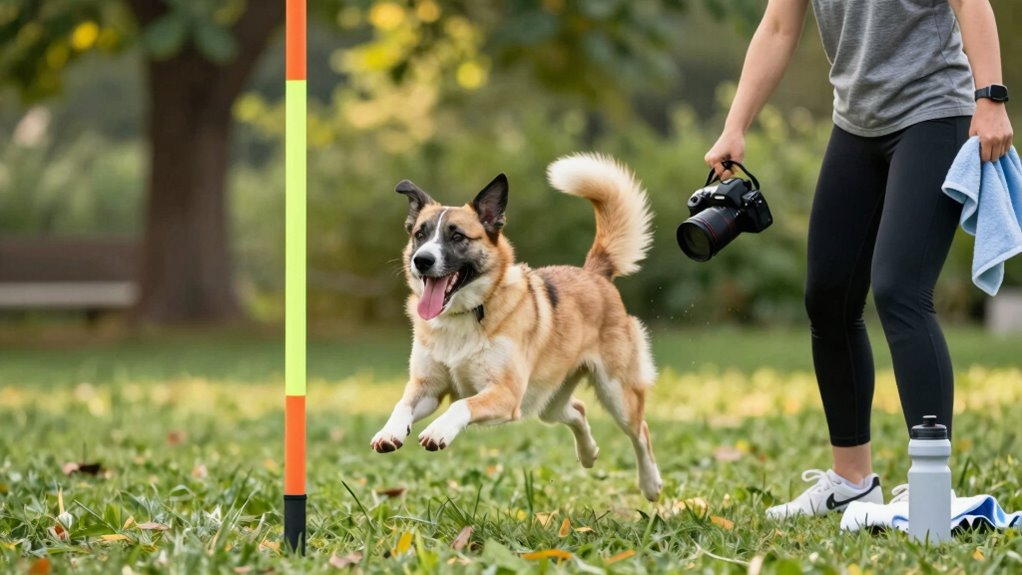
Starting your play session with gentle stretching helps prepare your dog’s muscles and prevent injuries. A gradual warm-up can increase blood flow and reduce the risk of strains. As you increase the intensity, do it gradually to avoid sudden strain. Incorporating visual and auditory cues can further enhance your dog’s understanding of play boundaries and improve overall safety during active sessions. Additionally, using appropriate training signals can help reinforce safe play behaviors and communication. Ensuring proper playground safety conditions can create a secure environment, minimizing potential hazards during energetic activities. Paying attention to contrast ratio in your play area, like proper lighting and shadows, can also help your dog see hazards more clearly, reducing injury risk. Incorporating yarn for scarves knowledge about proper yardage and material can be useful if you’re designing a safe, engaging play area with durable, soft materials. Lastly, always monitor your dog closely for signs of fatigue or discomfort to prevent overexertion.
Gentle Stretching Routines
Before diving into playtime, it’s important to incorporate gentle stretching routines to prepare your dog’s muscles. Stretching helps prevent injuries and eases post-play cool-down. To do this effectively:
- Focus on loosening the neck, shoulders, and hips with slow, gentle movements.
- Incorporate short, controlled stretches during dog grooming sessions, which reinforce trust and calmness.
- Use stretching as part of leash training warm-ups to set a calm tone before active play.
Gradual Intensity Increase
To guarantee your dog’s playtime remains safe and enjoyable, gradually increasing activity intensity is essential. Starting with low-impact activities like leash training prepares your dog’s muscles and mind for more vigorous play, reducing injury risk. Incorporate warm-up exercises that mimic dog agility movements, such as gentle sprints or stretching. Progress slowly to high-energy tasks, paying attention to your dog’s cues. Use this table to guide your warm-up:
| Activity Level | Duration | Focus |
|---|---|---|
| Light walking | 5 minutes | Loosen muscles |
| Gentle play | 3 minutes | Build excitement |
| Moderate activity | 2 minutes | Prepare for intense play |
Additionally, understanding proper warm-up and cool-down techniques can help prevent strains and promote overall safety during play. Being aware of injury prevention strategies ensures you can adjust activities if your dog shows signs of fatigue or discomfort.
Post-Play Rest Periods
After increasing your dog’s activity level gradually, it’s important to incorporate proper cool-down techniques to help them recover and prevent injuries. A well-planned rest period ensures your dog relaxes and reduces muscle strain. During this time, avoid rushing to play on playground equipment or outdoor safety hazards. Instead, follow these steps:
- Walk your dog slowly for 5-10 minutes to lower their heart rate.
- Offer water to keep them hydrated.
- Provide a calm, shaded area for relaxation, avoiding strenuous activity immediately afterward.
- Incorporate proper warm-up and cool-down techniques to support your dog’s recovery process. These techniques are essential for minimizing muscle strain and promoting overall safety during high-energy play sessions. Additionally, understanding how to manage high-drive behavior can help prevent overstimulation and injuries. Proper post-play recovery routines are vital for maintaining your dog’s health and ensuring they remain safe during vigorous activities. Incorporating rest and recovery periods can also help prevent fatigue and encourage healthy activity levels over time.
These steps help your dog recover safely and prevent overstimulation or injuries from high-drive play. Proper post-play rest is essential for maintaining their health and guaranteeing outdoor safety during future play sessions.
How to Teach Your Dog Basic Flirt Pole Commands
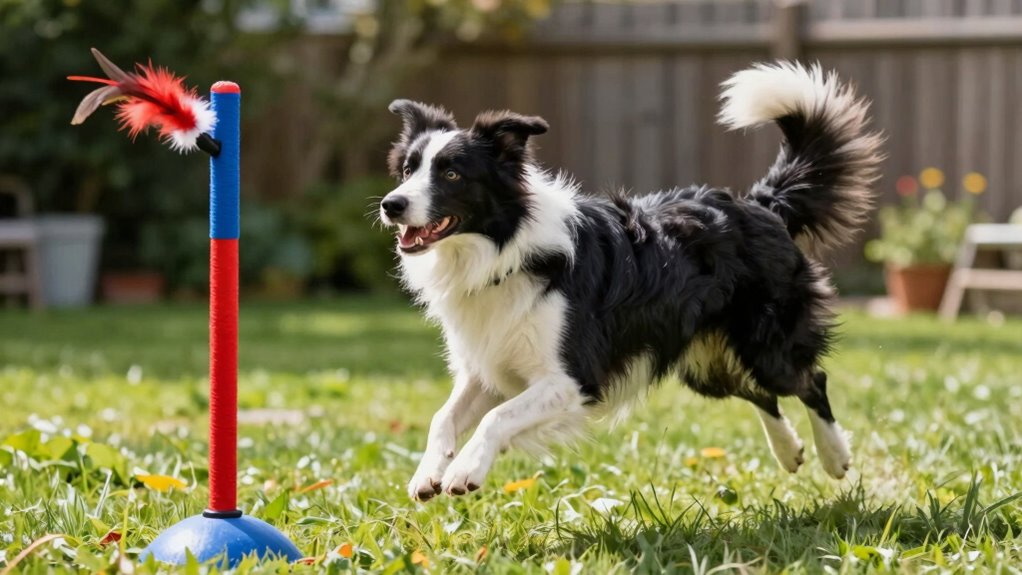
To teach your dog basic flirt pole commands, you need to establish clear command foundations first. Consistently use reinforcement and rewards to encourage your dog to respond correctly. With patience and practice, your dog will learn to follow commands confidently during play.
Basic Command Foundations
Teaching your dog basic flirt pole commands starts with establishing clear, consistent cues. Effective training techniques rely on simple, memorable signals that your dog can understand and respond to reliably. Keep breed considerations in mind, as some breeds may learn faster or need different approaches. To build a strong foundation, focus on these key steps:
- Use a distinct verbal cue paired with a visual gesture to signal commands.
- Practice in low-distraction environments to reinforce understanding.
- Be patient and consistent, gradually increasing difficulty as your dog masters each command.
These steps help your dog associate specific cues with behaviors, making training smoother. With patience and tailored techniques, you’ll develop reliable command responses that keep your high-drive dog engaged and safe during flirt pole play.
Reinforcement and Rewards
Using effective reinforcement and rewards is essential to teaching your dog basic flirt pole commands successfully. Positive reinforcement encourages your dog to stay engaged and enthusiastic to learn. When your dog successfully follows a command, reward with praise, treats, or a favorite toy. This builds trust and solidifies the behavior, especially during puppy socialization and leash training. Consistency is key; always reward promptly to reinforce the connection. Remember to vary rewards to keep your dog motivated and interested.
| Behavior | Reward Type | Timing |
|---|---|---|
| Following commands | Verbal praise | Immediately after |
| Successful catches | Favorite toy | Right after |
| Staying focused | Treats | During practice |
| Calmness during play | Gentle petting | When calm |
| Returning to you | Play session | After returning |
Recognizing Signs of Fatigue and Knowing When to Stop Playing
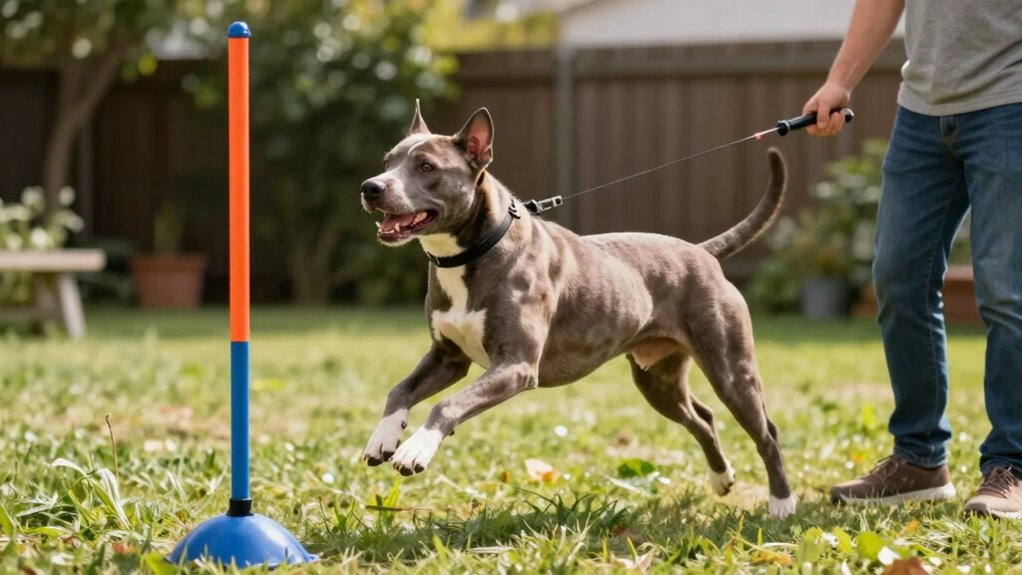
Recognizing when your dog is tired is essential to prevent overexertion and guarantee safe play. Fatigue signs can include slowed movements, yawning, or a lack of enthusiasm. During flirt pole play, watch for these cues to avoid pushing your dog beyond their limits. Remember, overexertion can negatively impact their dog agility and may interfere with their nutritional needs. To gauge fatigue effectively, consider these points:
- Observe your dog’s body language for signs of exhaustion.
- Limit play sessions to prevent overstimulation and stress.
- Ensure your dog has adequate rest and proper nutrition to recover.
Knowing when to stop helps maintain your dog’s health and keeps play safe and fun for both of you. Always prioritize their well-being over the game’s duration.
Common Mistakes to Avoid During Flirt Pole Play
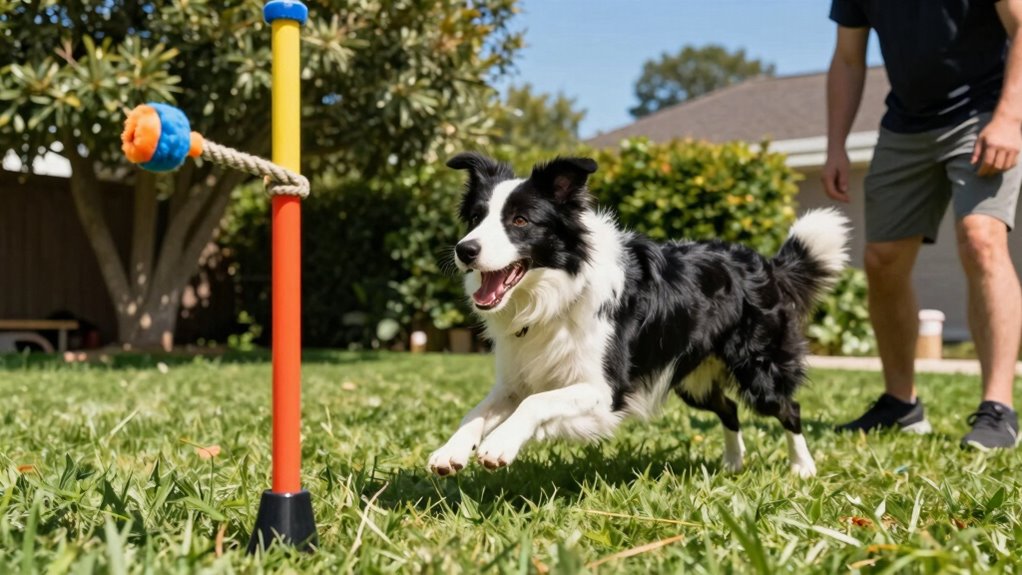
One common mistake during flirt pole play is encouraging your dog to chase excessively or too aggressively, which can lead to overexertion and potential injury. To avoid this, practice good dog park etiquette by monitoring your dog’s excitement levels and setting boundaries. Don’t let the chase become frantic or uncontrolled, as this increases the risk of strain or accidents. Also, make certain leash safety by keeping your dog on a loose leash when not actively playing to prevent sudden lunges or running into hazards. Always supervise play and recognize when your dog shows signs of fatigue or stress. Overcoming these mistakes helps keep play safe, fun, and effective without risking injury or creating unsafe situations for you or other park visitors.
Different Flirt Pole Drills to Keep Your Dog Engaged
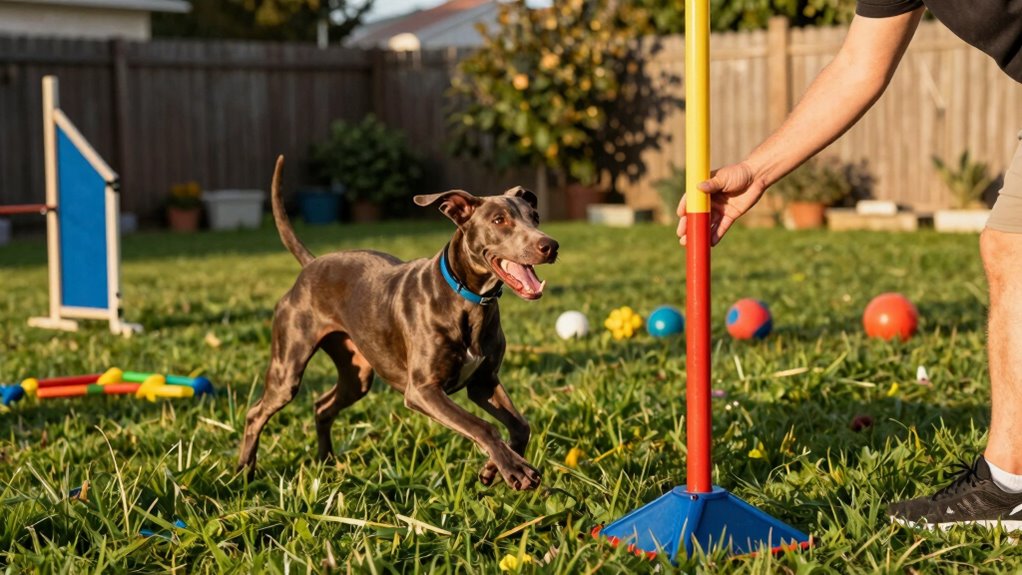
To keep your dog interested and motivated during flirt pole play, incorporating a variety of drills can make a big difference. These drills challenge your dog’s agility and focus while preventing boredom. First, try zigzag runs, where you move the flirt pole side to side to mimic agility courses, enhancing their coordination. Second, incorporate treat training by rewarding quick, precise responses, reinforcing positive behavior. Third, add sudden stops and starts to simulate real chase scenarios, boosting their drive and control. These exercises keep your dog mentally engaged and physically tire them out safely. Mixing in these drills ensures your dog stays motivated and attentive, making flirt pole play both fun and effective in building skills and burning energy.
How to Monitor Your Dog’s Health During Intense Play Sessions
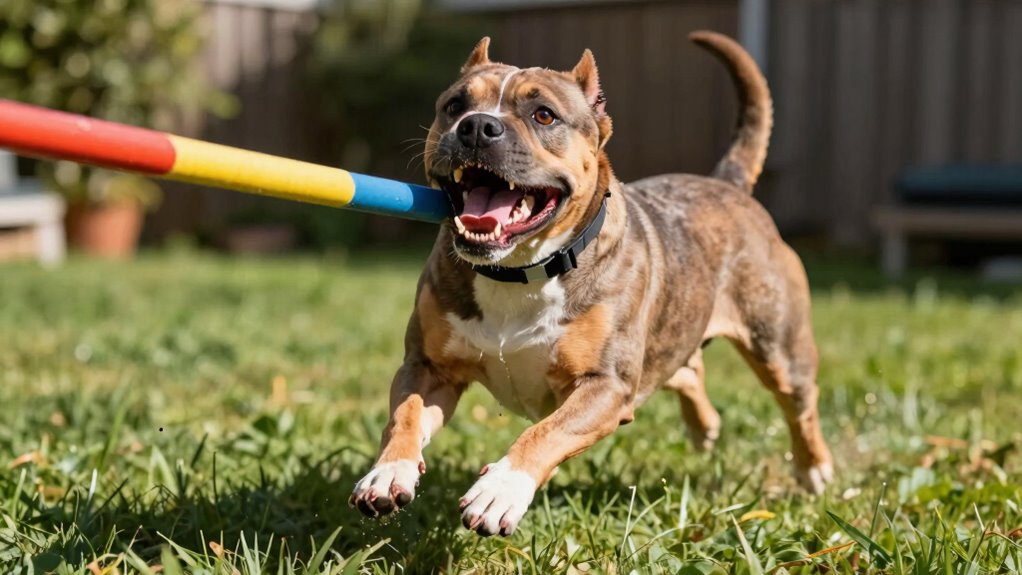
As your dog dives into intense play sessions, staying attentive to their physical cues is essential for guaranteeing their safety. Watch for signs of fatigue, excessive panting, or droopy ears, which indicate they need a break. Keep an eye on your dog’s hydration; offering water regularly helps prevent dehydration, especially during vigorous activity. Monitor for any sudden limping, cuts, or swelling that could signal injury. Prevent injury by avoiding overly aggressive pulls or rough play. Take frequent breaks to allow your dog to rest and recover. If you notice unusual behavior or signs of distress, pause the session immediately. Properly monitoring your dog’s health during play helps prevent injuries and ensures they stay happy and healthy while enjoying their flirt pole fun.
Troubleshooting Safety Concerns and Adjusting Your Flirt Pole Routine
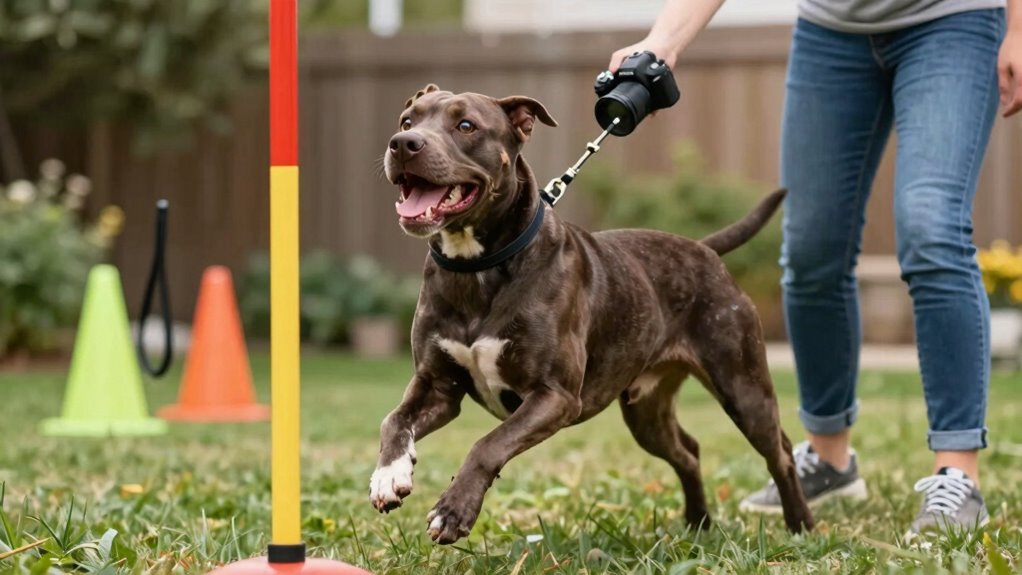
When you notice your dog hesitating or showing signs of discomfort during play, it’s important to address safety concerns promptly. First, check that your dog is wearing a well-fitted dog harnesses to prevent strain and reduce injury risks. Second, evaluate the intensity of the flirt pole routine: if your dog becomes overly aroused or aggressive, slow down or take breaks. Third, incorporate leash training techniques during play to maintain control and prevent accidental escapes. Adjust your routine by reducing the duration, increasing rest periods, or modifying the play area. Always observe signs of fatigue or discomfort, and never push your dog beyond their limits. These steps help ensure safe, enjoyable play sessions and prevent injuries.
Frequently Asked Questions
How Often Should I Schedule Flirt Pole Sessions for My Dog?
You should schedule flirt pole sessions 2 to 3 times a week, depending on your dog’s energy level. Keep an eye on play session frequency and watch for dog fatigue cues like heavy panting or slowing down. If your dog seems tired, give them a break before playing again. Consistent, moderate sessions help burn energy safely while preventing overexertion or injury.
Can Flirt Pole Play Replace Daily Walks and Exercise?
A stitch in time saves nine, and incorporating flirt pole play can be a valuable part of your dog’s enrichment, but it shouldn’t replace daily walks and physical activity. While flirt poles effectively tire out high-drive dogs and boost mental stimulation, they lack the variety and social benefits of walks. For ideal health, blend flirt pole sessions with regular walks, ensuring your dog gets both physical exercise and mental enrichment every day.
Is It Safe to Use a Flirt Pole Indoors?
Using a flirt pole indoors can be safe if you prioritize indoor safety and choose a durable toy. Make sure to clear the area of obstacles to prevent accidents and supervise your dog during play. Select a flirt pole made from sturdy materials to withstand vigorous tugging and chasing. Always monitor your dog’s energy level and avoid overly aggressive play to keep indoor sessions safe and fun for both of you.
What Age Is Appropriate to Start Flirt Pole Training?
Think of your puppy as a budding artist—early enough to shape skills, but too fragile to handle harsh tools. You should start flirt pole training around 12 weeks when they show puppy readiness, ensuring toy safety is prioritized. Keep sessions short, gentle, and fun, gradually increasing difficulty. This approach helps build confidence and coordination, all while protecting their developing joints and teeth.
How Do I Prevent My Dog From Becoming Overly Possessive of the Flirt Pole?
To prevent your dog from becoming overly possessive of the flirt pole, practice possessiveness prevention by setting clear boundaries and avoiding encouraging resource guarding. Always supervise play, and if your dog guards the flirt pole, stop play immediately and teach a “leave it” command. Reward calm behavior and avoid tugging or pulling excessively. Consistent, positive reinforcement helps your dog understand that sharing and controlled play are okay, reducing possessiveness.
Conclusion
Remember, mastering flirt pole safety is like steering a ship through calm waters—your vigilance keeps your high-energy dog safe and happy. By following these rules, setting up proper routines, and watching for signs of fatigue, you guarantee every play session is a fun adventure rather than a storm. Keep your dog’s well-being at the forefront, and you’ll both enjoy countless joyful, safe moments together—like explorers charting a course through endless fun.