To create a DIY sniff garden for your dog, choose safe, non-toxic plants like lavender, rosemary, or mint, and set up a secure fence to keep your pup safe. Incorporate scented treats or toys hidden among the plants to encourage exploration and use positive reinforcement to boost their confidence. Keep the area clean and check regularly for hazards. If you want to discover more ways to make your dog’s outdoor space safe and fun, keep exploring these tips.

Get pet supplies delivered free — and shop member deals
- Fast, free delivery on millions of items
- Access to Prime Big Deal Days deals on October 6–7
- Prime Video, Amazon Music and more included
Key Takeaways
- Select non-toxic, aromatic plants like lavender, rosemary, and mint to create engaging scents for dog sniffing.
- Enclose the garden with a secure fence to prevent escapes and ensure safety during exploration.
- Incorporate hidden treats or toys to promote scent-tracking and mental stimulation.
- Use positive reinforcement training techniques to encourage and focus dogs’ scent work in the garden.
- Regularly inspect for hazards, maintain plant health, and keep the area clean for a safe, engaging environment.
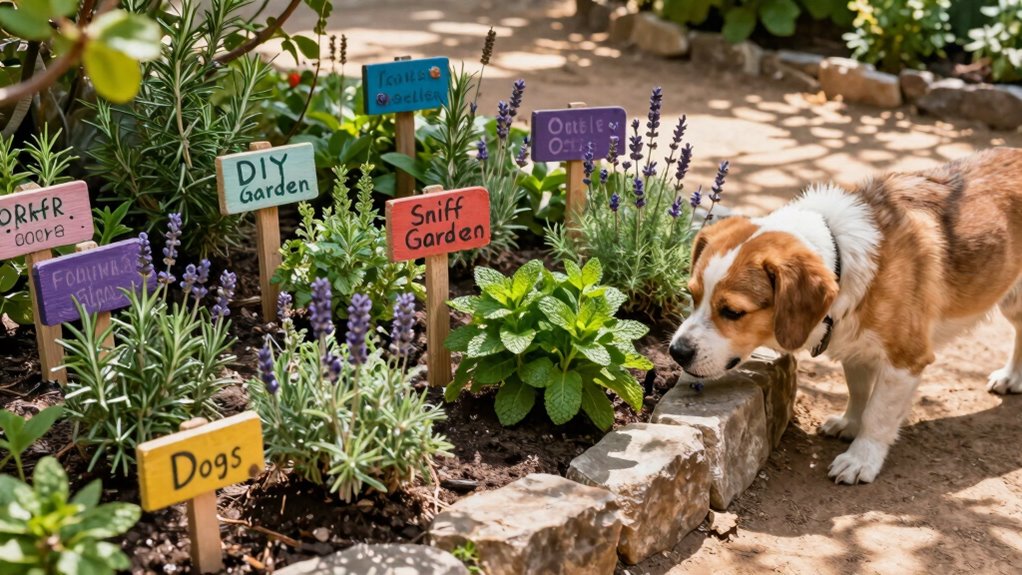
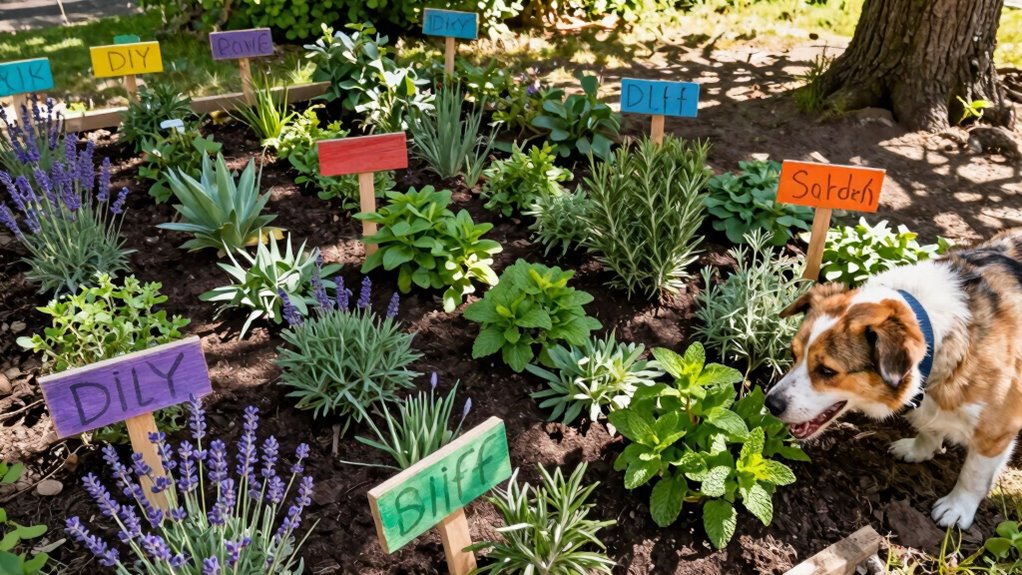
Creating a DIY sniff garden for your dog is a fun way to stimulate their senses and keep them engaged outdoors. This project offers a great opportunity to incorporate dog training techniques while guaranteeing your furry friend stays safe during their explorations. When designing your sniff garden, think about creating a space filled with a variety of natural scents that will intrigue your dog’s nose and encourage their natural sniffing behavior. Use herbs, flowers, and other plants with strong, appealing aromas like lavender, rosemary, or mint. These not only provide sensory stimulation but also add beauty to your outdoor space.
Create a safe, scent-filled garden with herbs and flowers to stimulate your dog’s natural sniffing instincts.
However, as you set up the garden, it’s vital to keep garden safety in mind. Make sure to select non-toxic plants, especially if your dog tends to dig or nibble at the foliage. Avoid plants that are poisonous or irritating, such as azaleas, lilies, or certain bulbs. You also want to guarantee that your garden is enclosed or fenced to prevent your dog from wandering off or getting into unsafe areas. Regularly inspect the space for hazards like sharp sticks, broken plant containers, or toxic substances that could harm your dog. Incorporating garden safety tips can help create a secure environment for your pet. Additionally, choosing the right cleaning equipment for outdoor spaces can help maintain a tidy and safe environment, especially if your dog’s sniff garden is part of a larger yard. Adding appropriate tools can further enhance your garden’s safety and cleanliness.
Incorporating dog training into your sniff garden adds an extra layer of benefit. Use positive reinforcement to encourage your dog to explore the different scents deliberately. For example, reward your dog with treats and praise when they sniff or interact with specific plants or areas. This approach helps teach your dog to focus on scent work, which is excellent for mental stimulation and building their confidence. As your dog learns to navigate the garden calmly, you can introduce commands like “sniff” or “find it” to reinforce their training. Always keep sessions short and fun, gradually increasing complexity as your dog becomes more comfortable. Including training techniques can further improve your dog’s ability to concentrate and enjoy their outdoor experience.
To make the sniff garden more engaging, consider hiding treats or small toys among the plants. This will encourage your dog to use their nose and develop their scent-tracking skills. Be sure to supervise your dog at all times, especially during the initial exploration, to prevent them from eating or chewing on plants or objects that might be unsafe. Remember, the goal is to create a safe, stimulating environment that nurtures your dog’s natural instincts and strengthens your bond through training. By paying attention to garden safety and implementing basic dog training principles, your DIY sniff garden can become a beloved outdoor retreat for your dog, providing endless fun and mental enrichment.
As an affiliate, we earn on qualifying purchases.
Frequently Asked Questions
How Often Should I Clean My Dog’s Sniff Garden?
You should clean your dog’s sniff garden weekly to maintain excellent plant health and hygiene. Regular plant maintenance involves removing debris, dead leaves, and mold, which can build up and affect your dog’s safety. Keep an eye on the cleaning frequency, especially if the garden gets muddy or dirty often. Consistent cleaning helps prevent bacteria and keeps the sniff garden safe and enjoyable for your furry friend.
Can I Use Artificial Plants in the Sniff Garden?
Yes, you can use artificial plants in your dog’s sniff garden. They provide a safe way to stimulate your dog’s sense of smell without the risks associated with real plants. Artificial plants are durable and easy to clean, making them ideal for scent stimulation. Just make certain the materials are non-toxic and free of any sharp edges, so your dog can safely enjoy exploring and engaging with their sniff garden.
What Safety Precautions Are Necessary During Setup?
You should take safety precautions during setup by carefully selecting non-toxic plants and avoiding any that could harm your dog. Use pet-safe pest control methods to prevent exposure to harmful chemicals. Make certain the area is secure, free of sharp objects, and that plants are securely anchored to prevent tipping. Regularly inspect the garden for pests or hazards, and always supervise your dog during sniff garden activities to ensure safety.
How Do I Prevent My Dog From Damaging the Garden?
Like Icarus, your dog might fly too close to the sun, damaging your garden. To prevent this, choose sturdy, dog-safe plants and avoid fragile or toxic ones. Regular soil maintenance, like adding mulch or barriers, keeps your garden intact. Training your dog to respect boundaries also helps. With thoughtful plant selection and diligent soil care, you create a secure space where your dog can explore without wreaking havoc.
Are There Specific Scents That Are More Stimulating for Dogs?
Certain scents are more stimulating for dogs due to their scent hierarchy and aromatic compounds. Dogs respond strongly to smells like vanilla, which has a high scent hierarchy, and aromatic compounds found in herbs like rosemary and mint. These scents engage their olfactory senses and encourage exploration. When creating a garden, include these fragrances to boost your dog’s interest and stimulate their senses, making the sniff garden more engaging and fun for your furry friend.
Conclusion
As you watch your furry friend explore their new sniff garden, remember that you’re nurturing their natural instincts, much like a gardener tending to delicate blooms. With each scent they uncover, you’re creating a haven of discovery and joy—an outdoor Eden just for them. So, keep cultivating this space with love and patience, and watch your dog flourish in their own little paradise, echoing the timeless bond between nature and nurture.
Evergreen bestsellers Picks
bestsellers
As an affiliate, we earn on qualifying purchases.