
To build a dog ramp for beds and couches, start by measuring the height to determine the ramp’s length, ideally twice the height. Use lightweight but sturdy materials like plywood, and add side supports for stability. Cover the surface with non-slip material such as grip tape or carpet. Secure the ramp in place with straps or non-slip pads and encourage your dog gradually. Keep safety in mind—more detailed steps and tips await you below.
Key Takeaways
- Measure the height from the floor to the furniture to determine the appropriate ramp length, typically twice the height.
- Construct the ramp using lightweight, durable materials like plywood, and add side supports for stability.
- Cover the surface with non-slip materials such as carpet, grip tape, or rubber mats to ensure safety.
- Secure the ramp at the top and bottom, using straps or non-slip pads, to prevent sliding during use.
- Introduce the ramp gradually with treats and praise, reinforcing positive associations for your dog.

If your dog has trouble jumping onto furniture or into your vehicle, building a dog ramp can provide a simple and effective solution. It not only makes life easier for your furry friend but also helps prevent injuries caused by repeated jumping or strain. Creating a ramp tailored to your dog’s size and needs can be a straightforward project, and you don’t need fancy tools or materials to get started. With a little planning, you can craft a sturdy, safe, and non-slip ramp that blends seamlessly into your home decor.
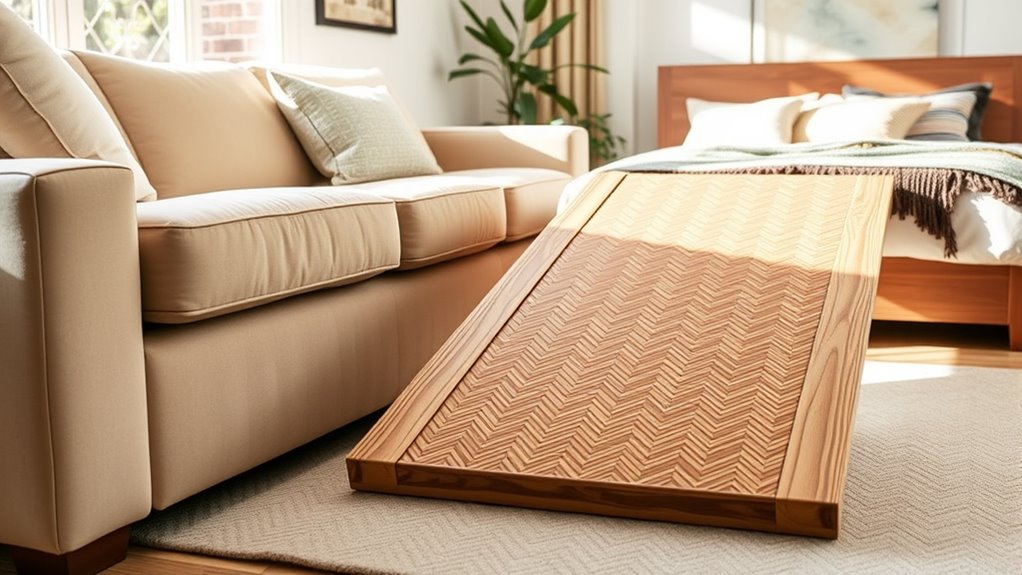
Begin by choosing the right materials. You want something lightweight yet durable, like plywood or MDF for the base, with a non-slip surface on top. You can use carpet, grip tape, or rubber mats for traction. Make sure the surface isn’t too steep; a gentle incline, around 15 to 20 degrees, is ideal for most dogs. Measure the height from the floor to the top of the furniture or vehicle entry point, and decide on an appropriate length for the ramp—usually, twice the height is a good rule of thumb. For example, if your bed is 24 inches high, aim for a ramp that’s about 4 to 5 feet long to ensure a gentle slope.
Choose lightweight, durable materials and aim for a gentle 15-20 degree incline for your dog ramp.
Once you’ve gathered your materials, cut the plywood to your desired length and width—generally, 16 to 20 inches wide offers enough space for your dog to comfortably walk up and down. Attach sturdy side rails or supports underneath to prevent wobbling and add stability. Cover the surface with your chosen non-slip material, securing it tightly so it won’t shift when your dog steps on it. You might also consider adding a lip or edge along the bottom to prevent your dog from slipping off the ramp at the base.
Position the ramp at the edge of your bed or couch, ensuring it’s stable and doesn’t slide when in use. For added safety, you can secure it with furniture straps or non-slip pads underneath. Encourage your dog to use the ramp gradually, rewarding them with treats and praise as they get comfortable walking up and down. Over time, your dog will start to see the ramp as a normal part of their routine, reducing their anxiety and making their daily activities much easier.
Building a ramp for beds and couches doesn’t have to be complicated or expensive. With some basic supplies and patience, you create a customized solution that supports your dog’s mobility and keeps them safe, all while preserving the comfort of your home.
As an affiliate, we earn on qualifying purchases.
Frequently Asked Questions
What Materials Are Best for Outdoor Dog Ramps?
You should use weather-resistant materials like pressure-treated wood, composite decking, or plastic for outdoor dog ramps. These materials withstand rain, sun, and snow, preventing rot and warping. Aluminum is lightweight, durable, and corrosion-resistant, making it a great option too. Avoid softwood or untreated materials that can deteriorate quickly. Choose a non-slip surface, such as textured rubber or outdoor-rated paint, to keep your dog safe while using the ramp.
How Do I Customize a Dog Ramp for Small Breeds?
Think of customizing a dog ramp like tailoring a suit to fit perfectly. To suit small breeds, make it shorter and steeper for easy climbing, and use lightweight, non-slip materials like rubber or textured wood. Attach a gentle incline, and consider adding comfy padding or a colorful cover. You’re crafting a cozy bridge that invites your tiny companion to cross with confidence, fitting their size and needs like a glove.
Are There Safety Tips for Training My Dog to Use the Ramp?
Yes, there are safety tips when training your dog to use the ramp. Always start slowly, encouraging your dog with treats and praise. Make sure the ramp is stable and non-slip, and guide your dog gently without forcing. Keep training sessions short and positive, and be patient as your dog learns. Never rush or punish your dog if they’re hesitant, and always supervise during initial use to prevent accidents.
How Can I Prevent My Dog From Slipping on the Ramp?
To prevent your dog from slipping on the ramp, make sure it has a non-slip surface like rubber or adhesive grip tape. Keep the ramp clean and dry, especially after walks or spills. You can also add a textured mat or carpet on top for extra traction. Encourage your dog to use it gradually, praising them for confidence, and avoid rushing their training to build trust and comfort on the ramp.
What Is the Average Cost to Build a Dog Ramp?
The average cost to build a dog ramp ranges from $50 to $150, depending on materials and size. If you choose basic plywood and paint, it’s more affordable. Higher-quality wood or custom features like non-slip surfaces or adjustable heights will increase the price. You can save money by building it yourself, but always prioritize your dog’s safety and comfort. Remember, investing in a sturdy, safe ramp is worth the cost.
Conclusion
Creating this dog ramp isn’t just about helping your pup reach higher places; it symbolizes your care and dedication. Like a bridge connecting comfort and independence, your effort builds trust and strength in your bond. Every step your dog takes on the ramp echoes your compassion, turning simple materials into a lasting symbol of love. In this small act, you craft more than a ramp—you craft a shared journey of comfort and connection that lasts a lifetime.