Coprophagia in dogs is a common, natural behavior often caused by nutritional deficiencies, boredom, or environmental triggers. To stop it, you should keep your yard clean, use commands like “leave it,” and offer toys or treats to redirect their focus. Dietary adjustments, such as adding fiber or enzymes, can help reduce cravings. If the behavior persists or your dog shows signs of illness, consulting your vet is essential. For more tips, keep exploring how you can effectively manage this behavior.
Key Takeaways
- Coprophagia is common in dogs and can result from nutritional deficiencies, boredom, or environmental triggers.
- Regular cleaning of feces and environmental management reduce opportunities for dogs to eat feces.
- Training commands like “leave it” and providing engaging toys help redirect dogs’ attention and discourage poop-eating.
- Dietary adjustments, such as adding fiber or digestive enzymes, can decrease cravings and improve digestion.
- Consult a veterinarian if coprophagia persists or is accompanied by health issues to rule out underlying medical causes.
dog poop eating deterrent spray
As an affiliate, we earn on qualifying purchases.
As an affiliate, we earn on qualifying purchases.
What Is Coprophagia and Why Do Dogs Eat Poop?

Have you ever wondered why some dogs eat poop? It’s a behavior that puzzles many pet owners and can be confusing or concerning. Coprophagia, or poop eating, is a common issue linked to dog behavior, but it can also impact your pet’s health. Dogs might do this to explore their environment, due to boredom, or because of nutritional deficiencies. Sometimes, it’s simply a natural instinct, especially in puppies learning about their world. While it’s often harmless, eating feces can expose your dog to parasites or bacteria, affecting their overall health. Recognizing this behavior is the first step in ensuring your dog’s well-being and maintaining their health. Additionally, high-quality nutrition and proper training techniques can help reduce this behavior, as nutritional deficiencies are a common cause of coprophagia. Understanding behavioral triggers can also assist in managing and preventing the habit effectively. Addressing environmental factors that contribute to this behavior can further improve your dog’s habits and health.
dog enrichment toys
As an affiliate, we earn on qualifying purchases.
As an affiliate, we earn on qualifying purchases.
What Causes Coprophagia in Dogs? Nutritional and Behavioral Triggers
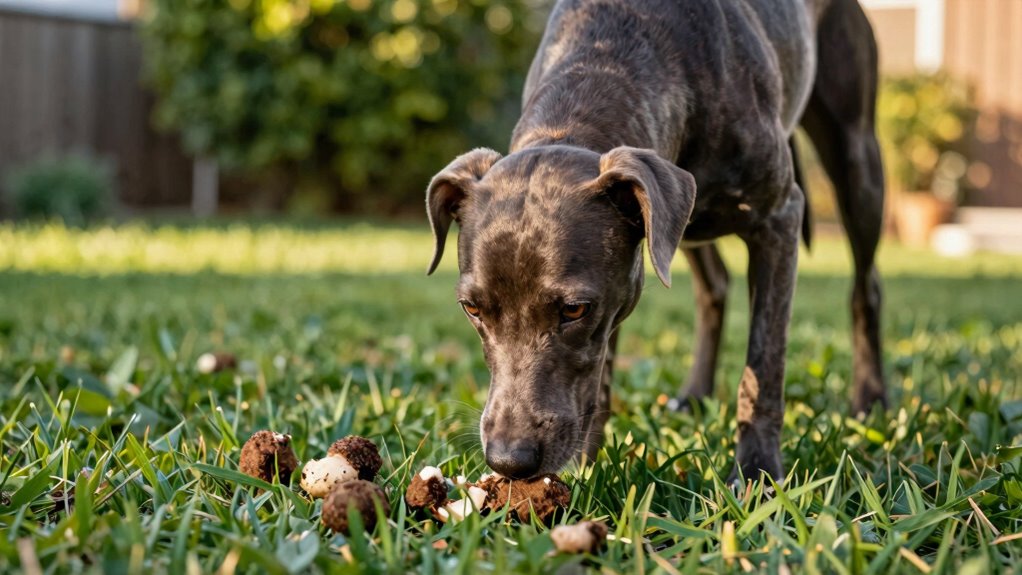
Understanding what triggers coprophagia in dogs requires looking at both nutritional deficiencies and behavioral factors. Dietary deficiencies, such as low levels of enzymes or minerals, can lead dogs to eat poop in an attempt to compensate. They might also do this if their diet lacks essential nutrients or is not properly balanced. On the behavioral side, boredom and anxiety play significant roles. Dogs that aren’t mentally stimulated or are stressed may develop coprophagia as a coping mechanism or out of curiosity. Additionally, some dogs learn this behavior from their environment or other animals. Recognizing these triggers helps you address the root causes, whether through improving their diet or providing more mental and physical engagement, reducing the likelihood of poop-eating habits developing or continuing. Being aware of toilet flushing mechanisms can also inform pet owners about avoiding accidental ingestion of waste from improper disposal practices.
digestive enzyme supplements for dogs
As an affiliate, we earn on qualifying purchases.
As an affiliate, we earn on qualifying purchases.
How Can I Tell If My Dog’s Poop-Eating Is a Health Issue? Signs to Watch For
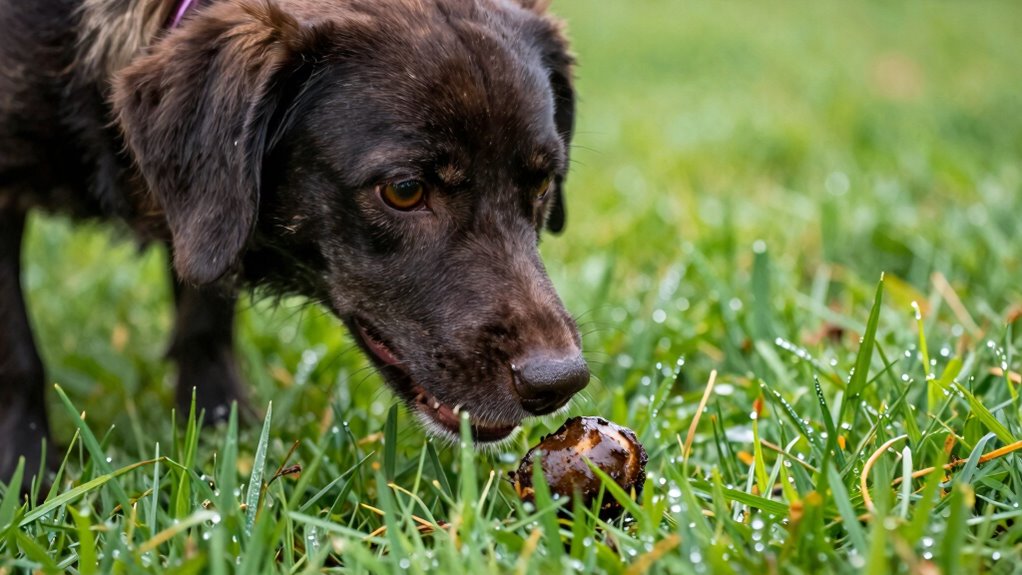
While some dogs eat poop out of curiosity or behavioral habits, it’s important to watch for signs that indicate a health problem may be involved. If your dog suddenly starts eating poop more frequently or shows signs of gastrointestinal distress, it could signal an underlying issue. Pay attention to symptoms like vomiting, diarrhea, weight loss, or a dull coat, which may suggest nutritional deficiencies or health concerns. Consider consulting your vet about adding dietary supplements to address possible deficiencies. Also, increasing environmental enrichment can help reduce boredom and minimize coprophagia. If these signs persist despite adjustments, it’s a good idea to seek veterinary advice to rule out medical conditions and ensure your dog’s health is not at risk.
dog training clicker and treats
As an affiliate, we earn on qualifying purchases.
As an affiliate, we earn on qualifying purchases.
Natural Remedies to Stop Your Dog From Eating Poop
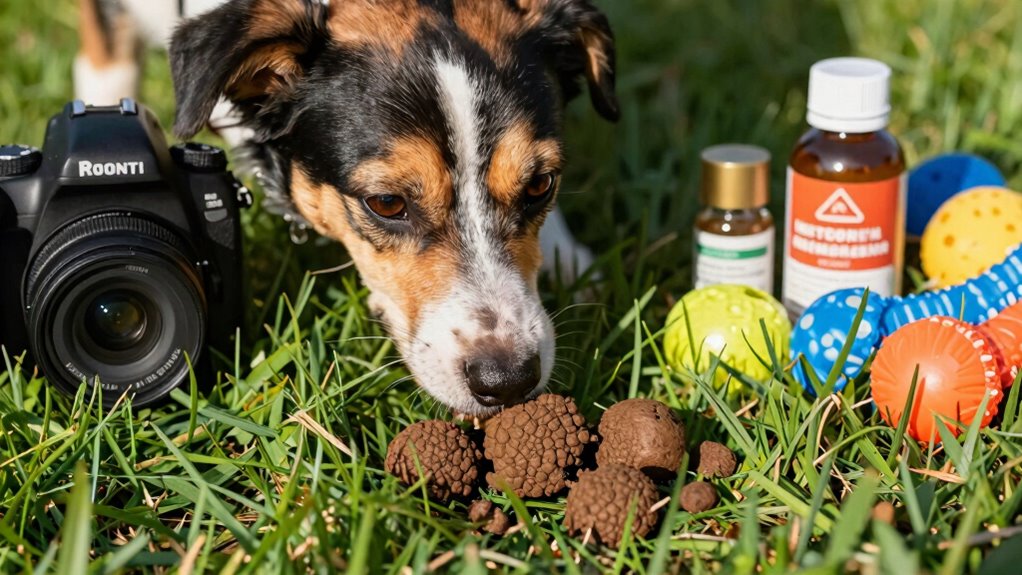
To help curb your dog’s poop-eating habit naturally, consider adding digestive enzymes to their meals to improve digestion. You might also try taste aversion sprays that make poop less appealing, and increasing dietary fiber can make their stool less tempting. These simple strategies can make a real difference in stopping the behavior. Additionally, providing your dog with engaging pinball machines or stimulating activities can help redirect their focus away from undesirable habits.
Incorporate Digestive Enzymes
Adding digestive enzymes to your dog’s diet can be an effective way to curb coprophagia. Digestive enzymes help break down food more efficiently, reducing the likelihood your dog seeks out poop for nutrients they’re missing. You can incorporate enzyme supplements into their meals, ensuring they get a balanced mix of enzymes like protease, amylase, and lipase. These supplements improve digestion and nutrient absorption, which may lessen their desire to eat feces. When choosing enzyme supplements, look for high-quality products specifically designed for dogs. Supporting digestive health through enzyme supplementation can promote better nutrient uptake and reduce cravings for feces. Consistent use can help address underlying digestive issues that often drive coprophagia. By supporting your dog’s digestion, you’re addressing a root cause, making it less appealing for them to eat poop. Additionally, understanding the importance of digestive health can guide you in selecting the right nutritional strategies for your pet. Moreover, incorporating hydrotherapy techniques such as aquatic exercises can further enhance their overall well-being.
Use Taste Aversion Sprays
If digestive enzymes alone don’t stop your dog from eating feces, try using taste aversion sprays. These spray deterrents contain safe, bitter-tasting formulas designed to make feces unappealing. When your dog approaches or attempts to eat poop, the spray’s unpleasant taste discourages the behavior immediately. You simply apply the spray directly onto the feces or in the area where your dog tends to eat poop. Consistent use helps your dog associate the taste with the action, reducing the likelihood of repeat behavior. Many pet owners find taste aversion sprays effective as a natural remedy, especially when combined with training. Remember, patience is key, and these sprays provide a safe, humane way to help curb coprophagia.
Promote Dietary Fiber Intake
Increasing your dog’s dietary fiber intake can naturally help reduce coprophagia by promoting better digestion and satiety. When your dog feels full and their digestive system functions efficiently, they’re less likely to seek out and eat feces. Incorporate high-fiber foods into their diet, such as pumpkin, sweet potatoes, or fiber supplements, to improve overall dog nutrition. This approach supports behavioral modification by addressing underlying hunger and digestive issues that may trigger poop-eating habits. Consistent fiber intake can help regulate bowel movements and reduce the desire to consume feces. Additionally, understanding digestive health as a key factor can guide you in selecting the most effective dietary changes. Ensuring your dog’s gut microbiome is balanced through proper nutrition can further enhance digestive function and reduce coprophagia. A healthy digestive system is essential for optimal nutrient absorption and overall well-being, which can also help diminish the urge to eat feces. Remember, a well-balanced diet with adequate fiber can be a simple yet effective strategy to discourage coprophagia and promote healthier behaviors.
Effective Strategies to Prevent and Reduce Coprophagia
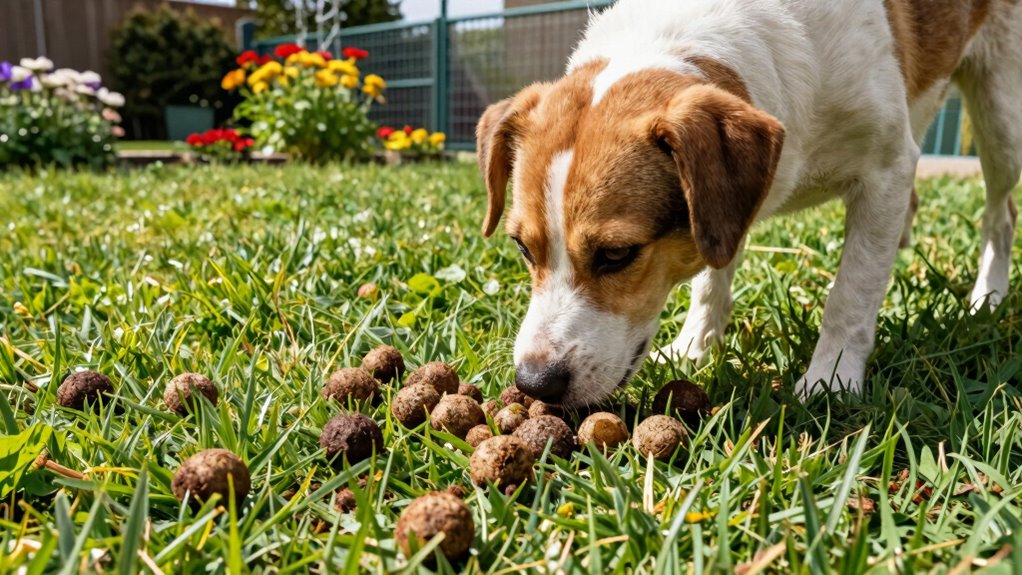
To effectively prevent and reduce coprophagia, you need to address the underlying causes and modify your pet’s environment and behavior. Focus on managing dog behavior with consistent training techniques that discourage the habit. Keep your yard clean by promptly removing feces to eliminate temptation. Use commands like “leave it” or “no” to interrupt the behavior early. Provide engaging toys and regular exercise to reduce boredom. Consider using taste deterrents or safe supplements that make feces less appealing. Ensure your dog’s diet is balanced, as nutritional deficiencies can contribute to coprophagia. Additionally, adopting monitoring and analysis tools like innovative European cloud server solutions can help monitor and analyze your pet’s behavior patterns remotely, providing valuable insights for better management. Incorporating behavioral modification techniques can also enhance training efforts and promote healthier habits. By combining environmental management with effective training techniques, you can considerably reduce your dog’s poop-eating tendencies. Remember, patience and consistency are key to long-term success.
Training Tips to Discourage Poop Eating

Training your dog to stop eating poop involves consistent, targeted commands and proactive management. Use firm, positive reinforcement during dog training to teach commands like “leave it” or “no.” When your dog approaches feces, immediately redirect their attention with a toy or treat, rewarding them for ignoring the poop. Consistency is key—every time they try to eat feces, reinforce the desired behavior. Consider using behavior modification techniques, such as supervised walks and quick cleanup of feces, to prevent opportunities. Avoid punishment, which can increase anxiety or confusion. Over time, these training tips help your dog associate self-control with rewards, decreasing coprophagia. Incorporating modern training techniques can also enhance your results and ensure your dog learns more effectively. Additionally, understanding electric bike performance can help you select appropriate tools or distractions during training. Developing a consistent routine can reinforce good habits and reduce the likelihood of poop eating. Patience and persistence are essential; with steady effort, you can effectively modify this behavior.
When Should You See a Vet About Your Dog’s Coprophagia?
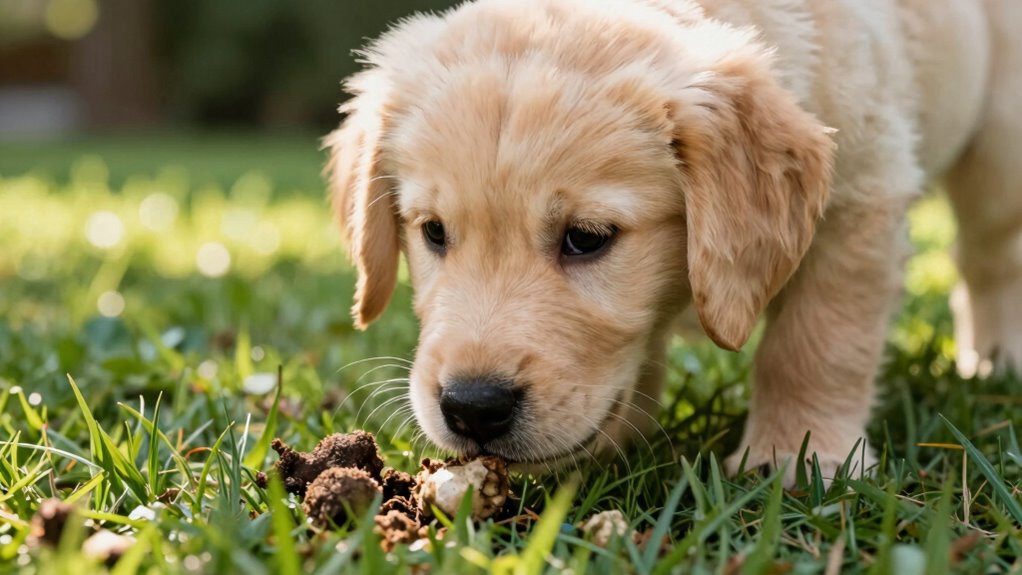
While some instances of coprophagia are harmless, you should see a vet if your dog’s poop-eating behavior suddenly starts or worsens, as it could signal an underlying health issue. A veterinary consultation can help determine if medical problems like malabsorption, parasites, or nutritional deficiencies are contributing to the behavior. Consider seeking professional help if:
- Your dog shows signs of illness or weight loss
- Coprophagia is accompanied by vomiting or diarrhea
- The behavior persists despite training efforts
- You notice a change in your dog’s overall dog behavior
- You’re unsure about the cause or need reassurance
- Underlying health conditions may influence your dog’s tendency toward coprophagia and should be evaluated by a veterinarian. Additionally, persistent coprophagia can sometimes indicate nutritional deficiencies that need to be addressed through dietary adjustments. Recognizing behavioral triggers can also help manage and reduce the habit. Prompt veterinary attention guarantees your dog’s health and helps address any underlying conditions. Ignoring serious symptoms could lead to further health complications down the line.
Tips to Improve Your Dog’s Digestive and Behavioral Health
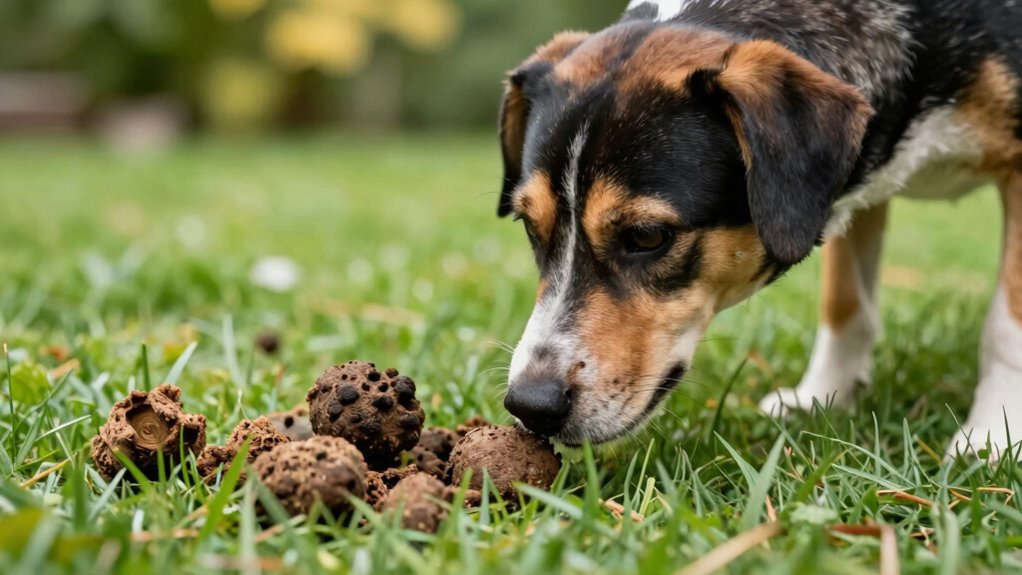
To help your dog stay healthy and prevent coprophagia, focus on providing a balanced diet and consistent exercise. Regular veterinary checkups can catch issues early and support overall well-being. Routine veterinary check-ups can help identify underlying health concerns that may contribute to undesirable behaviors. By addressing these areas, you can improve your dog’s digestion and reduce unwanted behaviors. Incorporating nutrient-rich ingredients like fruits or vegetables can also enhance your dog’s diet and promote better health.
Balanced Diet Essentials
A balanced diet is essential for maintaining your dog’s digestive health and preventing behaviors like coprophagia. Proper nutrition helps avoid nutritional deficiencies that can trigger this habit. To support ideal health and behavioral enrichment, focus on providing high-quality, well-rounded meals. Consider these key tips:
- Ensure your dog’s diet includes adequate protein, vitamins, and minerals
- Incorporate fiber-rich foods to promote healthy digestion
- Avoid excessive treats or table scraps that may upset nutrient balance
- Consult your vet for tailored dietary recommendations
- Use specialized dog foods if nutritional deficiencies are suspected
Regular Exercise Routine
Regular exercise is a vital part of supporting your dog’s digestive health and reducing behaviors like coprophagia. It helps burn excess energy and alleviates boredom, which can lead to undesirable habits. Incorporate regular visits to the dog park to encourage socialization and natural activity, but monitor your dog’s dog park habits to prevent negative interactions or fixation on certain behaviors. Effective leash training ensures your dog stays close and focused during walks, giving you control over their environment and preventing them from sneaking off to eat poop. Consistent exercise routines also improve overall well-being, making your dog less likely to seek out coprophagia as a response to stress or anxiety. A well-exercised dog is healthier, happier, and less prone to harmful behaviors.
Veterinary Health Checks
Scheduling routine veterinary health checks is essential for identifying underlying issues that may contribute to coprophagia and other behavioral problems. Regular veterinary visits help assess your dog’s overall health and catch potential digestive issues early. During these visits, your vet can perform fecal tests, check for parasites, and evaluate nutritional status. Addressing any medical concerns promptly can reduce the likelihood of your dog eating poop. To support ideal dog health, consider these tips:
- Keep up with vaccinations and parasite prevention
- Discuss dietary adjustments if needed
- Monitor for signs of gastrointestinal discomfort
- Follow vet recommendations for supplements or treatments
- Maintain a consistent health check schedule
These veterinary health checks are key to improving your dog’s digestive well-being and behavioral stability.
FAQs: Common Questions About Coprophagia in Dogs
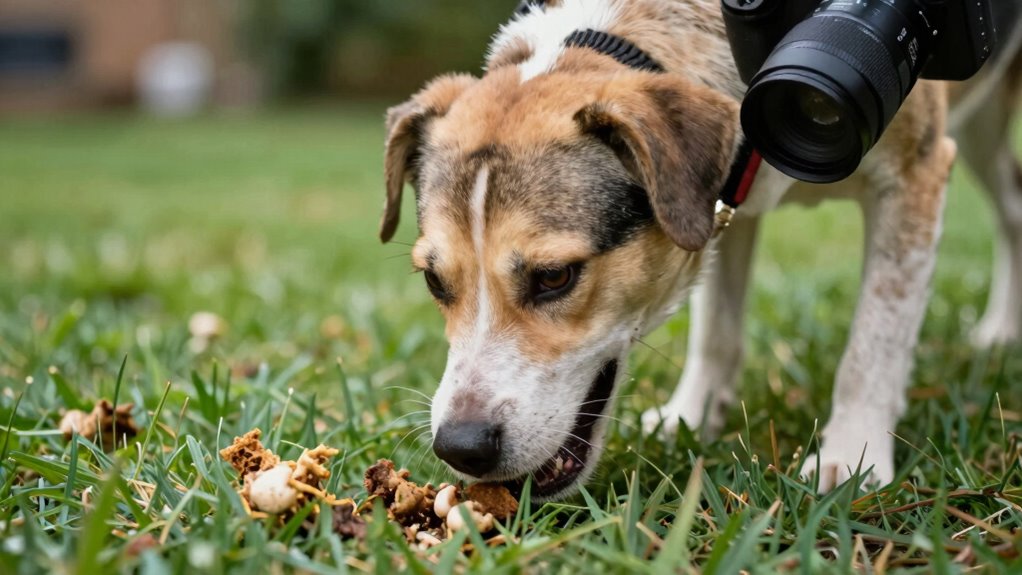
Many dog owners wonder why their pet eats poop and whether it’s normal. It’s a common question, and understanding the answer starts with recognizing that coprophagia can be linked to dog behavior or dietary habits. While it’s often considered abnormal, some dogs do this out of curiosity, boredom, or stress. Others may do it due to nutritional deficiencies or digestive issues. You might ask if it’s harmful—generally, it can be, especially if the poop contains parasites or bacteria. It’s important to observe your dog’s habits and consult your vet for guidance. Addressing underlying causes, improving diet, and training can help reduce this behavior. Remember, though, occasional poop eating isn’t always a sign of a serious problem.
Frequently Asked Questions
Can Coprophagia Be a Sign of Underlying Medical Conditions?
Yes, coprophagia can indicate underlying medical conditions. You should consider medical assessments to rule out health issues like nutrient deficiencies, parasites, or gastrointestinal problems. Sometimes, behavioral triggers such as boredom or stress also play a role. If your pet starts eating poop suddenly, consult a veterinarian promptly to identify any medical causes and develop a suitable treatment plan. Addressing both health and behavior guarantees your pet stays healthy and happy.
Are Certain Dog Breeds More Prone to Eating Poop?
Think of some breeds as explorers, naturally curious and prone to unusual habits. Certain dog breeds, like Beagles and Bulldogs, have breed tendencies and genetic predispositions that make them more likely to eat poop. These traits stem from their hunting or scavenging instincts. Understanding this, you can manage their environment and behavior better, offering alternatives and training to curb this habit. Recognizing breed tendencies helps you address coprophagia effectively.
How Does Age Influence a Dog’s Likelihood to Eat Poop?
As a dog ages, their likelihood to eat poop varies. Puppies are more prone due to curiosity and exploratory behavior, especially when teething. Seniors might develop this habit from boredom or health issues. You can help reduce this behavior by providing plenty of mental stimulation and regular vet checkups. Understanding age-related tendencies allows you to address the root causes, making it easier to manage and correct poop-eating habits at any life stage.
Is Coprophagia Contagious or Harmful to Other Pets?
Coprophagia isn’t contagious like a virus, but it can spread through environmental risks and poor hygiene practices. When one pet eats poop, it may encourage others to do the same, especially in shared spaces. To prevent this, clean up waste promptly and maintain good hygiene practices. This reduces the likelihood of copying behavior and minimizes environmental risks, keeping all your pets healthier and less inclined to engage in this habit.
Can Diet Changes Alone Completely Resolve Coprophagia Issues?
Diet changes alone might not completely solve coprophagia issues, but they can substantially help if nutritional deficiencies are involved. Make sure your pet gets a balanced diet with essential nutrients. Additionally, environmental enrichment keeps your pet mentally stimulated and reduces boredom, which can contribute to this behavior. Combining a proper diet with activities like puzzle toys and regular exercise offers a more effective, holistic approach to managing coprophagia.
Conclusion
Remember, patience and understanding go a long way. Addressing coprophagia takes time and consistent effort, but with the right strategies, you can help your dog break the habit. Keep an eye on their health and behavior, and don’t hesitate to seek professional advice if needed. After all, “You catch more flies with honey than vinegar”—approach the situation with kindness and persistence for the best results.