
TL;DR

Get pet supplies delivered free with Prime
- Fast, free delivery on millions of items
- Prime Video, Amazon Music and more included
- Member-only deals all year
Argyle, a three-year-old cat, recovered after his tail was injured in a door accident and veterinarians amputated its damaged tip. The ASPCA says its Queens community clinic treated him after his owner, Saria A., found emergency veterinary care unaffordable.
Argyle, a three-year-old cat, recovered after a door accident injured his tail and veterinarians at an ASPCA community clinic in Queens amputated its damaged tip, the organization reported. His owner, Saria A., sought care after an emergency hospital’s treatment cost was beyond her reach, according to the ASPCA’s account.
Saria said she accidentally shut Argyle’s tail in a bedroom door while hurrying to get ready for work early one morning in April. The hallway was dark, she recalled, and she did not see him slip through the doorway. She took him to an emergency veterinary hospital, but said she could not afford the proposed treatment.
After remembering an ASPCA community clinic in the Bronx, where she had accompanied a friend, Saria contacted the organization. Staff referred her to the ASPCA Community Veterinary Clinic by The Rachael Ray Foundation in Queens, where the clinic arranged an appointment immediately, the ASPCA said.
Veterinarians examined Argyle, bandaged his tail and sent him home with pain medication and antibiotics. When it became clear days later that the damaged end would need to be removed, Dr. Wesleigh Porter performed a partial amputation with guidance from Dr. Eloise Cucui. Saria took Argyle home later that day. At a follow-up about a week after surgery, clinic veterinarians said his tail was healing well, according to the report.
Affordable Care Led to Argyle’s Recovery
The account shows how access to veterinary care shaped the outcome after an accident. Saria said the emergency hospital’s treatment cost was out of reach; the ASPCA clinic provided an appointment and treated Argyle, including surgery and follow-up care. The organization does not give the cost of treatment or say what other options were available, but Saria credited the clinic’s support with making a difference for her and her cat.
For readers, the case is a reminder that an injury can require assessment and follow-up even when the initial damage may appear limited. Argyle’s specific treatment and recovery are reported by the ASPCA; they should not be taken as veterinary guidance for other animals. Owners facing a similar injury should contact a veterinarian for advice about their own pet.
Products Worth Considering
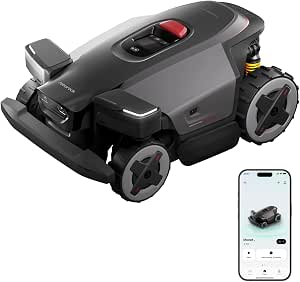
Roborock RockMow X130H Wire-Free 4WD Robot Lawn Mower

Roborock RockNeo Q110H Wire-Free Robot Lawn Mower

Shark ZU102 Rotator Pet Upright Vacuum with PowerFins HairPro & Odor Neutralizer Technology, Charcoal
As an affiliate, we earn on qualifying purchases.
From Adoption to Follow-Up
Saria adopted Argyle from the ASPCA Adoption Center in Manhattan nearly two years before the accident, according to the organization. Argyle was three at the time of the report. Saria said she wanted a companion and chose him after the shy cat sat on her lap when she offered him treats.
The ASPCA account describes the pair as closely bonded. Saria said they enjoy spending time together and sunbathing on her backyard patio. That relationship helps explain why the injury was distressing for her, but the reported medical timeline is brief: initial examination and bandaging, a later decision to remove the damaged tip, surgery, then a follow-up about a week afterward.
““His tail got slammed in the door. I felt terrible, but the hallway was darkened, and I didn’t see him.””
— Saria A., Argyle’s owner
Treatment Costs and Timing Not Given
The ASPCA report does not state the year or exact date of the April accident, the emergency hospital’s proposed cost, or what Saria paid at the Queens clinic. It also does not provide clinical details about the injury or explain how veterinarians determined that partial amputation was needed. The organization reports that the follow-up showed Argyle’s tail healing well, but does not give a longer-term medical update.
The account is based on the ASPCA’s report and Saria’s recollections. It does not include comments from the emergency hospital or independent veterinary records. No complications are reported, but the absence of such details in the story does not establish whether any occurred later.
No Further Care Plans Reported
The latest milestone in the account is Argyle’s follow-up appointment about a week after surgery, when clinic veterinarians said his tail was healing well. The ASPCA report does not describe any additional treatment, later checkups or plans for further care. It also does not give a publication date, so readers cannot determine from the account how long ago the follow-up took place.
Key Questions
What happened to Argyle?
His tail was caught in a bedroom door. Veterinarians later removed the damaged tip in a partial amputation, according to the ASPCA.
Where was Argyle treated?
He was treated at the ASPCA Community Veterinary Clinic by The Rachael Ray Foundation in Queens, after staff referred Saria there from an earlier contact with an ASPCA clinic in the Bronx.
How was Argyle doing after surgery?
At a follow-up appointment about a week after the operation, clinic veterinarians said his tail was healing well, the ASPCA reported.
When did the accident happen?
The ASPCA says it happened one early morning in April but does not provide the year or exact date.
What did the treatment cost?
The report does not say how much care at the Queens clinic cost. It says the cost of treatment at the emergency veterinary hospital was beyond Saria’s reach.
Source: aspca.org