
TL;DR
Orange County’s animal shelter, OC Animal Care, continues to be overwhelmed with cats even as temperatures drop. The situation highlights ongoing challenges in managing shelter capacity during seasonal changes.
Orange County’s animal shelter, OC Animal Care, remains significantly filled with cats even as the region begins to experience cooler temperatures, according to shelter officials. The persistent overcrowding raises concerns about animal welfare and shelter capacity during seasonal transitions, with officials emphasizing the need for community support. These Pets At Orange County Animal Care Need Homes
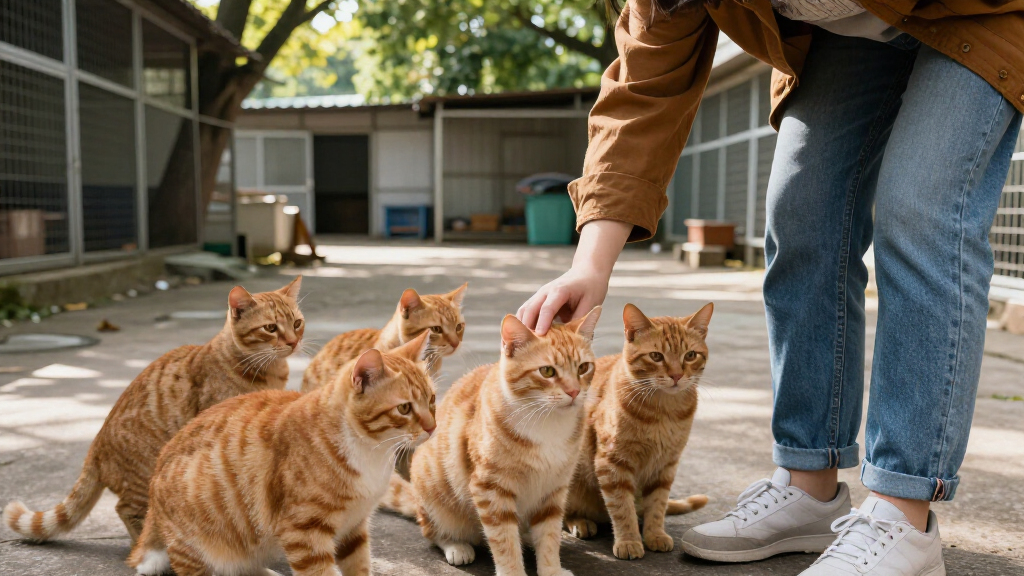
Despite the arrival of cooler weather in late October 2023, OC Animal Care continues to report high numbers of feline residents. These Feline Friends At Orange County Animal Care Need Homes The shelter’s capacity is nearing its limit, with officials stating that more than 80% of available cat kennels are occupied. This ongoing overcrowding persists even as some community members expect a natural decrease in stray and surrendered animals with the changing season.
Shelter staff have expressed concern over the sustained demand for cat adoptions and surrendering, which remains high despite efforts to promote pet adoption and responsible ownership. The shelter reports that intake numbers for cats have remained steady over the past month, with no significant decline linked to the cooling weather. Officials attribute this to ongoing factors such as community surrender rates and the challenges of managing feral and stray populations.
Local animal advocates and shelter officials are calling for increased community engagement, including fostering and adoption initiatives, to help alleviate the shelter’s burden. Adoption Fees Reduced For Hundreds Of Pets At Orange County Animal Care They emphasize that the shelter’s capacity issues are not solely seasonal but are part of a broader challenge in managing pet populations in Orange County.
Implications of Persistent Cat Overcrowding in OC Shelters
The continued overcrowding at OC Animal Care highlights ongoing challenges in animal shelter management amid seasonal changes. Overcapacity can compromise animal welfare, increase stress on staff, and limit the shelter’s ability to take in new animals. This situation underscores the importance of community involvement in pet adoption and fostering efforts to reduce shelter populations and improve animal welfare outcomes in Orange County.As an affiliate, we earn on qualifying purchases.
Seasonal Trends and Ongoing Shelter Capacity Challenges
Animal shelters typically see fluctuations in intake and adoptions with seasonal changes, often experiencing lower intake during colder months. However, in Orange County, the trend of high surrender rates and steady intake numbers for cats has persisted into late 2023. Previous years have shown that despite cooler weather, community surrender and stray populations remain high, complicating shelter capacity management. The current situation indicates that seasonal cooling alone may not significantly reduce shelter populations, and broader community efforts are needed to address the root causes of overpopulation.Unclear Factors Behind Persistent Cat Intake
It is not yet clear why cat intake remains high despite cooler weather, whether due to ongoing surrender trends, feral populations, or other factors. Data on community surrender motivations and feral cat dynamics are still being analyzed, and no definitive explanation has been provided.Next Steps for Managing Shelter Overcrowding
Shelter officials plan to increase outreach efforts, including fostering programs and community education campaigns, to encourage adoption and surrender alternatives. Monitoring intake trends over the coming months will help determine if seasonal cooling eventually impacts shelter populations or if additional interventions are needed. Community engagement remains a key priority to address ongoing capacity issues.Key Questions
Why are there still so many cats in OC Animal Care despite cooler weather?
The exact reasons are unclear, but ongoing high surrender rates, feral populations, and community surrender motivations contribute to persistent overcrowding, regardless of seasonal temperature changes.
Is the shelter capacity at risk of being overwhelmed?
Yes, officials report that capacity is nearing its limit, which can impact animal welfare and limit intake of new animals.
What can community members do to help?
Community members can support by fostering animals, adopting pets, volunteering, or participating in outreach programs to reduce shelter populations.
Will the situation improve as temperatures continue to drop?
It is uncertain; current data suggests intake remains high, and further monitoring is needed to see if cooler weather eventually reduces surrender and stray numbers.
Are other animals affected similarly?
While this report focuses on cats, shelter officials indicate that overall animal intake remains high, with different trends observed for other species.
Source: rss