TL;DR
Automatic pet feeders offer reliable, scheduled feeding for busy pet owners. Their effectiveness hinges on choosing the right type, verifying portion accuracy, and ensuring reliability—especially during power outages or pet theft attempts.
Imagine waking up to find your pet happily munching, exactly when you scheduled—no rushing, no stress. Automatic pet feeders promise that scene, freeing you from the daily chore of timed meals. But how do you choose the right one amidst a flood of options? And what’s real, what’s hype, and what could go wrong? In this guide, you’ll learn how these devices work, what features matter most, and how to pick a model that genuinely makes your life easier.
Whether you’re managing a busy schedule, caring for a pet with special needs, or just want to prevent overeating, understanding the ins and outs of automatic feeders can save you money, worry, and a few trips to the vet. Ready to find your pet’s new best friend? Let’s get into the details.
Always verify portion sizes with a scale to prevent over- or underfeeding.
Choose a feeder type that matches your pet’s diet and behavior—dry, wet, or prescription food.
Prioritize reliability features like battery backup, pet-resistant design, and alerts for jams or low food.
Regular cleaning of food-contact parts is essential for pet health and device longevity.
Smart features are helpful but should not replace mechanical reliability and simple hygiene practices.
What Types of Automatic Feeders Actually Fit Your Pet’s Life
The first step is knowing what kind of feeder matches your pet’s habits and your home setup. From simple gravity designs to high-tech smart models, each serves a different purpose.
Gravity feeders are the basic, inexpensive option—think of a continuous flow of food, like a sand timer. They’re good for pets with stable routines but can lead to overeating if your pet is a voracious eater or a chow-hound. Programmable dry-food feeders are the most popular—they release measured portions at scheduled times, making them perfect for pets that need consistent meal times without constant supervision.
For pets that love wet food or need temperature control, wet-food feeders with refrigerated compartments are available—but they’re more complex and demand regular cleaning. If you have multiple pets or pets with dietary restrictions, microchip or RFID feeders open only for authorized animals, preventing food theft or mix-ups.
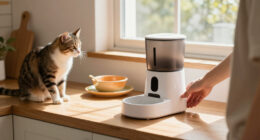
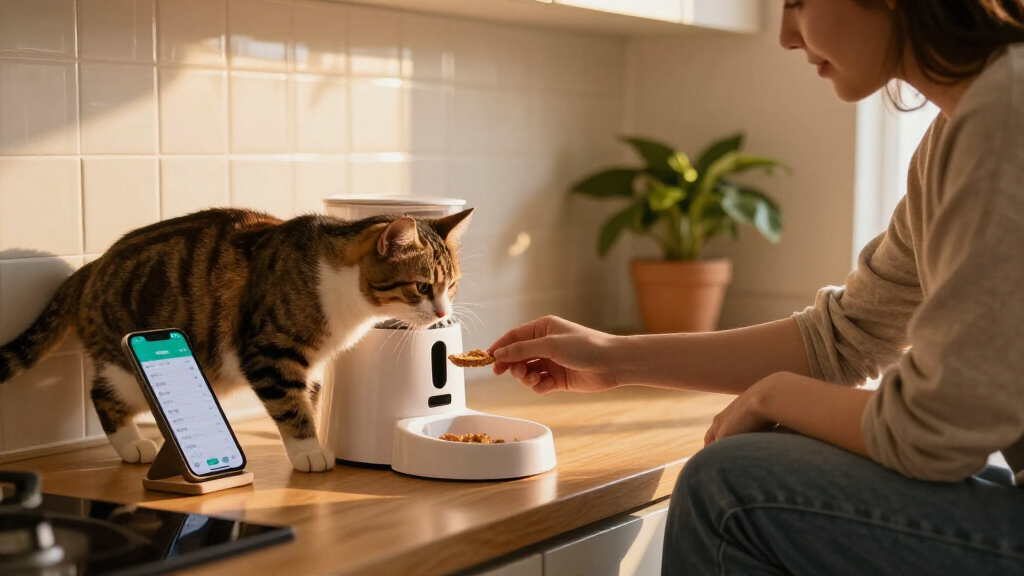
Then there are smart feeders—connect to your phone via an app, send you notifications, and sometimes include cameras or two-way audio. Lastly, puzzle and slow feeders add enrichment by making pets work for their food, slowing down fast eaters while providing mental stimulation.
Choosing the right type involves understanding your pet’s eating behavior, your household dynamics, and how much control or monitoring you desire. For example, a fast eater might benefit from a slow feeder that encourages mindful eating, while a pet with dietary restrictions might need a microchip-enabled device to prevent food theft. Each type has tradeoffs—more features often mean higher cost and complexity, but also greater control and safety.
automatic dry pet food feeder with portion control
As an affiliate, we earn on qualifying purchases.
As an affiliate, we earn on qualifying purchases.
Why Portion Accuracy Matters More Than You Think
Portion accuracy isn’t just about scooping kibble; it’s a cornerstone of your pet’s health that can’t be overlooked. When a feeder claims to dispense a specific amount, it might seem precise, but many models have inherent limitations or variability caused by design flaws, food consistency, or mechanical wear. Small discrepancies might seem insignificant in the short term, but over days, weeks, or months, they can lead to serious health issues—either weight gain or loss—that affect your pet’s quality of life.
Understanding why this matters requires recognizing the long-term implications. Overfeeding, even slightly, can contribute to obesity, which increases risks for joint problems, diabetes, and decreased lifespan. Conversely, underfeeding can cause malnutrition, lethargy, and immune suppression. For pets with health conditions like diabetes or obesity, precise portioning is critical; even minor errors can destabilize their condition.
Verifying each feeder’s portioning with a kitchen scale allows you to detect inconsistencies that could have significant health impacts. Testing multiple portions helps you understand the device’s accuracy over time, and adjusting the settings ensures your pet receives appropriate calories and nutrients. Remember, scheduled feeding is only effective if the portions are correct—otherwise, it’s like giving a blindfolded chef a recipe. Accurate portioning empowers you to manage your pet’s weight proactively and prevent health complications down the line.
Food Types and Compatibility: What Works and What Won’t
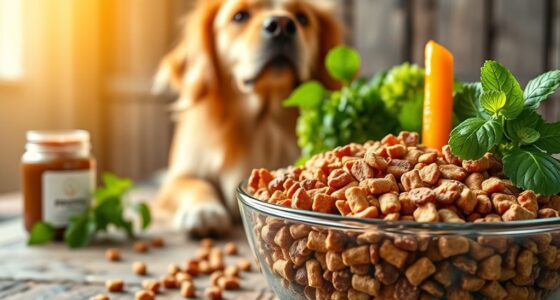
Most automatic feeders excel with dry kibble—uniform size, shape, and texture make dispensing smooth. Think of it like filling a machine with LEGO bricks; irregular or large chunks jam the mechanism, leading to feeding interruptions. The compatibility of your pet’s food with the feeder’s design isn’t just about convenience but also about safety and accuracy. Using incompatible food types can cause jamming, inconsistent portions, and bacterial growth if moisture gets in or if the food sits exposed for too long.
Wet or fresh food feeders require specialized compartments and temperature regulation to prevent spoilage. If not managed properly, moisture can promote mold and bacterial growth, posing health risks. These models often need more frequent cleaning and maintenance, which can be a tradeoff for the convenience of fresh food access.
Before purchasing, measure your pet’s typical kibble size and shape, then verify that the feeder supports those dimensions. Using incompatible food not only hampers the device’s performance but also risks your pet’s safety. Proper compatibility ensures smooth operation, accurate portions, and a hygienic feeding environment, all of which contribute to your pet’s health and your peace of mind. Additionally, selecting a feeder that supports your specific food type prevents unnecessary stress and potential malfunctions, making feeding a seamless part of your routine rather than a source of frustration and health risk.
Reliability and Backup Power—Why They Matter
A reliable automatic feeder must do more than just operate smoothly; it needs to account for unexpected disruptions like power outages. Power failures can happen suddenly during storms, technical glitches, or outages, and during these times, your pet still needs to be fed on schedule. Without a backup power source, your pet could be left hungry or overfed if the device stops working or if the food supply is disrupted. Battery backup features are essential because they ensure that scheduled feedings continue seamlessly, preserving your pet’s routine and health even during power interruptions. This is especially important when you’re away or have a busy schedule, as missed or delayed meals can cause stress, health issues, and behavioral problems.
Reliability features such as secure, pet-resistant lids, jam alerts, and low-food notifications serve as additional safeguards. Jam alerts, for example, notify you immediately if the food tube is blocked—often caused by oily kibble or irregular shapes—so you can troubleshoot before your pet misses a meal. Testing your device during your off-hours helps confirm that it dispenses correctly and that backup batteries activate as intended. This proactive approach minimizes the risk of emergency situations, ensuring your pet’s routine remains intact even in unforeseen circumstances and reducing the likelihood of costly vet visits or distress caused by missed meals.
Cleaning and Hygiene: Keep It Safe and Fresh
Food contact parts should be easy to remove and wash—think stainless steel bowls and dishwasher-safe components. Oils, crumbs, and moisture can quickly turn rancid or attract pests if neglected, compromising your pet’s health. Regular cleaning prevents bacterial buildup, mold, and unpleasant odors that can develop over time, especially in humid environments. Neglecting hygiene not only risks your pet’s health but can also cause the device to malfunction or develop odors that are difficult to eliminate.
Pets prone to chin irritation or acne benefit from thoroughly cleaned bowls, as bacteria and residues can exacerbate skin issues. Plastic scratches harbor bacteria and are harder to sanitize, so choosing stainless steel or similarly nonporous materials enhances hygiene and durability. Implementing a routine cleaning schedule—such as rinsing the food contact parts after every few days—ensures freshness and prevents the growth of harmful bacteria. Additionally, using sealed, airtight hoppers minimizes exposure to air and contaminants, extending the freshness of stored food and reducing cleaning frequency. Proper hygiene practices are not just about cleanliness—they directly impact your pet’s health, reduce the risk of infections, and prolong the lifespan of your feeding device.
How to Use a Feeder to Support Your Pet’s Health and Behavior
- Set realistic portion sizes based on your pet’s weight and activity. Use a scale to weigh portions initially and adjust as needed.
- Schedule meals at consistent times to build routine. Many feeders let you set multiple daily feeds—use this to match your pet’s natural hunger cycle.
- Monitor your pet’s body condition regularly. Keep an eye out for excessive weight gain or loss, and tweak portions accordingly.
- Combine feeder use with daily walks, playtime, and veterinary checkups. The feeder is a tool, not a replacement for proper care.
- Test the device thoroughly before leaving your pet alone. Make sure it dispenses correctly, and backup batteries are working.
For example, a dog owner with a busy schedule set a feeder to give small meals four times a day. Over a week, they weighed out each portion, adjusted based on weight changes, and confirmed the system’s reliability. The result? Less stress, fewer begging episodes, and a healthier weight for their pup. Proper use of the feeder not only ensures your pet receives the right amount of food but also helps establish a predictable routine that supports their mental and physical well-being. Consistency reduces anxiety around mealtimes, encourages healthy eating habits, and prevents behavioral issues like begging or overeating, making feeding a positive experience for both you and your pet.
Smart Features and Privacy—What’s Really Worth It
Smart feeders connect to your Wi-Fi and often include cameras, notifications, and remote control. They sound tempting—seeing your pet eat, talking to them, adjusting feeding times from anywhere. However, these features come with caveats.
Smart devices can be vulnerable to hacking if not secured properly. Use strong, unique passwords and enable multi-factor authentication when possible. Also, many features—like video storage—require subscriptions, adding ongoing costs. Beyond security, consider whether these features genuinely improve your routine or introduce unnecessary complication. For instance, a camera might provide peace of mind, but if Wi-Fi drops frequently, you lose that benefit, possibly causing frustration or missed cues about your pet’s health. Mechanical reliability often outweighs fancy features, especially if you’re away for extended periods. Evaluate whether the convenience justifies the potential security risks and ongoing expenses, and prioritize devices with strong security protocols and straightforward operation. The core value lies in consistent, safe feeding, not just high-tech bells and whistles.
What to Look for When Buying the Perfect Automatic Pet Feeder
Choosing the right feeder boils down to a few key points. First, match the type to your pet’s diet—dry, wet, or prescription. Next, check the minimum and maximum portion sizes to fit your pet’s size and needs.
Ensure the device supports the kibble you feed. Look for features like battery backup, low-food alerts, pet-resistant design, and easy-to-clean components. Also, consider the capacity—big enough to hold several days’ worth of food but not so large that food sits exposed for too long.
Don’t forget to verify compatibility with your Wi-Fi setup and whether it offers local schedule storage in case of internet outages. A good warranty and responsive customer support are also worth prioritizing, especially for complex or high-tech models. By paying attention to these details, you ensure your investment is both reliable and safe, providing peace of mind that your pet’s feeding routine remains consistent regardless of external issues or technical glitches.
Your Most Common Questions About Automatic Pet Feeders Answered
Are automatic pet feeders safe? When chosen carefully, maintained regularly, and used correctly, they are safe. Watch for jams, incorrect portions, and stale food, and keep backups for power outages.
Conclusion
Automatic pet feeders can transform the way you care for your pet—if you choose wisely. Focus on reliability, compatibility, and ease of cleaning. They’re tools to support routine, not replace your watchful eye or vet visits.
Think of the right feeder as a trusted helper—quiet, dependable, and always ready when your pet needs them most. After all, a well-fed pet is a happy pet, and a happy pet makes life better for everyone.