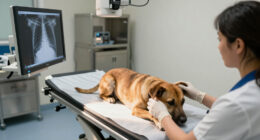
To keep your pet’s paws healthy year-round, regularly inspect and clean them after walks, paying attention to seasonal hazards. In winter, wipe off salt and ice, and apply paw balm for protection. During summer, avoid hot pavement and use booties if needed. In spring and fall, check for debris, mud, or irritants, and clean thoroughly. Adapting your routine to each season helps prevent injuries, and you’ll discover more tips to safeguard your pet’s comfort all year long.

Get pet supplies delivered free — and shop member deals
- Fast, free delivery on millions of items
- Access to Prime Big Deal Days deals on October 6–7
- Prime Video, Amazon Music and more included
Key Takeaways
- Adjust paw care routines seasonally to address specific hazards like salt in winter or hot pavement in summer.
- Regularly inspect and clean paws after outdoor activities to prevent injuries and remove irritants.
- Use protective barriers such as paw balm, petroleum jelly, or booties to shield paws from environmental dangers.
- Trim fur around paws to prevent ice ball formation in winter and debris collection in spring and fall.
- Monitor paw pads for cracks, burns, or lodged debris, and consult a vet for persistent issues or injuries.

Caring for your pet’s paws isn’t just a seasonal task—it’s an ongoing responsibility that guarantees their comfort and health year-round. Paws are essential for mobility, and neglecting them can lead to discomfort, injuries, or infections. To keep your furry friend happy and healthy, you need to pay attention to seasonal paw protection and understand temperature specific paw tips. Different seasons pose unique challenges, so adjusting your paw care routine accordingly is necessary.
During colder months, snow, ice, and salt can cause significant damage to your pet’s paws. Salt and chemical de-icers are harsh and can lead to irritation or even burns. To prevent this, wipe your pet’s paws thoroughly after walks, using warm water and a gentle cleanser if needed. Applying a paw balm or petroleum jelly before heading outside creates a protective barrier against chemicals and cold surfaces. You should also consider trimming the fur around their paws to prevent snow buildup, which can cause discomfort or ice balls forming between toes. Remember, winter paw protection isn’t just about shielding them from the cold; it’s about keeping their paws dry and free from any harmful substances they might pick up outdoors. Regular inspections for seasonal hazards can help identify potential issues early and keep their paws safe throughout the year. Additionally, ensuring your pet’s environment is free from sharp objects or abrasive surfaces can further prevent injuries. Understanding paw anatomy can help you better identify early signs of injury or irritation and address them promptly. Being aware of seasonal irritants like ice-melting chemicals can significantly reduce the risk of adverse reactions.
In the warmer months, heat becomes a major concern. Pavements, sidewalks, and asphalt can reach temperatures that are painful or even dangerous for your pet’s paws. Temperature specific paw tips in summer involve checking the ground temperature with the back of your hand or an infrared thermometer before walks. If the surface feels too hot for your skin, it’s too hot for your pet’s paws. Walk during cooler parts of the day, like early mornings or evenings, and avoid hot pavement altogether. Consider using protective booties to shield their paws from excessive heat and rough terrains. Additionally, always inspect their paws after walks for signs of burns, cuts, or foreign objects lodged between toes. Regularly moisturizing paw pads with a vet-approved balm keeps them resilient against cracking or dryness caused by sun exposure. Being mindful of environmental hazards, such as hot surfaces and sharp debris, can help prevent injuries and discomfort. Properly managing hydration and avoiding prolonged exposure to the sun further supports paw health during the summer months.
Spring and fall require a balanced approach. Spring can bring mud, allergens, and irritants, requiring regular cleaning and inspection of paws. Fall’s fallen leaves, acorns, and debris can also cause cuts or infections. No matter the season, staying vigilant about seasonal paw protection and temperature specific paw tips helps you catch issues early. Your pet’s paws are tough, but they need your care to stay healthy. Consistently checking, cleaning, and protecting their paws ensures they remain comfortable, whether they’re hiking through snow, trotting on summer streets, or exploring fall forests. Proper paw care is a small but essential part of your pet’s overall well-being—one that pays off in happy, healthy adventures together.
Frequently Asked Questions
How Often Should I Trim My Dog’s Nails During Winter?
You should trim your dog’s nails every 3-4 weeks during winter for proper seasonal paw care. Regular dog nail trimming helps prevent discomfort and injuries, especially when icy or snowy conditions cause your pet to slip. Keep an eye on their nails, and if they click on the floor or grow long, give them a trim. Consistent grooming guarantees your dog stays comfortable and safe throughout the season.
Are There Specific Paw Balms for Summer Heat Protection?
Yes, there are specific summer paw protection balms designed to shield your dog’s paws from scorching heat. Heat resistant paw balms create a protective barrier, preventing burns and cracking on hot pavement or sand. Imagine your dog confidently walking on sunbaked surfaces, their paws safe and protected. Applying these balms regularly guarantees your furry friend stays comfortable and secure during those blazing summer days, giving you peace of mind.
Can Snow and Ice Cause Paw Pad Injuries?
Yes, snow and ice can cause paw pad injuries. Salt used for de-icing can lead to salt damage, irritating and drying out your pet’s paws. Ice abrasion can also occur, causing cuts or soreness from sharp ice edges. To protect their paws, regularly check for signs of irritation, rinse off salt and debris after walks, and consider applying paw balm to create a barrier against harsh winter elements.
How Do I Clean My Pet’s Paws After Outdoor Walks?
After outdoor walks, you should perform dog paw cleaning to keep your pet’s paws healthy. Gently wipe their paws with a damp cloth or use pet-safe wipes to remove dirt, mud, and potential chemicals. This outdoor paw hygiene routine prevents irritation and infections. Make sure to pay attention to between the toes and pads, and dry their paws thoroughly to avoid moisture buildup, especially in colder months.
What Signs Indicate Paw Infections or Allergies?
Your pet’s paws are like tiny battlegrounds, so watch for signs of trouble. Redness, swelling, or foul odor may signal paw pad infections, while constant licking, redness, or rash suggest allergic dermatitis. If paws appear inflamed, have crusty patches, or your pet scratches or bites excessively, these are warning signs. Catching these signs early helps prevent discomfort and promotes healthier paws for all seasons.
Conclusion
As the seasons change, your dog’s paws face a world of contrasts—from scorching summer pavements to icy winter streets. While summer’s heat can burn tender pads, winter’s cold can cause cracks and dryness. Yet, with consistent care, you can protect those paws from the harshest elements. Remember, your dog’s paws are like a mirror—reflecting the care you give them. So, stay vigilant, and let each season be a demonstration of your commitment.
Fall Picks
fall essentials
As an affiliate, we earn on qualifying purchases.