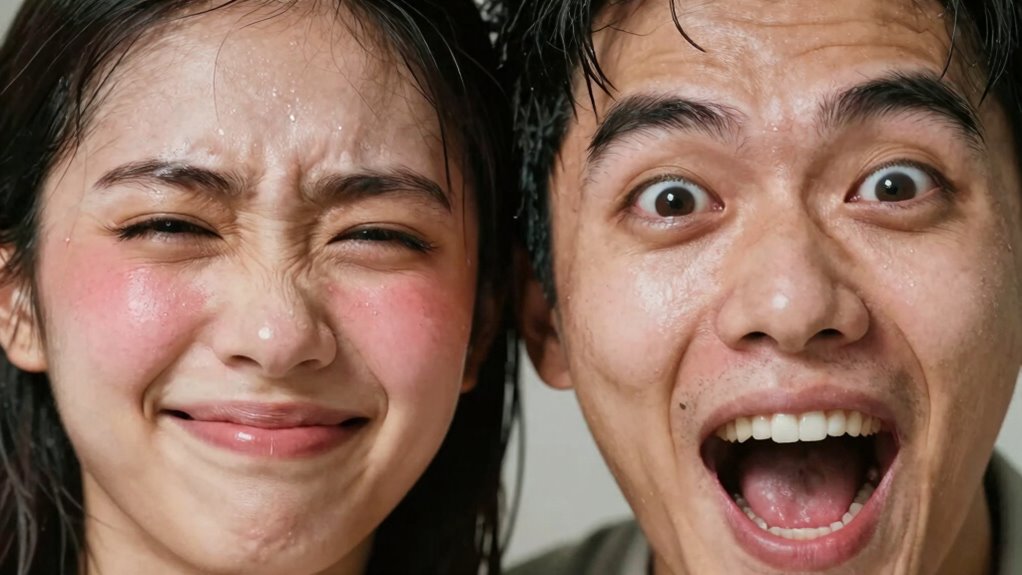

Understanding the difference between arousal and excitement helps you better regulate your body and mind before training. Arousal involves physical signs like increased heart rate, which can happen without feeling excited, while excitement is an emotional feeling that may not always show physical signs. Recognizing these states helps you manage tension or motivation appropriately, ensuring you’re mentally and physically prepared. Keep exploring to discover how mastering this balance can boost your performance and focus.
Key Takeaways
- Physiological arousal can occur without feelings of excitement, while excitement may exist without bodily signs.
- Recognizing the difference helps manage stress and enhance motivation before training.
- Properly aligning physical readiness and emotional enthusiasm boosts overall performance.
- Managing physiological responses reduces tension and prepares the body for optimal effort.
- Understanding arousal versus excitement aids in better self-regulation and mental preparation for challenges.

Understanding this distinction is vital because physiological responses can occur without emotional involvement, and vice versa. For example, you might experience a surge of physiological arousal during a stressful situation—your heart pounding, palms sweating—but not feel excited. Conversely, you could feel excited about starting a new fitness routine but not yet have significant physiological responses if your body hasn’t fully responded to the emotional trigger. Recognizing these differences allows you to better regulate your mental and physical state. If you’re aware that your physiological responses are heightened due to stress rather than genuine excitement, you can employ calming techniques to bring your body back to a balanced state. Additionally, understanding emotional triggers can help you develop strategies to boost motivation and maintain focus during your training. Recognizing the bodily responses involved in arousal can help you distinguish between stress and enthusiasm, enabling more effective mental regulation. It’s also helpful to be aware of how these responses influence your overall performance in training or competition.
Similarly, if you’re feeling excited but your body isn’t showing signs of arousal, you might need to push yourself physically to match that mental enthusiasm. Physical readiness plays a crucial role in aligning your body and mind for optimal performance. Understanding physiological and emotional responses can help you better interpret and manage your body’s signals. In training, understanding these states helps you optimize performance. When you’re aroused but not excited, you might be too tense or anxious, which can hinder your movement or focus. When you’re excited and properly aroused, your body and mind are aligned, creating a perfect environment for peak performance. So, before you hit the gym or compete, take a moment to identify whether your feelings stem from physiological responses or emotional triggers. This awareness empowers you to manage your energy levels better, reducing anxiety or unnecessary tension and amplifying motivation and enthusiasm. Knowing the difference between arousal and excitement isn’t just academic; it’s a practical tool to enhance your training, ensuring you’re mentally and physically prepared for whatever challenge lies ahead.
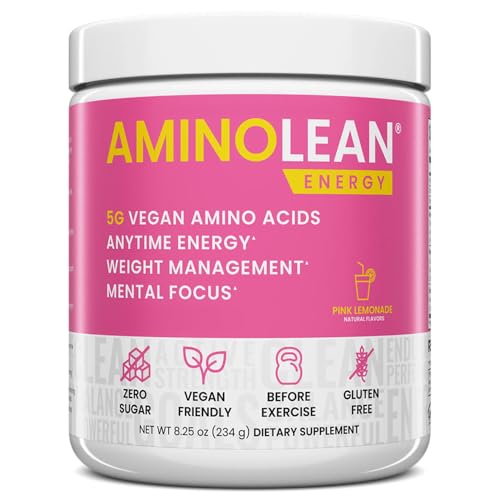
RSP NUTRITION AminoLean Pre Workout Powder, Amino Energy & Weight Management with Vegan BCAA Amino Acids, Natural Caffeine, Preworkout Boost for Men & Women, 30 Serv, Pink Lemonade…
Pre Workout Powder for Men and Women – 125mg of natural caffeine provides a clean, sustained boost of…
As an affiliate, we earn on qualifying purchases.
As an affiliate, we earn on qualifying purchases.
Frequently Asked Questions
How Do Arousal and Excitement Affect Athletic Performance Differently?
Arousal boosts your alertness and energy, helping you perform better, but too much can hinder focus. Excitement can enhance motivation but might lead to impulsiveness if not managed. By practicing arousal regulation and excitement management, you can find the right balance, ensuring your arousal level supports peak performance without causing stress or distraction. This balance helps you stay composed and effective during competition or training.
Can Arousal Levels Be Intentionally Increased for Training Purposes?
You can intentionally increase arousal levels for training through arousal modulation techniques, but emotional control is key. By using methods like visualization, rhythmic breathing, or music, you can elevate your alertness without losing focus. This approach helps optimize performance, especially in high-pressure situations. Just remember, maintaining emotional control guarantees your arousal doesn’t turn into anxiety, allowing you to perform at your best consistently.
What Are Common Signs of Excessive Arousal During Exercise?
You might notice signs of excessive arousal during exercise, such as rapid heartbeat, sweating, muscle tension, and difficulty concentrating. These physiological responses can hinder your emotional regulation, making it hard to stay focused or calm. If you experience these symptoms, take deep breaths, slow down, and reset your mind. Managing your arousal levels helps maintain ideal performance and prevents burnout or injury.
How Do Mental States Influence Feelings of Excitement?
Your mental states greatly influence feelings of excitement, as mindfulness training helps you stay present and manage emotions effectively. When you practice emotional regulation, you’re better equipped to control impulses and reduce anxiety, which can amplify excitement positively. By focusing on your breath and thoughts, you create a balanced mental state, allowing genuine excitement to flourish without becoming overwhelming or distracting during exercise or other activities.
Are There Specific Techniques to Manage Arousal and Excitement Effectively?
Think of managing arousal and excitement like steering a ship through stormy seas. You can anchor yourself with breathing techniques, taking slow, deep breaths to calm nerves. Visualization exercises help by mentally rehearsing a successful performance, transforming nervous energy into focus. These techniques empower you to stay centered, control your mental state, and harness your excitement for peak performance, rather than letting it sweep you off course.

MUSKULO MONSTRO Reaction Catch Trainer for Improving Hand-Eye Coordination & Speed, Brain Relearn & Agility Reactive Trainer, Reaction Speed Training Tools for Athletes
【Great Design】Three-pointed ergonomic design features rounded ends and center for catching and throwing; toss in the air and…
As an affiliate, we earn on qualifying purchases.
As an affiliate, we earn on qualifying purchases.
Conclusion
Now that you’ve got the scoop, remember: understanding the difference between arousal and excitement is key to mastering your training. Don’t let confusion turn your efforts into a wild goose chase — it’s not a matter of just riding the rollercoaster, but knowing when to hold on tight. Keep this knowledge at your fingertips, and you’ll be as cool as a cucumber, even when the stakes are high. As they say, ‘The early bird catches the worm’—so train smart and stay sharp!

The Mental Toughness Playbook: 5 Science-Backed Strategies for Young Athletes to Crush Performance Anxiety and Build Unshakeable Resilience – In Sports and Beyond
As an affiliate, we earn on qualifying purchases.
As an affiliate, we earn on qualifying purchases.

JuneLsy Pencil Grips for Kids Handwriting Pencil gripper Pencil Holder Posture Correction Training Writing AIDS for preschooler Kids toddler Children Special Needs (3 PCS)
Pencil Grips: Help kids position and hold pencils correctly for writing.
As an affiliate, we earn on qualifying purchases.
As an affiliate, we earn on qualifying purchases.