

Feeding your large-breed puppy too quickly or giving too many nutrients like calcium can lead to uneven growth, stressing their joints and raising the risk of issues like hip dysplasia. Overfeeding or inconsistent routines also speed up growth, making joints weaker over time. To keep your pup healthy, you need to control their diet, monitor their development, and consult your vet regularly. If you keep these tips in mind, you’ll better understand how to protect your puppy’s joints long-term.

Get pet supplies delivered free with Prime
- Fast, free delivery on millions of items
- Prime Video, Amazon Music and more included
- Member-only deals all year
Key Takeaways
- Overfeeding and excessive calcium intake accelerate growth, increasing stress on developing joints.
- Rapid growth without proper monitoring can lead to uneven bone and muscle development, harming joint health.
- Inconsistent feeding schedules and portion control cause uneven growth, stressing joints and increasing injury risk.
- Ignoring growth milestones and neglecting veterinary assessments may result in undetected joint issues.
- Lack of joint-supporting nutrients like omega-3s and supplements can compromise joint development and longevity.
large breed puppy joint support supplements
As an affiliate, we earn on qualifying purchases.
As an affiliate, we earn on qualifying purchases.
Why Rapid Growth Can Harm Your Large-Breed Puppy’s Joints
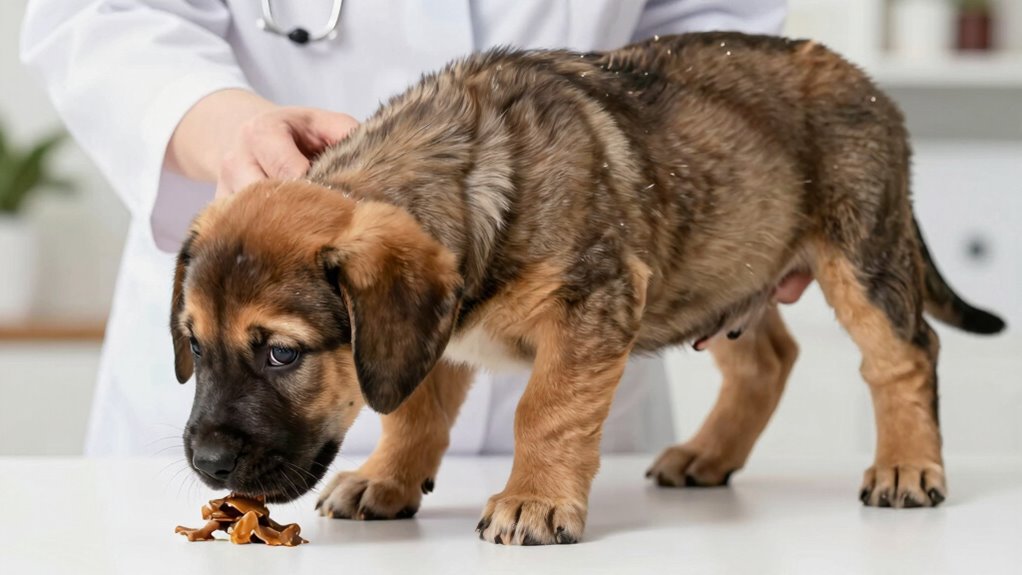
Rapid growth in large-breed puppies can put significant stress on their developing joints, increasing the risk of long-term joint problems. During this time, your puppy’s metabolism accelerates to support rapid tissue development, fueled by growth hormones. If growth happens too quickly, the joints may not develop properly, leading to issues like hip dysplasia or arthritis later in life. Overfeeding or providing excessive nutrients can spike growth hormones, causing uneven bone and muscle growth that strains joints. Maintaining a balanced diet helps regulate puppy metabolism, ensuring growth remains steady and controlled. By controlling growth rate through proper feeding, you give your puppy’s joints the best chance to develop healthily, reducing the risk of joint problems as they mature.
How to Know If Your Puppy Is Growing at a Healthy Rate

Monitoring your puppy’s growth helps guarantee it stays on a healthy track, especially after understanding how rapid development can affect their joints. To assess if your puppy is growing at a healthy rate, compare their progress to established growth milestones and breed specific standards. Keep an eye on these indicators:
Monitoring your puppy’s growth ensures healthy development and prevents joint issues.
- Steady weight gain aligned with age
- Proper height and body proportions
- Development of muscles without excess fat
- Behavior and activity levels matching age expectations
Regular vet visits are essential for professional growth assessments. Remember, each breed has unique growth patterns, so understanding breed specific standards helps you spot healthy development versus overgrowth. Additionally, growth rate can be influenced by nutrition and exercise routines, so ensuring a balanced approach supports joint health. A balanced diet rich in essential nutrients and appropriate exercise routines can significantly impact joint development, reducing the risk of future joint issues. Staying attentive to these signs ensures your puppy matures safely and minimizes joint problems caused by improper growth.
Common Feeding Mistakes That Lead to Overgrowth and Joint Problems

Feeding practices that overlook your puppy’s specific needs can easily lead to overgrowth and joint problems later on. One common mistake is giving excessive calcium, leading to calcium overload, which can weaken bones and cause joint issues. Another pitfall is ignoring portion control, resulting in rapid growth that stresses developing joints. To help you avoid these errors, here’s a quick comparison:
| Mistake | Consequence |
|---|---|
| Excessive calcium intake | Overgrowth, joint stress |
| Poor portion control | Rapid growth, joint problems |
| Inconsistent feeding schedule | Uneven growth, joint strain |
| Feeding inappropriate treats | Unbalanced nutrition, joint issues |
Additionally, neglecting growth rate management can exacerbate these problems, making it essential to monitor your puppy’s development closely.
Nutrition Tips to Support Strong Joints in Growing Puppies

To support your large-breed puppy’s developing joints, providing balanced nutrition rich in specific nutrients is essential. Proper diet promotes healthy growth and prevents joint issues later. Focus on foods high in omega-3 fatty acids, glucosamine, chondroitin, and calcium to strengthen joints and cartilage. Consistent training routines and understanding puppy behavior help avoid excessive strain during play, reducing joint stress. Consider these tips:
- Incorporate omega-3-rich foods like fish oil or flaxseed.
- Ensure the diet includes joint-supporting supplements such as glucosamine.
- Avoid overfeeding to prevent unnecessary joint pressure.
- Maintain a consistent training routine to manage puppy behavior and prevent rough play that could harm joints.
- Using cookies to improve traffic analysis helps monitor your puppy’s activity patterns and overall health trends. Additionally, understanding growth rate and how it impacts joint health is crucial during this developmental stage.
- Regularly monitoring your puppy’s body condition ensures proper weight management, which is vital for joint health.
- Consulting with a veterinarian about optimal nutrition ensures your puppy’s diet supports healthy growth without risking joint issues.
- Recognizing early signs of joint problems can lead to prompt intervention, preserving your puppy’s mobility and quality of life.
Together, proper nutrition and mindful training support healthy joint development in your growing puppy.
Tracking Your Puppy’s Growth and When to Visit the Vet

Keeping a close eye on your puppy’s growth is essential to guarantee they develop properly, and regular vet visits are key to catching any potential health issues early. Tracking puppy milestones helps you understand if your puppy is growing at a healthy rate, especially for large breeds prone to joint problems. Growth monitoring involves observing weight gain, body condition, and muscle development, ensuring they’re not growing too quickly or unevenly. Schedule vet visits every few weeks during the first few months to check their weight, joints, and overall health. Your vet can provide guidance on adjusting feeding routines and confirm that your puppy is hitting key milestones. Consistent growth monitoring helps prevent growth rate mistakes that could hurt your puppy’s joints later in life.
Frequently Asked Questions
How Does Genetics Influence a Large-Breed Puppy’s Growth and Joint Health?
Genetics greatly influence your large-breed puppy’s growth and joint health through breed-specific growth patterns and genetic predispositions. You should be aware that some breeds are prone to joint issues like hip dysplasia or rapid growth, which can damage joints if not managed properly. By understanding your puppy’s genetic background, you can tailor feeding and exercise routines to support healthy development and reduce the risk of future joint problems.
Are There Specific Signs Indicating a Puppy’s Growth Is Too Rapid or Slow?
Imagine trying to keep a balloon from bursting as it inflates—your puppy’s growth signs alert you to similar risks. You’ll notice signs like uneven weight gain or delayed developmental milestones, indicating growth is too rapid or slow. Regular growth monitoring helps you catch these issues early, ensuring your pup develops at a healthy pace. If growth stalls or accelerates unexpectedly, consult your vet to adjust feeding and activity accordingly.
Can Overfeeding During Growth Cause Long-Term Joint Issues?
Overfeeding during growth can definitely lead to long-term joint issues. Excess dietary calcium and rapid growth hormones stimulate quick growth, putting extra stress on joints and bones. When puppies grow too fast, their joints struggle to keep up, increasing the risk of issues like hip dysplasia. To prevent this, provide balanced nutrition and monitor growth rates, ensuring they develop at a healthy pace for strong, healthy joints later in life.
What Role Do Supplements Play in Preventing Joint Problems in Large Puppies?
Imagine your puppy’s tiny joints as delicate bridges, vulnerable to strain without proper support. Joint supplement benefits act like reinforcing beams, strengthening those bridges for the long haul. They offer vital nutritional intervention, providing ingredients like glucosamine and chondroitin that promote healthy cartilage. By incorporating these supplements into your puppy’s diet, you help prevent future joint issues, ensuring your furry friend stays active, happy, and pain-free through every playful adventure.
How Do Activity Levels Affect a Puppy’s Growth and Joint Development?
Your puppy’s activity levels directly influence their growth and joint development. Too much exercise can strain immature joints, while too little may hinder healthy muscle growth and support. Maintaining a balanced exercise impact guarantees proper development. Pair this with a nutrition balance that supports joint health, and you’ll help your large puppy grow strong and resilient, reducing the risk of future joint problems. Proper activity management is key to healthy development.
Conclusion
Did you know that rapid growth in large-breed puppies increases the risk of joint issues by up to 50%? By feeding your puppy the right amount of nutrients and monitoring their growth, you can help prevent long-term problems. Stay vigilant and consult your vet regularly to keep your puppy on a healthy track. Remember, slowing down their growth rate now can save you from costly joint issues later in life.
Halloween Picks
halloween
As an affiliate, we earn on qualifying purchases.