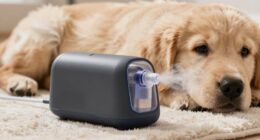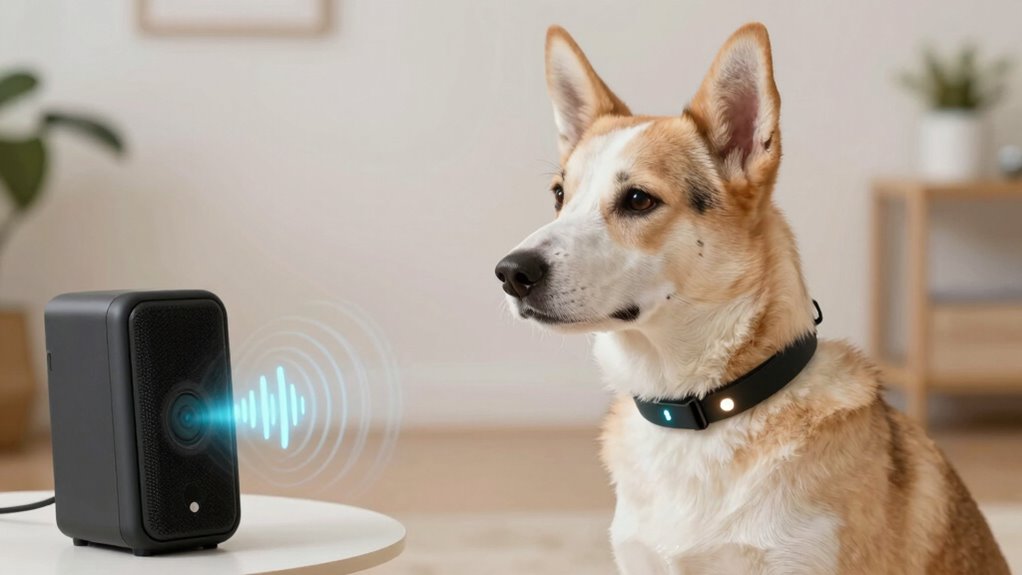
Vibration collars and sound cues can be helpful in dog training by providing non-verbal signals, especially in noisy environments or for dogs that respond well to environmental cues. However, their effectiveness varies based on your dog’s temperament and surroundings. They often don’t work as well for initial learning or complex behaviors, and overuse can cause overstimulation or confusion. To learn how to use these tools safely and effectively, keep exploring these strategies.
Key Takeaways
- Sensory tools like vibration collars and sound cues are most effective when dogs understand commands and are in distraction-free environments.
- They help reinforce behaviors but may be less effective for initial training or complex commands requiring multiple cues.
- Effectiveness varies based on the dog’s temperament; shy or anxious dogs might not respond well to these signals.
- Overstimulation or inconsistent use can cause confusion, anxiety, or desensitization, reducing their training benefits.
- Combining sensory cues with positive reinforcement and structured routines enhances humane training outcomes.
How Do Vibration Collars and Sound Cues Work in Dog Training?

Vibration collars and sound cues are popular tools in modern dog training because they provide gentle, non-verbal signals that help your dog understand commands. These tools work by delivering environmental cues that your dog can associate with specific behaviors, aiding in behavior modification. When you activate a vibration collar or sound cue, you send a clear, consistent signal that your dog learns to recognize over time. This method reduces reliance on verbal commands or physical corrections, making training more positive and less stressful. Your dog begins to understand what’s expected through these subtle signals, which can be especially helpful in distracting environments. By consistently pairing these cues with desired behaviors, you reinforce learning and promote long-term obedience. Additionally, understanding how sound cues and vibration collars influence canine behavior can help refine training strategies for better results. Incorporating sustainable and secure training tools can also enhance the overall effectiveness and ethical standards of your training regimen. Recognizing the importance of positive reinforcement in conjunction with sensory cues can further optimize training outcomes.
When Are Sensory Tools Most Effective for Training?

Sensory tools work best when you use them in appropriate training situations and consider your dog’s individual responses. Some dogs respond quickly to vibration, while others may do better with sound cues. Recognizing these factors helps you choose the right tool for effective training. Additionally, understanding the different Body jewelry measurements and materials can help you make more informed investment decisions for your financial future. Using auditory feedback therapy techniques can further enhance your training outcomes by providing real-time cues and self-monitoring, which are supported by behavioral science principles. Incorporating these methods with a clear understanding of market analysis can improve your overall training effectiveness and decision-making.
Suitable Training Situations
Knowing when to use vibration collars or sound cues can considerably boost their effectiveness during training sessions. These tools work best in situations where behavior modification relies on clear environmental cues, such as teaching a dog to stay or come when called. They’re especially useful in noisy environments where verbal commands might be missed or ignored. Sensory tools can help reinforce desired behaviors without relying solely on voice commands, making training more consistent. They’re most effective when the dog already understands the command and needs an additional cue to respond reliably in distraction-heavy settings. However, they aren’t ideal for initial learning or complex behaviors requiring multiple cues. Use them selectively to reinforce environmental cues and support your training goals.
Individual Dog Responses
These tools are most effective when used with dogs that respond well to environmental cues and can distinguish between different types of signals. If your dog shows clear emotional responses to cues and remains calm, sensory tools can enhance training. However, if your dog easily experiences sensory overload, these tools might trigger stress or confusion, hindering progress. Recognize your dog’s individual responses by observing their reactions to stimuli. Understanding training techniques can help tailor approaches to each dog’s needs.
What Are the Limitations of Vibration Collars and Sound Cues?

While vibration collars and sound cues can be effective training tools, they have notable limitations that can affect their reliability. Your dog’s temperament plays a significant role; shy or anxious dogs may not respond well, while overly excited dogs might ignore the signals altogether. Environmental factors also influence effectiveness—loud noises, distractions, or chaotic surroundings can drown out cues or cause confusion. Additionally, some dogs may become desensitized over time, reducing the tools’ impact. It’s important to remember that these sensory tools don’t work equally for all dogs, and their success depends on individual traits and the environment. Understanding canine temperament is crucial for predicting how your dog might respond to sensory cues. Recognizing that sensory processing issues vary among dogs can help set realistic expectations. Proper training methods should incorporate an awareness of these limitations to ensure a balanced approach. Relying solely on these methods without considering these limitations can hinder training progress and lead to frustration.
How Can You Tell If a Sensory Tool Isn’t Working for Your Dog?

If your dog isn’t responding to vibration collars or sound cues as expected, it’s important to observe their behavior closely. Look for signs of confusion or frustration, such as repeated barking, pawing, or ignoring commands. These may indicate that the sensory tool isn’t effective or is causing sensory overstimulation. If your dog seems anxious or overwhelmed during training, it’s a sign that the device may be too intense or not suited for their sensitivity. Additionally, if your dog’s behavior doesn’t improve over time, or they become withdrawn or agitated, it’s a clear indication that the tool isn’t working as intended. Recognizing these signs helps you determine when to adjust your approach or try different training methods better suited to your dog’s needs. Understanding sensory processing can also help tailor training strategies that accommodate your dog’s individual responses, especially when considering training aids that may or may not match their sensory thresholds.
Common Mistakes to Avoid When Using Sensory Training Devices

One common mistake is not properly calibrating your device, which can lead to ineffective training or discomfort for your dog. You also want to avoid overstimulating your dog, as too much sensory input can cause stress or confusion. Ultimately, inconsistent training protocols can undermine progress, so it’s important to stay steady and clear with your approach. Recognizing the importance of ethical implications in sensory device use can help ensure responsible training practices.
Proper Device Calibration
Proper device calibration is crucial to guarantee sensory training devices work effectively and safely. If you skip calibration or use incorrect techniques, you risk compromising device durability and performance. Regular calibration ensures the device responds accurately to the intended stimuli, preventing overstimulation or underperformance. Use proper calibration techniques by following manufacturer instructions carefully, adjusting sensitivity settings gradually. Avoid rushing this step, as improper calibration can lead to inconsistent responses or damage to the device over time. Remember, well-calibrated devices deliver consistent cues, which is essential for effective training. Taking the time to calibrate correctly not only preserves the device’s longevity but also enhances your training outcomes, ensuring safety and reliability every time you use the sensory tool. Additionally, understanding the importance of device calibration can help you troubleshoot issues and maintain optimal performance over time. Being aware of calibration techniques can also help prevent common mistakes that may affect device accuracy and lifespan.
Avoid Overstimulation Risks
Even with well-calibrated devices, it’s easy to inadvertently cause overstimulation during training sessions. Pushing your dog too hard or using devices too frequently can lead to sensory overload, making training less effective and stressful for your pet. Overstimulation risks include confusion, anxiety, or even avoidance behaviors, which hinder progress. To minimize these risks, pay close attention to your dog’s responses—if they seem overwhelmed, reduce the intensity or duration of stimuli. Avoid using sensory tools as the sole focus of your training, and always balance their use with breaks and positive reinforcement. Using appropriate training techniques can further help prevent overstimulation and promote better learning outcomes. Additionally, understanding your dog’s individual sensitivities and thresholds is crucial to customizing a balanced training approach.
Consistent Training Protocols
Inconsistent use of sensory training devices can undermine progress and cause confusion for your dog. To ensure effective behavior modification and environmental enrichment, establish a consistent training protocol. Use the same cues, timing, and device settings across sessions, so your dog understands what’s expected. Avoid sporadic application, which can lead to mixed signals and hinder learning. Incorporate sensory tools as part of a structured plan rather than a random addition, helping your dog form clear associations. Regularity helps build trust and confidence, making training more efficient. Remember, patience and consistency are key to achieving long-term behavioral improvements. By maintaining a steady approach, you’ll foster a positive environment where your dog feels secure and motivated to learn. Consistency in training is essential for reinforcing positive behaviors and ensuring your dog’s success. Additionally, understanding the effectiveness of sensory cues can guide you in choosing the right tools for your dog’s specific needs. Using tools supported by research enhances predictive validity, making your training efforts more reliable and effective. Recognizing the importance of self-sufficiency in training tools ensures you are prepared for any scenario, which can further improve your training outcomes.
What Are Better Alternatives to Sensory Tools for Humane Dog Training?

If you’re looking for more humane ways to train your dog, there are effective alternatives to sensory tools like vibration collars and sound cues. Positive reinforcement is a proven method that encourages desired behaviors by rewarding your dog with treats, praise, or play. This approach fosters trust and strengthens your bond. Behavioral modification techniques focus on understanding the root of unwanted behaviors and addressing them through consistent, gentle training. Instead of relying on discomfort or discomfort-inducing stimuli, you guide your dog with clear, calm communication and rewards. This method not only promotes quicker learning but also ensures your dog feels safe and respected throughout training. Additionally, incorporating training consistency into your strategies can help address various behavioral issues effectively. Overall, positive reinforcement and behavioral modification create a humane, effective framework for long-term obedience.
How Can You Combine Sensory Tools With Other Training Methods?

Combining sensory tools with positive training methods can enhance your dog’s learning experience while maintaining a humane approach. To do this effectively, integrate these tools with techniques like positive reinforcement and environmental enrichment. Here are four ways to combine them:
Enhance your dog’s training by blending sensory tools with positive, humane methods for better learning and well-being.
- Use sensory cues to signal desired behaviors, then reward with treats or praise.
- Pair vibration or sound cues with engaging activities to keep your dog motivated.
- Incorporate environmental enrichment, such as puzzle toys, to reinforce learning in varied settings.
- Gradually reduce reliance on sensory tools as your dog associates cues with positive outcomes.
This approach helps your dog understand commands clearly while keeping training enjoyable and humane. Combining these methods supports a balanced, effective training routine that nurtures your dog’s mental and physical well-being.
Which Sensory Tool Is Right for Your Dog: Vibration Collars or Sound Cues?

Choosing between vibration collars and sound cues depends on your dog’s temperament and training needs. If your dog responds well to subtle sensory signals, a vibration collar may enhance behavior modification by providing a gentle, low-distraction cue. It’s especially useful for dogs with sensory integration issues or those easily overwhelmed by noise. Conversely, sound cues work better if your dog is more responsive to auditory signals and can distinguish between different tones or commands. Consider your dog’s sensitivity, focus, and past reactions when selecting a tool. Both options can support behavior modification, but the key is matching the sensory tool to your dog’s unique profile. Properly select ensures effective training and minimizes frustration for both of you.
How to Use Vibration Collars and Sound Cues Safely and Ethically

Using vibration collars and sound cues can be effective tools for training your dog, but it’s essential to guarantee safety and ethics. To ensure positive outcomes in dog behavior and maintain training ethics, follow these guidelines:
- Always use these tools as part of positive reinforcement, never as punishment.
- Start with the lowest intensity or volume, gradually increasing if needed.
- Monitor your dog’s reactions closely; stop if signs of stress or discomfort appear.
- Consult a professional trainer to ensure proper timing and appropriate use.
Frequently Asked Questions
Are Vibration Collars Safe for All Dog Breeds and Ages?
Vibration collars aren’t safe for all dog breeds and ages. Breed considerations matter—some breeds may be more sensitive or prone to stress. Age-related safety is also vital; puppies and senior dogs can react differently, possibly experiencing discomfort or harm. Always consult your veterinarian before using a vibration collar, especially if your dog is young, old, or has health issues. Proper supervision and fitting are essential to guarantee your dog’s well-being.
How Long Should Training Sessions With Sensory Tools Last?
You should keep training sessions with sensory tools brief, typically around 5 to 10 minutes, following duration guidelines to prevent overstimulation. Use session frequency wisely, aiming for multiple short sessions rather than one long one, to reinforce learning without causing frustration. Always observe your dog’s responses and adjust the duration and frequency accordingly, ensuring each session remains positive and effective.
Can Sensory Tools Replace Traditional Positive Reinforcement Methods?
Sensory tools can’t fully replace traditional positive reinforcement because they mainly aid behavior modification, especially for dogs sensitive to sensory overload. While vibrations or sounds can get your pet’s attention or calm them, they lack the motivational aspect of treats or praise. Use sensory tools as supplements, not substitutes, to reinforce good behavior effectively. Combining both methods creates balanced training that addresses your pet’s unique needs.
What Signs Indicate Overstimulation From Sensory Devices?
You’ll notice behavioral signs like withdrawal, agitation, or repeated attempts to escape when overstimulated by sensory devices. Physical reactions such as trembling, lip licking, or yawning can also signal overload. If your animal becomes overly restless or shows signs of discomfort, it’s a clear indication that the sensory input is too intense. Pay close attention to these cues to prevent stress and adjust the device’s intensity or duration accordingly.
How Do Sensory Tools Affect Dogs With Hearing or Sensory Impairments?
You should be cautious when using sensory tools with dogs having hearing or sensory impairments. These devices can affect their auditory processing, potentially causing confusion or sensory overload. Instead of relying on sound cues, focus on visual or tactile signals that better match their abilities. By adapting your approach, you help prevent overstimulation and support your dog’s comfort and understanding during training or calming routines.
Conclusion
While sensory tools like vibration collars and sound cues can aid training, they’re not magic solutions. Some believe these tools replace traditional methods, but research suggests they’re most effective when combined with positive reinforcement and patience. Remember, every dog is unique—what works for one may not work for another. Trust your instincts, stay ethical, and always prioritize your dog’s well-being to create a truly effective and humane training experience.