
TL;DR
Search interest in clinical pet wipes is increasing as pet owners seek ways to protect their animals from urban pollution. Experts suggest these wipes can help reduce exposure to harmful environmental factors, though full efficacy remains under study.
Interest in clinical pet wipes as a tool to protect pets from urban pollution is rising, according to recent trend signals. Pet Friendly Services Urges Indiana Pet Owners To Protect Pets During Extreme Heat While there is no official endorsement from veterinary authorities, many pet owners and some industry sources suggest these wipes can help reduce exposure to environmental contaminants, which is increasingly relevant in densely populated areas.

Get pet supplies delivered free with Prime
- Fast, free delivery on millions of items
- Prime Video, Amazon Music and more included
- Member-only deals all year
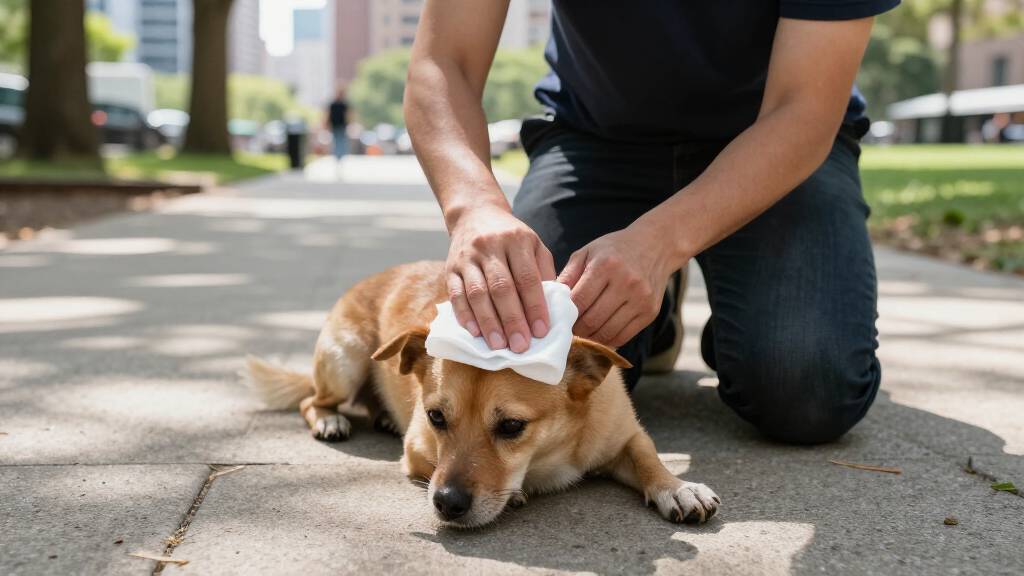
Recent data indicates a spike in online searches and social media discussions around clinical pet wipes. These products are designed to be gentle yet effective in cleaning pets’ fur and skin, removing dirt, pollutants, and potential toxins accumulated from urban environments. Experts note that urban pollution — including vehicle emissions, particulate matter, and chemical residues — can adversely affect pets’ respiratory and skin health. Learn more about protecting pets from environmental hazards at our pet care resources.
Veterinary professionals emphasize that while clinical pet wipes are not a substitute for outdoor supervision or medical treatment, they may serve as a supplementary hygiene measure. For more tips on pet safety during extreme weather, visit our pet safety guide. Some pet owners report using these wipes after walks or outdoor play to mitigate pollutant exposure. However, comprehensive scientific studies on their efficacy in pollution protection are still limited, and industry claims vary.
Potential Impact of Pet Wipes on Urban Pet Health
The rising interest in clinical pet wipes reflects a broader concern about urban environmental hazards and their impact on pet health. If proven effective, these products could become a simple, accessible way for pet owners to reduce exposure to harmful pollutants, thereby potentially decreasing respiratory issues, skin irritations, and other health problems linked to environmental toxins. This trend underscores the importance of hygiene products tailored for pets living in cities, where pollution levels are often higher than in rural areas.
Products Worth Considering

Shark Pet Cordless Stick Vacuum, Up to 40-Minute Runtime, Grey, IX141

PetSafe Guardian GPS 2.0 Dog Fence and Tracking Collar

PetSafe ScoopFree Crystal Pro Legacy Self-Cleaning Litter Box, Uncovered
As an affiliate, we earn on qualifying purchases.
Growing Urban Pollution and Pet Exposure Risks
Urban areas worldwide have experienced increasing pollution levels over the past decade, driven by traffic, industrial activity, and climate change. Pets, especially those that spend significant time outdoors, are exposed to pollutants similar to humans, including particulate matter, chemical residues, and airborne toxins. While there is established concern about pollution’s health effects on humans, research on pets is still emerging. The recent surge in interest around clinical pet wipes may be partly driven by this growing awareness, although definitive scientific evidence remains limited.
Scientific Evidence and Effectiveness of Pet Wipes in Pollution Protection
It is not yet clear how effective clinical pet wipes are specifically in removing or neutralizing pollutants in urban environments. While anecdotal reports and industry claims suggest benefits, rigorous scientific studies are lacking. The extent to which these wipes can reduce health risks associated with pollution remains unconfirmed, and further research is needed to substantiate their protective claims.
Research and Market Developments for Urban Pet Hygiene Products
Expect ongoing research into the efficacy of pet wipes in pollution mitigation, with potential clinical trials and scientific evaluations. Market trends indicate that manufacturers may introduce new formulations aimed at enhancing protective qualities. Pet owners are advised to consult veterinary professionals for guidance on hygiene practices, and regulatory agencies may evaluate claims as demand grows.
Key Questions
Are clinical pet wipes proven to protect pets from pollution?
Currently, there is limited scientific evidence confirming their protective effects. They may help remove surface pollutants but are not a guaranteed safeguard against environmental toxins.
How should I use pet wipes for urban pollution protection?
Use wipes after outdoor activities, especially in high-pollution areas, to clean your pet’s fur and skin. Follow product instructions and consult your veterinarian for personalized advice.
Can pet wipes replace other pollution mitigation measures?
No, wipes should complement other practices such as avoiding peak pollution times, outdoor supervision, and regular veterinary checkups. They are not a substitute for comprehensive health strategies.
Are there risks associated with using pet wipes frequently?
Overuse or using products not designed for pets can cause skin irritation. Always choose wipes formulated for animals and follow usage guidelines.
Source: rss